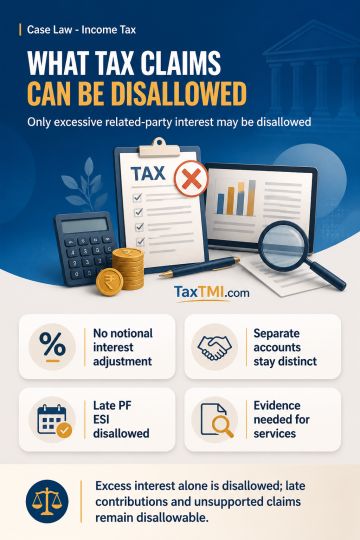
Approved resolution plans extinguish unsubmitted pre-approval tax claims, preventing later recovery outside the insolvency process and preserving a cl...
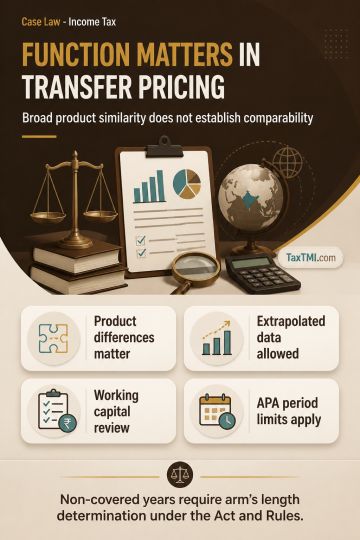
Transfer pricing comparability requires functional alignment and permits working capital adjustment, while APA margins cannot govern non-covered years...
Treaty benefit, goodwill depreciation and hedging costs: export commission disallowed, while key business deductions and depreciation claims succeeded...
Separate assessment orders for different assessment years may be...
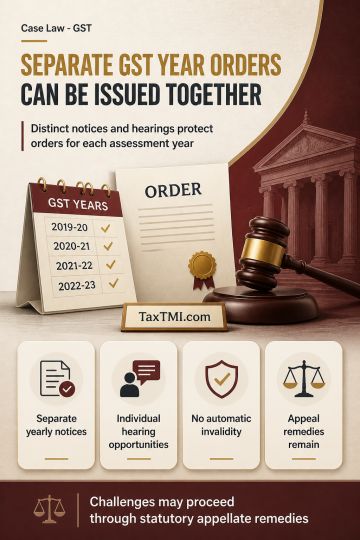
Separate assessment orders for different years remain valid when distinct notices and hearing opportunities prevent prejudice from combined proceedings
Contents
Summary
Note
Bookmark
Share
✓ Copied successfully !
Print
Print Options
For full text, please login
Login to TaxTMI
Verification Pending
The Email Id has not been verified. Click on the link we have sent on
Separate assessment orders for different assessment years may be issued simultaneously where each year is supported by a separate notice and separate opportunity to respond. The absence of a statutory prohibition means simultaneous issuance does not, by itself, invalidate the orders. The restriction on composite notices and common assessment orders is directed at preventing prejudice from combining proceedings across years, not at prohibiting coordinated issuance of distinct orders. Accordingly, simultaneous separate orders do not warrant interference, while substantive challenges remain subject to the available statutory appellate remedies.
Separate assessment orders for different assessment years may be issued simultaneously where each year is supported by a separate notice and separate opportunity to respond. The absence of a statutory prohibition means simultaneous issuance does not, by itself, invalidate the orders. The restriction on composite notices and common assessment orders is directed at preventing prejudice from combining proceedings across years, not at prohibiting coordinated issuance of distinct orders. Accordingly, simultaneous separate orders do not warrant interference, while substantive challenges remain subject to the available statutory appellate remedies.
Note: It is a system-generated summary and is for quick reference only.
 TaxTMI
 of 4784










 Join Channel


 TaxTMI