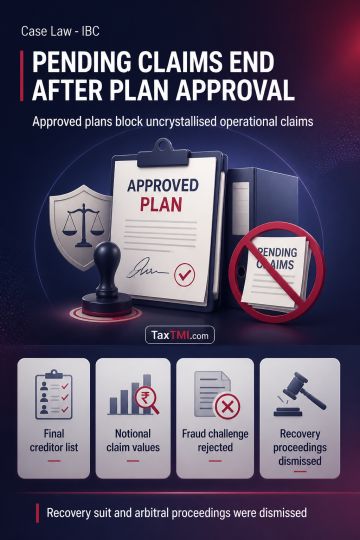
Clean slate principle extinguishes uncrystallised operational claims and bars continuation of pending recovery and arbitral proceedings after plan app...
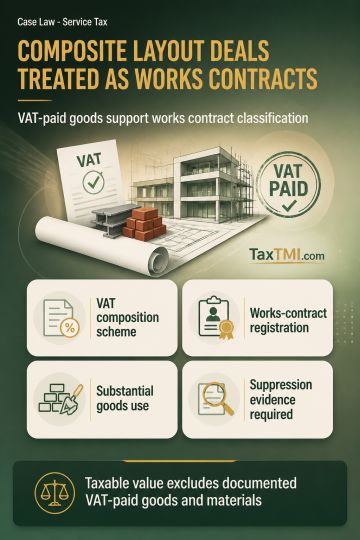
Works contract classification governs composite layout-development contracts where VAT-paid goods are transferred alongside construction and infrastru...
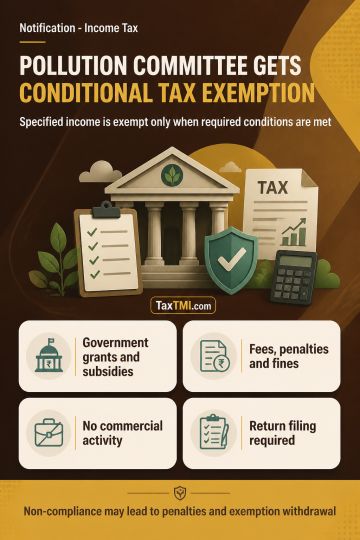
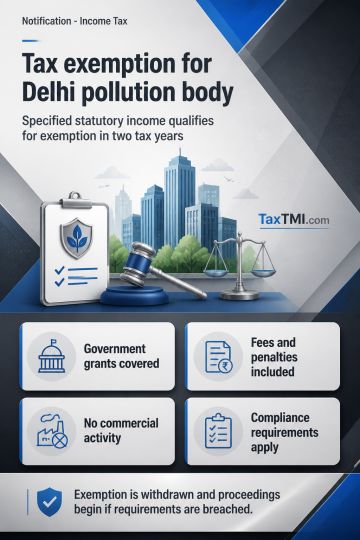
Specified income tax exemption for pollution control body remains conditional on non-commercial activity, unchanged income character, and return filin...
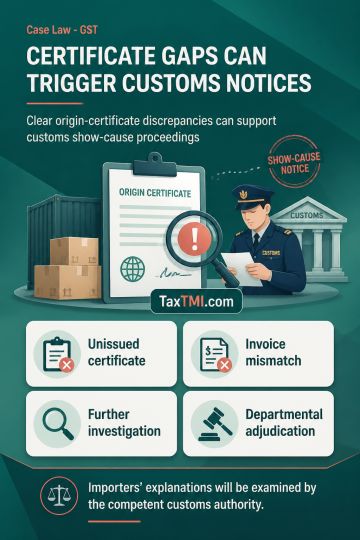
Jurisdictional facts in certificate-of-origin discrepancies can support customs show-cause proceedings, leaving factual explanations for departmental ...
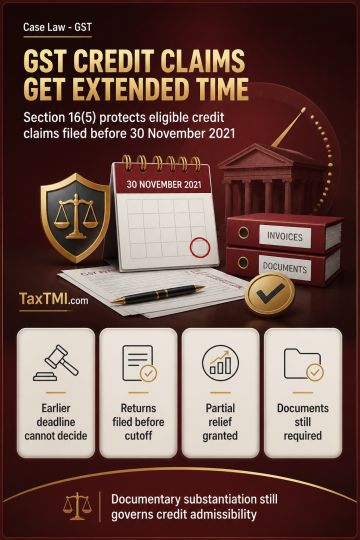
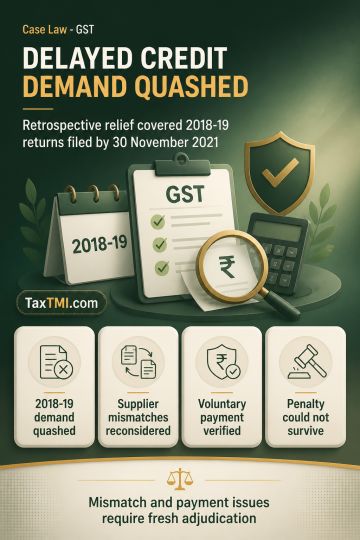
Retrospective relaxation of the time limit for claiming input tax credit under section 16(5) can remove the section 16(4) impediment where returns for the relevant period were filed by 30 November 2021; accordingly, the delayed-availment demand for 2018-19 was quashed. Alleged GST short payment and excess credit arising from supplier-return mismatches require factual reconsideration, including verification of claimed voluntary payment and asserted insolvency proceedings involving the service provider. Consequential enhanced penalty depends on the surviving demand and therefore could not be sustained while the remaining issues required fresh adjudication.
Retrospective relaxation of the time limit for claiming input tax credit under section 16(5) can remove the section 16(4) impediment where returns for the relevant period were filed by 30 November 2021; accordingly, the delayed-availment demand for 2018-19 was quashed. Alleged GST short payment and excess credit arising from supplier-return mismatches require factual reconsideration, including verification of claimed voluntary payment and asserted insolvency proceedings involving the service provider. Consequential enhanced penalty depends on the surviving demand and therefore could not be sustained while the remaining issues required fresh adjudication.
Note: It is a system-generated summary and is for quick reference only.
 TaxTMI
 of 4782




 Join Channel


 TaxTMI