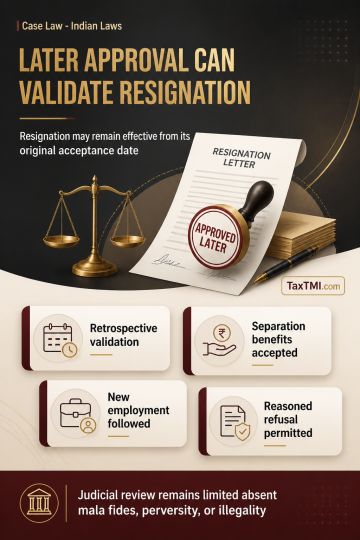
Ratification of resignation acceptance validates separation retrospectively, while withdrawal may be refused through reasoned administrative discretio...
Nature-dependent electricity contracts receive new Ind AS accounting, hedge designation, transition and financial-statement disclosure requirements fr...
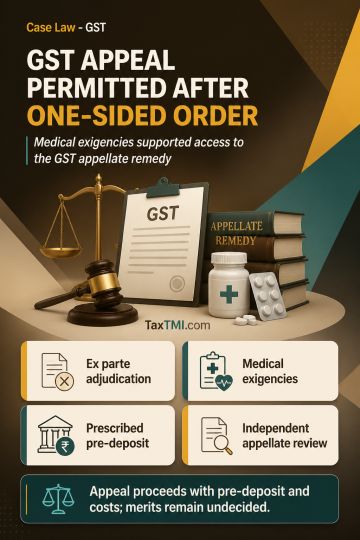
Alternative GST remedy permitted protective writ intervention for ex parte adjudication, preserving independent appellate review of input tax credit d...
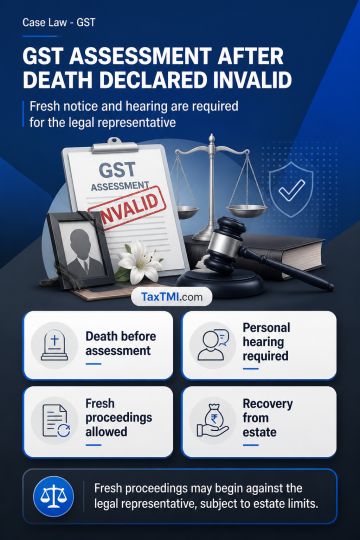
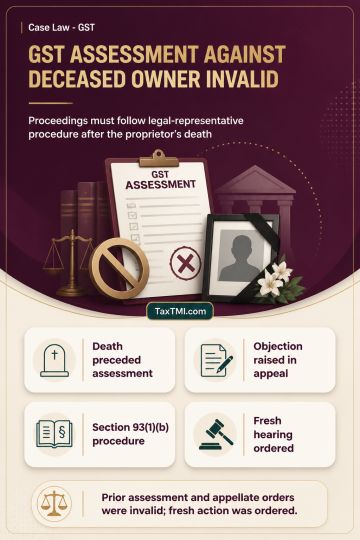
Assessment against deceased sole proprietor requires proceedings against the legal representative, rendering prior assessment and appellate orders inv...
Residential waste collection classification under SAC 999423 defeats composite-supply exemption where facilitating goods are not transferred to the lo...
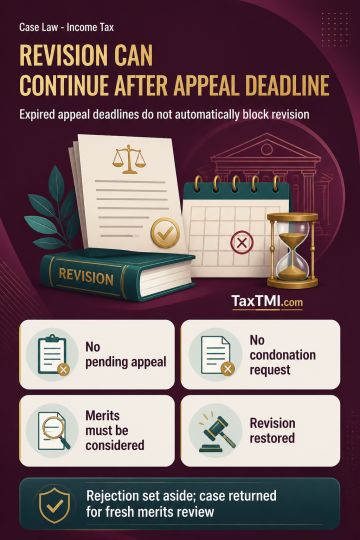
Revision under section 263 requires the assessment order to be both erroneous and prejudicial to the interests of the Revenue. The distinction between lack of inquiry and inadequate inquiry is material: where the Assessing Officer has examined relevant expenses, related-party payments, GST-exempt services, financial records, returns, GST details, TDS particulars and supplier-level material, revision cannot be based merely on a view that further verification was desirable. The revisional authority must identify an actual error from the assessment record and demonstrate resulting prejudice; it cannot order a fresh investigation without establishing both statutory conditions. The stated result was quashing of the revisionary order and allowance of the assessee's appeal.
Revision under section 263 requires the assessment order to be both erroneous and prejudicial to the interests of the Revenue. The distinction between lack of inquiry and inadequate inquiry is material: where the Assessing Officer has examined relevant expenses, related-party payments, GST-exempt services, financial records, returns, GST details, TDS particulars and supplier-level material, revision cannot be based merely on a view that further verification was desirable. The revisional authority must identify an actual error from the assessment record and demonstrate resulting prejudice; it cannot order a fresh investigation without establishing both statutory conditions. The stated result was quashing of the revisionary order and allowance of the assessee's appeal.
Note: It is a system-generated summary and is for quick reference only.
 TaxTMI
 of 4796









 Join Channel



 TaxTMI
