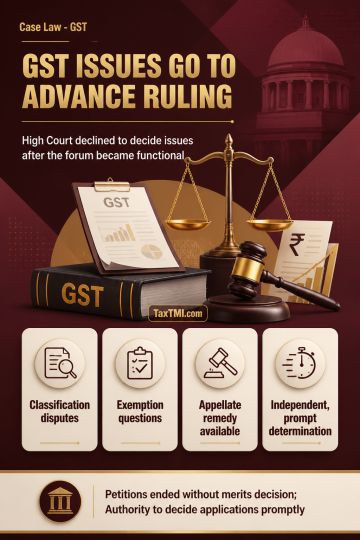
Advance-ruling mechanism governs pending GST classification, exemption and taxability disputes, limiting writ review once the specialised forum functi...
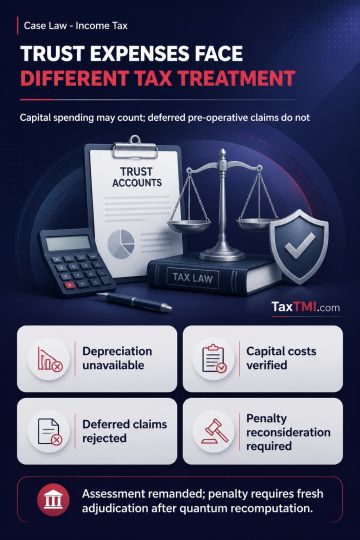
Charitable trust income application permits verified capital expenditure but rejects deferred pre-operative claims and requires reconsideration of con...
Reinsurance premium deductions require established regulatory breaches, while independently acquired software qualifies within the computer depreciati...
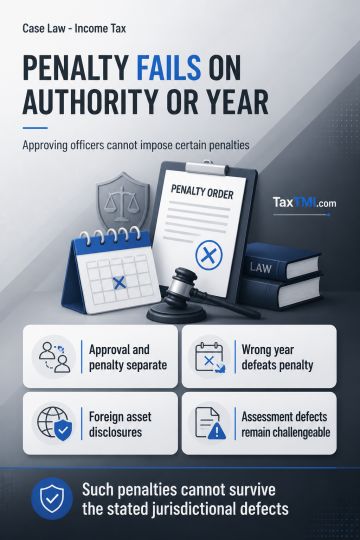
Penalty under section 271D requires the Assessing Officer to record jurisdictional satisfaction during assessment proceedings; without that satisfaction, the Joint Commissioner cannot independently initiate penalty proceedings after dropping proceedings under section 271DA, rendering the penalty without jurisdiction. The notes also explain that penalties under sections 271D and 271E remain subject to the prescribed limitation period. Where the limitation period expired before fresh proceedings were initiated, the subsequent penalty proceedings were time-barred. Accordingly, the penalties described in the source were deleted on the independent grounds of absent jurisdictional satisfaction and limitation.
Penalty under section 271D requires the Assessing Officer to record jurisdictional satisfaction during assessment proceedings; without that satisfaction, the Joint Commissioner cannot independently initiate penalty proceedings after dropping proceedings under section 271DA, rendering the penalty without jurisdiction. The notes also explain that penalties under sections 271D and 271E remain subject to the prescribed limitation period. Where the limitation period expired before fresh proceedings were initiated, the subsequent penalty proceedings were time-barred. Accordingly, the penalties described in the source were deleted on the independent grounds of absent jurisdictional satisfaction and limitation.
Note: It is a system-generated summary and is for quick reference only.
 TaxTMI
 of 4784











 Join Channel



 TaxTMI