Defined public benefit can retain charitable character; registration renewal requires examining genuine activities and legal compliance, not surplus a...
Capital reduction is distinct from share buy-back, preventing buy-back tax; restructuring interest and related business deductions also survive scruti...
Transfer pricing and tax deductions upheld on established principles, while employee contributions and warranty provisions returned for fresh examinat...
Captive transfer pricing relies on industrial consumer tariffs, while genuine quotations can benchmark effluent treatment transfers under the Other Me...
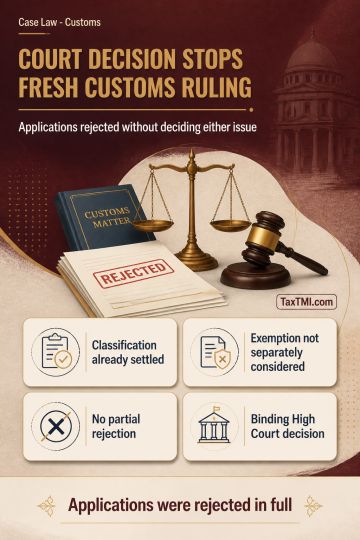
Specific tariff classification for ophthalmic instruments and extended limitation principles determine the treatment of duty demands, confiscation, an...
Integrated golf function determines classification, placing launch monitors and simulators under other golf equipment rather than measuring instrument...
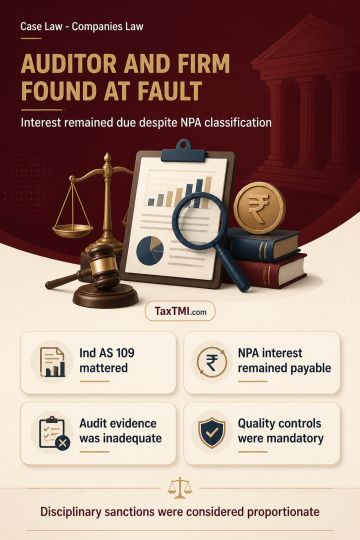
Non-recognition of interest on borrowings classified as NPAs was inconsistent with Ind AS 109 because RBI income-recognition norms for lenders did not extinguish the borrower's contractual liability, and an unaccepted, undocumented One-Time Settlement proposal could not replace contractual cash flows. Inadequate professional scepticism, audit evidence and documentation supported misconduct findings against the engagement partner, while the material and pervasive misstatement required consideration of a qualified or adverse opinion rather than an unmodified opinion. Engagement quality control review and applicable Standards on Auditing were mandatory for the listed-entity audit. The audit firm incurred independent quality-control liability under SQC 1; separate proceedings were not barred by double jeopardy, and the disciplinary sanctions were considered proportionate.
Non-recognition of interest on borrowings classified as NPAs was inconsistent with Ind AS 109 because RBI income-recognition norms for lenders did not extinguish the borrower's contractual liability, and an unaccepted, undocumented One-Time Settlement proposal could not replace contractual cash flows. Inadequate professional scepticism, audit evidence and documentation supported misconduct findings against the engagement partner, while the material and pervasive misstatement required consideration of a qualified or adverse opinion rather than an unmodified opinion. Engagement quality control review and applicable Standards on Auditing were mandatory for the listed-entity audit. The audit firm incurred independent quality-control liability under SQC 1; separate proceedings were not barred by double jeopardy, and the disciplinary sanctions were considered proportionate.
Note: It is a system-generated summary and is for quick reference only.
 TaxTMI
 of 4782






















 Join Channel


 TaxTMI
