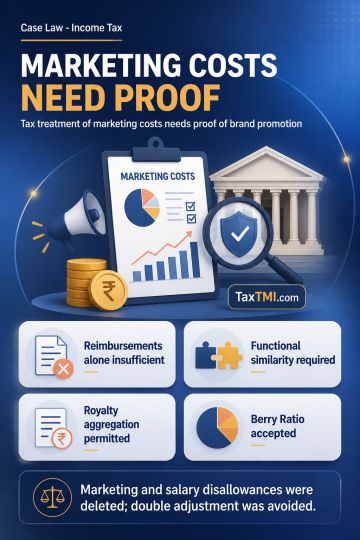
Transfer pricing requires evidence for AMP transactions, functionally reliable comparables, and appropriate aggregation or Berry Ratio benchmarking me...
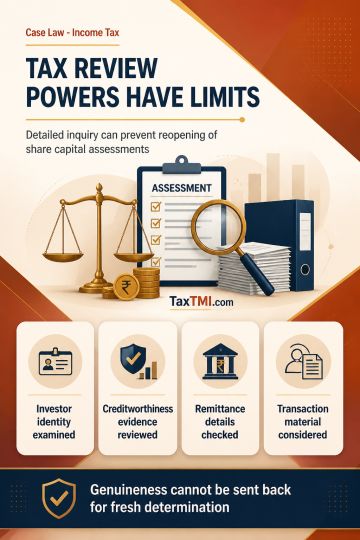
Revisionary jurisdiction cannot reopen share capital assessments where adequate inquiry supports a permissible view and no independent error is establ...
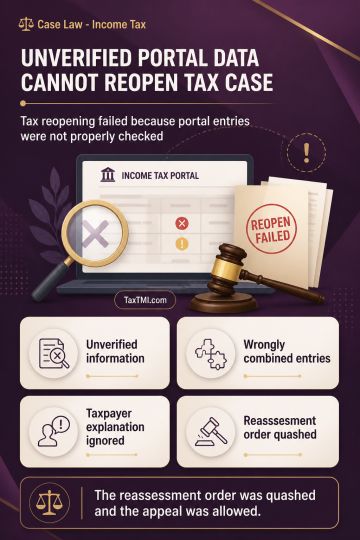
Reassessment jurisdiction fails where unverified portal information is aggregated without examining the taxpayer's explanation or relevance of entries...
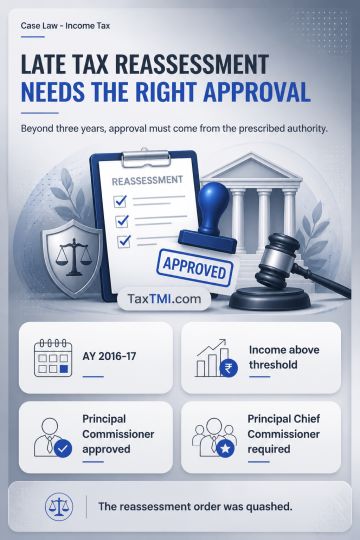
Statutory sanction for delayed reassessment requires approval from the prescribed authority; approval by an inferior authority invalidates jurisdictio...
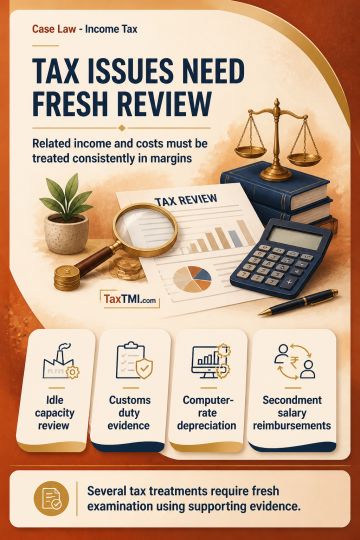
Transfer pricing margin adjustments require matching treatment of non-operating income and related costs, with comparability issues reconsidered on ev...
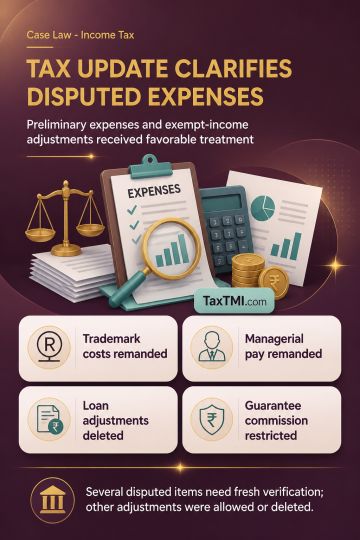
Preliminary-expense amortisation and MAT exempt-income adjustments prevailed, while trademark costs and managerial remuneration require fresh verifica...
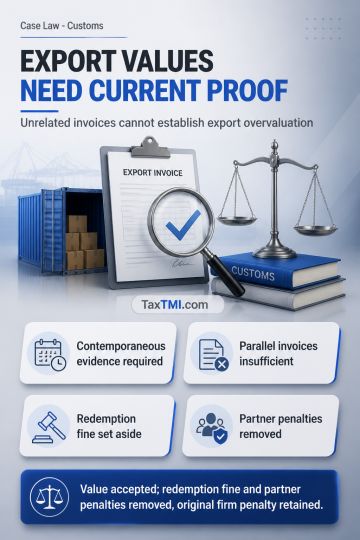
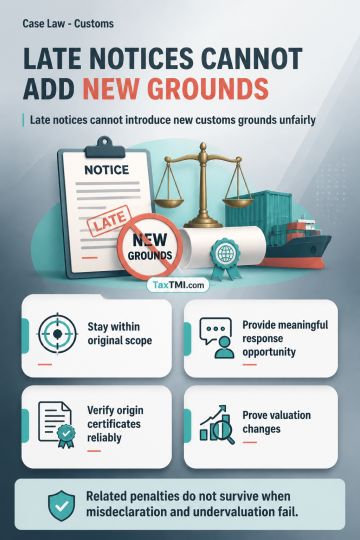
Export valuation requires contemporaneous evidence; unrelated invoices cannot prove overvaluation, and dual penalties on firm and partner are impermis...
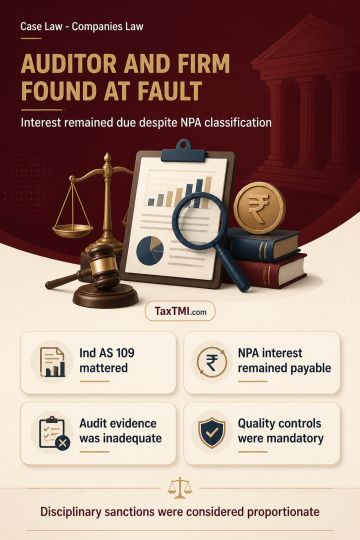
Non-recognition of interest on borrowings classified as NPAs was inconsistent with Ind AS 109 because RBI income-recognition norms for lenders did not extinguish the borrower's contractual liability, and an unaccepted, undocumented One-Time Settlement proposal could not replace contractual cash flows. Inadequate professional scepticism, audit evidence and documentation supported misconduct findings against the engagement partner, while the material and pervasive misstatement required consideration of a qualified or adverse opinion rather than an unmodified opinion. Engagement quality control review and applicable Standards on Auditing were mandatory for the listed-entity audit. The audit firm incurred independent quality-control liability under SQC 1; separate proceedings were not barred by double jeopardy, and the disciplinary sanctions were considered proportionate.
Non-recognition of interest on borrowings classified as NPAs was inconsistent with Ind AS 109 because RBI income-recognition norms for lenders did not extinguish the borrower's contractual liability, and an unaccepted, undocumented One-Time Settlement proposal could not replace contractual cash flows. Inadequate professional scepticism, audit evidence and documentation supported misconduct findings against the engagement partner, while the material and pervasive misstatement required consideration of a qualified or adverse opinion rather than an unmodified opinion. Engagement quality control review and applicable Standards on Auditing were mandatory for the listed-entity audit. The audit firm incurred independent quality-control liability under SQC 1; separate proceedings were not barred by double jeopardy, and the disciplinary sanctions were considered proportionate.
Note: It is a system-generated summary and is for quick reference only.
 TaxTMI
 of 4796





 Join Channel


 TaxTMI
