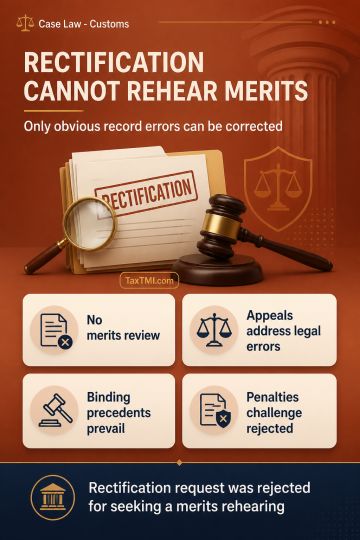
Rectification of mistake remains limited to self-evident record errors, preventing merits review through miscellaneous applications and preserving fin...
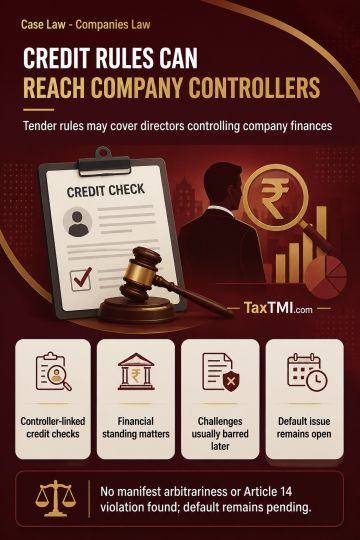
Tender creditworthiness conditions may extend to de facto Promoter Directors, with post-participation challenges generally barred absent arbitrariness...
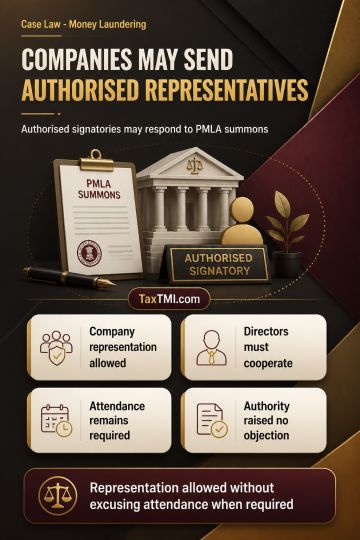
Corporate representation in PMLA summons proceedings permitted through an authorised signatory, subject to directors' continuing cooperation and atten...
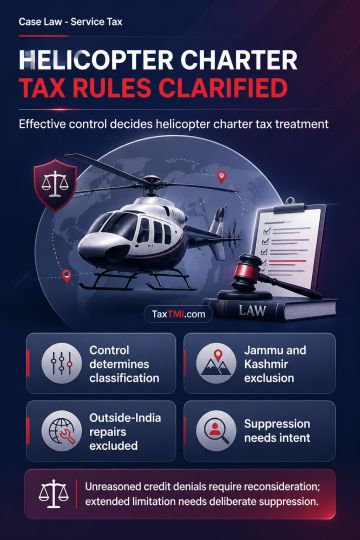
Helicopter charter classification requires effective control analysis, while territorial performance, reasoned credit orders and wilful suppression de...
Specified fund definition expands PAN exemption eligibility for registered alternative investment funds and qualifying International Financial Service...
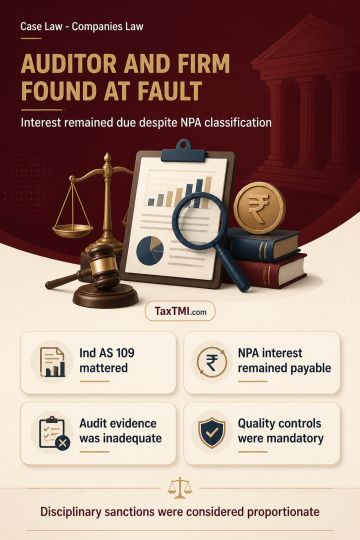
Non-recognition of interest on borrowings classified as NPAs was inconsistent with Ind AS 109 because RBI income-recognition norms for lenders did not extinguish the borrower's contractual liability, and an unaccepted, undocumented One-Time Settlement proposal could not replace contractual cash flows. Inadequate professional scepticism, audit evidence and documentation supported misconduct findings against the engagement partner, while the material and pervasive misstatement required consideration of a qualified or adverse opinion rather than an unmodified opinion. Engagement quality control review and applicable Standards on Auditing were mandatory for the listed-entity audit. The audit firm incurred independent quality-control liability under SQC 1; separate proceedings were not barred by double jeopardy, and the disciplinary sanctions were considered proportionate.
Non-recognition of interest on borrowings classified as NPAs was inconsistent with Ind AS 109 because RBI income-recognition norms for lenders did not extinguish the borrower's contractual liability, and an unaccepted, undocumented One-Time Settlement proposal could not replace contractual cash flows. Inadequate professional scepticism, audit evidence and documentation supported misconduct findings against the engagement partner, while the material and pervasive misstatement required consideration of a qualified or adverse opinion rather than an unmodified opinion. Engagement quality control review and applicable Standards on Auditing were mandatory for the listed-entity audit. The audit firm incurred independent quality-control liability under SQC 1; separate proceedings were not barred by double jeopardy, and the disciplinary sanctions were considered proportionate.
Note: It is a system-generated summary and is for quick reference only.
 TaxTMI
 of 4786









 Join Channel


 TaxTMI
