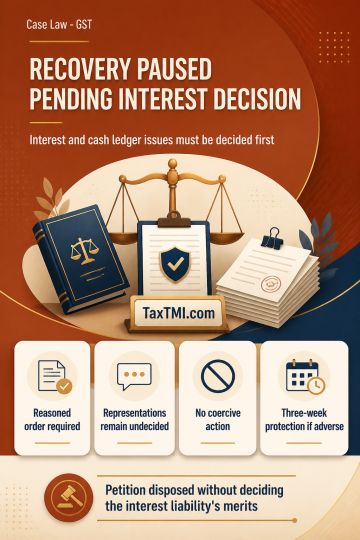
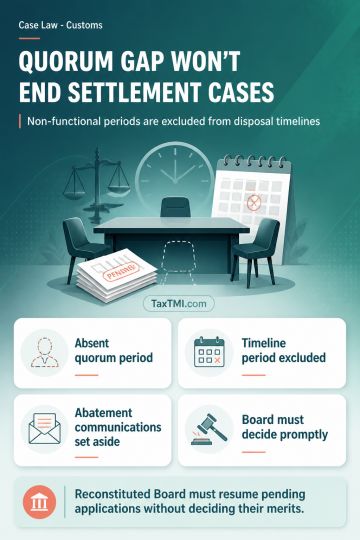
Institutional incapacity in customs settlement proceedings excludes non-functional quorum periods from statutory disposal timelines, preventing automa...
Interactive touchscreen panels with integrated computing functions fall under automatic data-processing machines rather than display monitors for cust...
Ex parte injunction service requirements were substantially met, while civil recovery and SFIO investigation into provident fund defalcation continued...
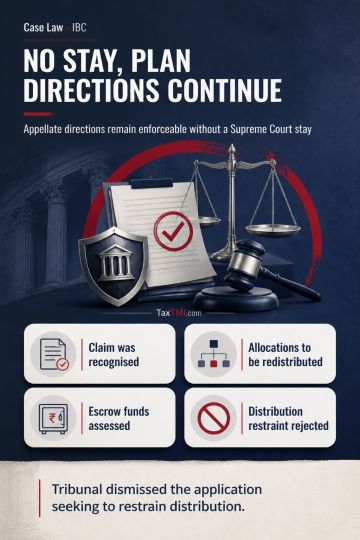
Enforcement of resolution-plan directions continues without a Supreme Court stay, preventing suspension of redistribution and escrowed-fund distributi...
Third-party ownership claims over attached property require Special Court adjudication where purchasers lack registered sale deeds and bona fides rema...
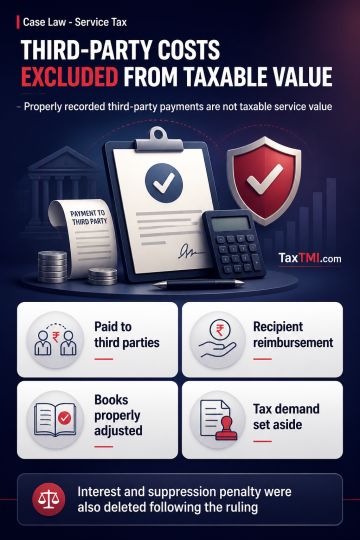
Pure-agent reimbursements in clearing and forwarding services are excluded from taxable value when qualifying third-party payments are properly record...
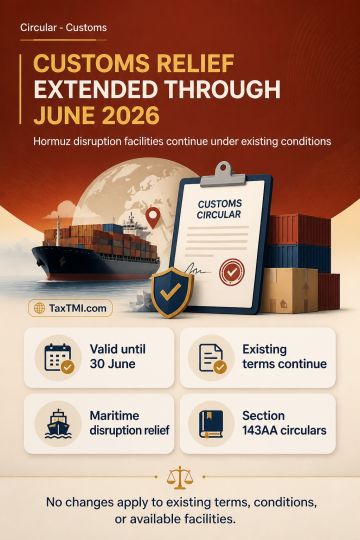
Customs relief for Strait of Hormuz maritime disruptions remains available, with existing conditions continuing unchanged through the extended validit...
Section 2(c)(viii) read with Section 2(b) of the Prevention of...
Public servant status under anti-corruption law extends to recognised stock exchange leadership; constitutional and sanction challenges do not succeed preliminarily
Contents
Summary
Note
Bookmark
Share
✓ Copied successfully !
Print
Print Options
For full text, please login
Login to TaxTMI
Verification Pending
The Email Id has not been verified. Click on the link we have sent on
Section 2(c)(viii) read with Section 2(b) of the Prevention of Corruption Act, 1988 is described as constitutionally valid because it contains ascertainable requirements: a person must hold an office and, by virtue of it, be authorised or required to perform a public duty. The statutory concept of public servant is to be construed purposively and broadly to address corruption beyond government departments. A recognised stock exchange operates within a statutory framework serving investor protection and public interest, and its Managing Director and CEO may therefore fall within the definition. Whether the individual performed relevant public functions remains a mixed question of fact and law. A sanction caveat leaving the legal issue open did not invalidate the sanction, and quashing was considered inappropriate before trial.
Section 2(c)(viii) read with Section 2(b) of the Prevention of Corruption Act, 1988 is described as constitutionally valid because it contains ascertainable requirements: a person must hold an office and, by virtue of it, be authorised or required to perform a public duty. The statutory concept of public servant is to be construed purposively and broadly to address corruption beyond government departments. A recognised stock exchange operates within a statutory framework serving investor protection and public interest, and its Managing Director and CEO may therefore fall within the definition. Whether the individual performed relevant public functions remains a mixed question of fact and law. A sanction caveat leaving the legal issue open did not invalidate the sanction, and quashing was considered inappropriate before trial.
Note: It is a system-generated summary and is for quick reference only.
 TaxTMI
 of 4792










 Join Channel



 TaxTMI