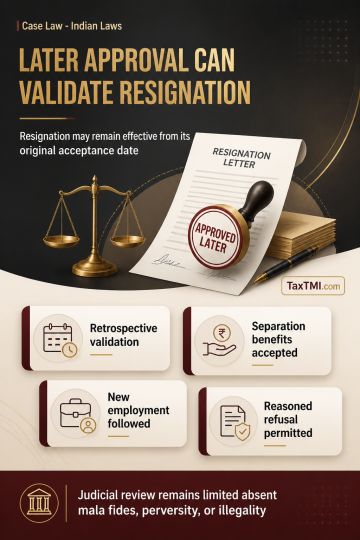
Ratification of resignation acceptance validates separation retrospectively, while withdrawal may be refused through reasoned administrative discretio...
Nature-dependent electricity contracts receive new Ind AS accounting, hedge designation, transition and financial-statement disclosure requirements fr...
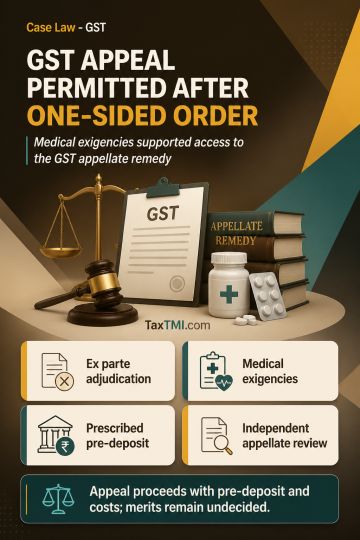
Alternative GST remedy permitted protective writ intervention for ex parte adjudication, preserving independent appellate review of input tax credit d...
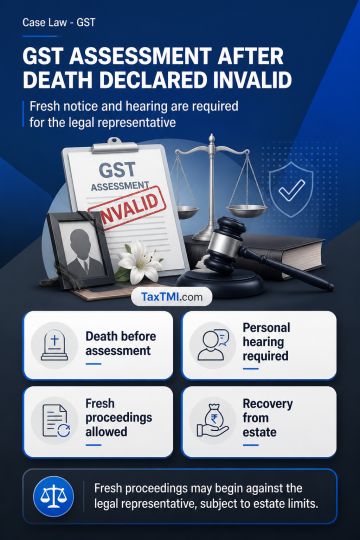
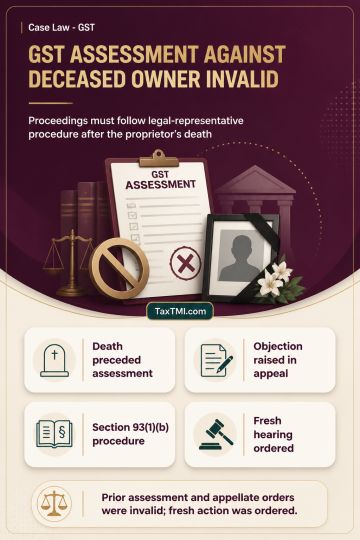
Assessment against deceased sole proprietor requires proceedings against the legal representative, rendering prior assessment and appellate orders inv...
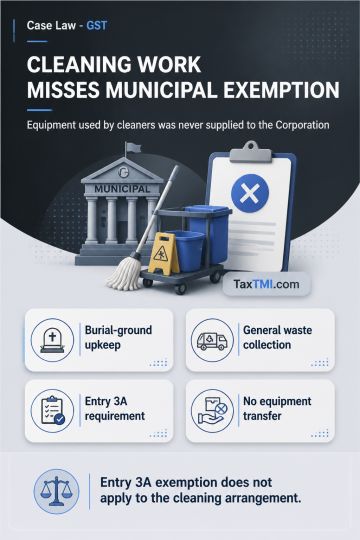
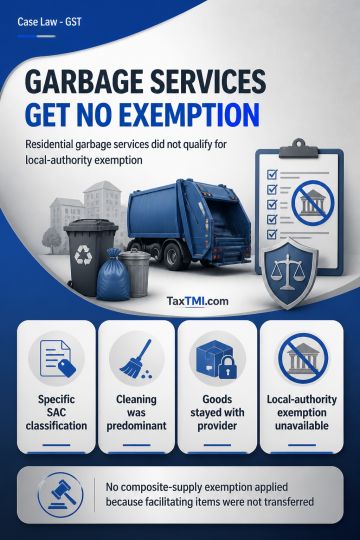
Residential waste collection classification under SAC 999423 defeats composite-supply exemption where facilitating goods are not transferred to the lo...
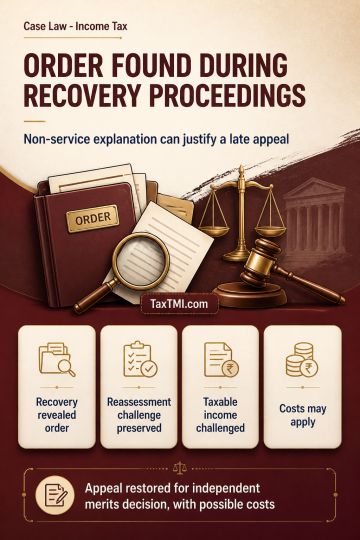
Condonation of delay permits statutory appeal restoration where inadequate service explanation prevented consideration of reassessment and taxable-inc...
Page of 4794
Press 'Enter' after typing page number.
41 to 60 of 95875 Results
❮
❯
❯❯
0 / 200
Expand Note
Add to Folder
No Folders have been created
+
Are you sure you want to delete "My most important" ?
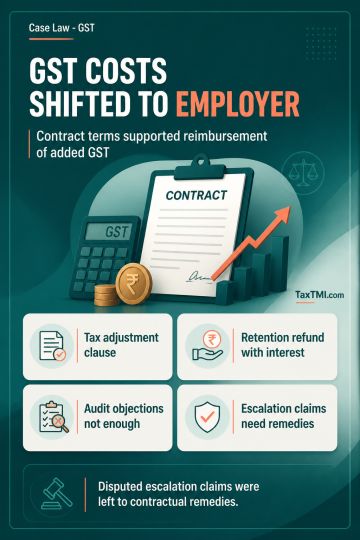
Clause 43.2 requires contract-price adjustment where taxes, duties or levies change during contract execution and the change is not already reflected in the price. Accordingly, GST introduced during subsisting works contracts shifted the additional tax burden to the employer, supported by the contractual terms and the applicable Government Order, and the tax component was directed to be reimbursed. Retention amounts could not be withheld merely because audit objections remained pending; they were to be refunded with commercial-rate interest unless appropriation was otherwise justified. Claims for price escalation or adjustment involving disputed facts were not determined in writ proceedings and were left to the contractual dispute-resolution mechanism and other remedies.
Clause 43.2 requires contract-price adjustment where taxes, duties or levies change during contract execution and the change is not already reflected in the price. Accordingly, GST introduced during subsisting works contracts shifted the additional tax burden to the employer, supported by the contractual terms and the applicable Government Order, and the tax component was directed to be reimbursed. Retention amounts could not be withheld merely because audit objections remained pending; they were to be refunded with commercial-rate interest unless appropriation was otherwise justified. Claims for price escalation or adjustment involving disputed facts were not determined in writ proceedings and were left to the contractual dispute-resolution mechanism and other remedies.
Note: It is a system-generated summary and is for quick reference only.
 TaxTMI
 of 4794






 Join Channel


 TaxTMI