Transfer pricing requires evidence for AMP transactions, functionally reliable comparables, and appropriate aggregation or Berry Ratio benchmarking me...
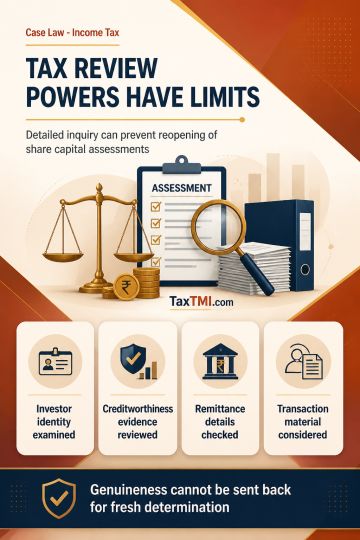
Revisionary jurisdiction cannot reopen share capital assessments where adequate inquiry supports a permissible view and no independent error is establ...
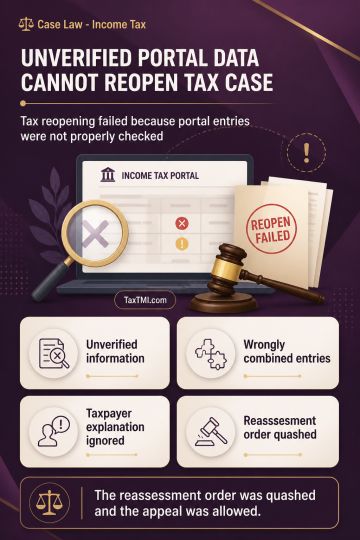
Reassessment jurisdiction fails where unverified portal information is aggregated without examining the taxpayer's explanation or relevance of entries...
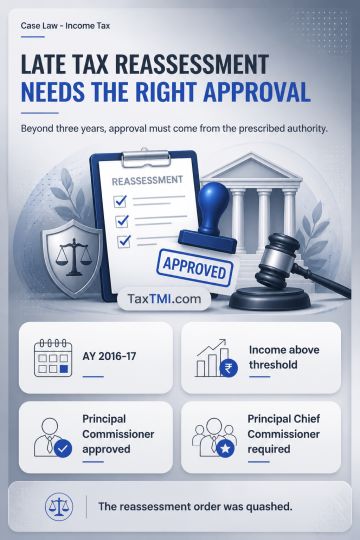
Statutory sanction for delayed reassessment requires approval from the prescribed authority; approval by an inferior authority invalidates jurisdictio...
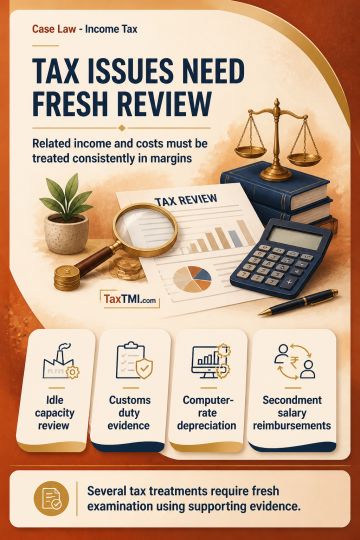
Transfer pricing margin adjustments require matching treatment of non-operating income and related costs, with comparability issues reconsidered on ev...
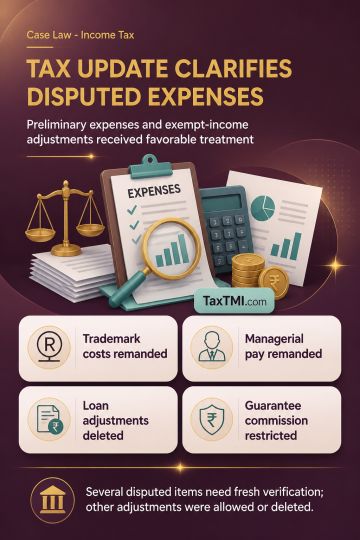
Preliminary-expense amortisation and MAT exempt-income adjustments prevailed, while trademark costs and managerial remuneration require fresh verifica...
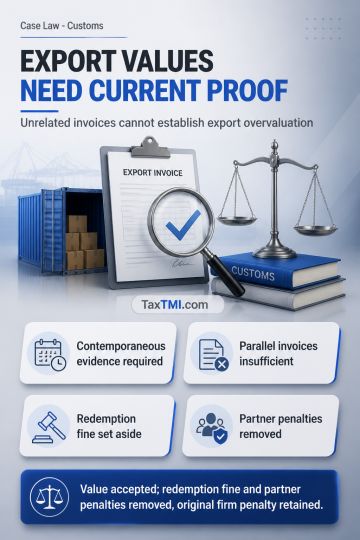
Export valuation requires contemporaneous evidence; unrelated invoices cannot prove overvaluation, and dual penalties on firm and partner are impermis...
Section 130 of the Customs Act is described as establishing a self-contained, two-stage appellate process. At the pre-admission stage, the High Court conducts an ex parte screening limited to whether the memorandum discloses a substantial question of law; respondents cannot intervene then to contest maintainability, jurisdiction, or the applicable rate-of-duty notification. Those objections are deferred to the post-admission hearing under Section 130(5), where respondents may argue that the framed questions do not arise or are legally barred. High Court Rules cannot override the statutory sequence, and provisions concerning procedural defects do not permit a merits-based threshold challenge. The preliminary objection was rejected and the appeal was directed to proceed ex parte on admission.
Section 130 of the Customs Act is described as establishing a self-contained, two-stage appellate process. At the pre-admission stage, the High Court conducts an ex parte screening limited to whether the memorandum discloses a substantial question of law; respondents cannot intervene then to contest maintainability, jurisdiction, or the applicable rate-of-duty notification. Those objections are deferred to the post-admission hearing under Section 130(5), where respondents may argue that the framed questions do not arise or are legally barred. High Court Rules cannot override the statutory sequence, and provisions concerning procedural defects do not permit a merits-based threshold challenge. The preliminary objection was rejected and the appeal was directed to proceed ex parte on admission.
Note: It is a system-generated summary and is for quick reference only.
 TaxTMI
 of 4798







 Join Channel



 TaxTMI
