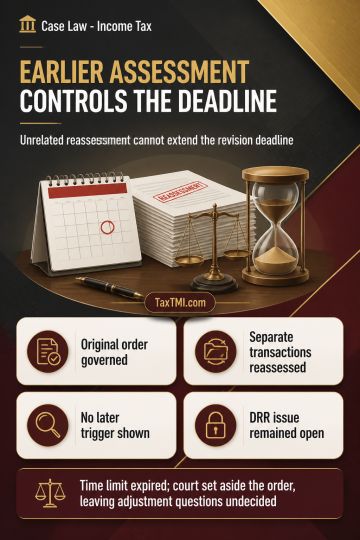
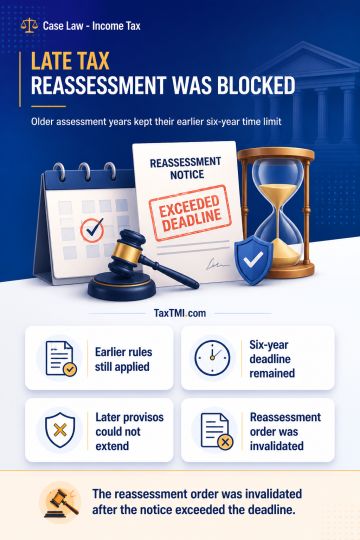
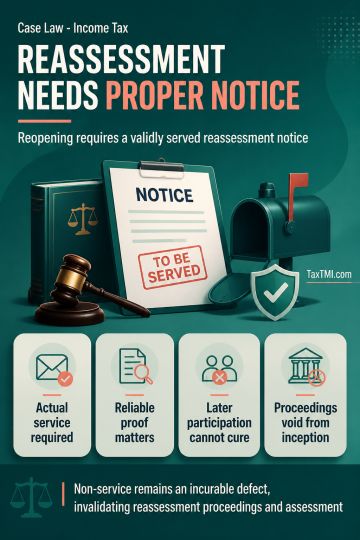
Pre-amendment reassessment limitation bars late notices under the preserved regime, invalidating consequential reassessment for affected earlier asses...
Cash-sales explanations for bank deposits require documentary reconciliation; reassessment notice survived where effective response time was available...
Functional comparability in transfer pricing prevents ad hoc arm's length adjustments where functions, assets, risks and reliable comparables are unes...
A statutory demand notice under Section 138 of the Negotiable Instruments Act must demand the cheque amount, but it must also be read as a whole. Where part payments reduce the outstanding liability, a notice that identifies the original liability, dishonoured cheques, payments received, and computation of the balance is not invalid merely because it demands less than the aggregate cheque amounts. Whether the cheques continued to represent a legally enforceable debt, whether Section 56 applied, and the effect of absent endorsement were matters requiring evidence. Those issues could not be conclusively decided while reviewing a summoning order, so the complaint was allowed to proceed on its merits.
A statutory demand notice under Section 138 of the Negotiable Instruments Act must demand the cheque amount, but it must also be read as a whole. Where part payments reduce the outstanding liability, a notice that identifies the original liability, dishonoured cheques, payments received, and computation of the balance is not invalid merely because it demands less than the aggregate cheque amounts. Whether the cheques continued to represent a legally enforceable debt, whether Section 56 applied, and the effect of absent endorsement were matters requiring evidence. Those issues could not be conclusively decided while reviewing a summoning order, so the complaint was allowed to proceed on its merits.
Note: It is a system-generated summary and is for quick reference only.
 TaxTMI
  TaxTMI
 of 4918