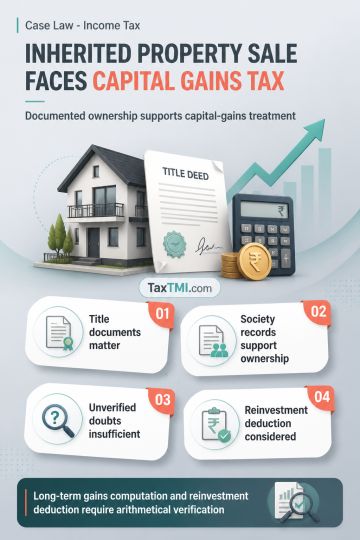
Inherited property sale proceeds require capital-gains treatment where ownership is supported by evidence, not suspicion or unverified signature doubt...
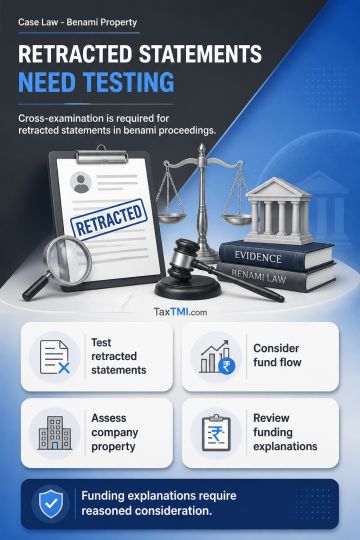
Cross-examination of retracted statements is essential where foundational evidence supports a benami allegation and documented funding explanations re...
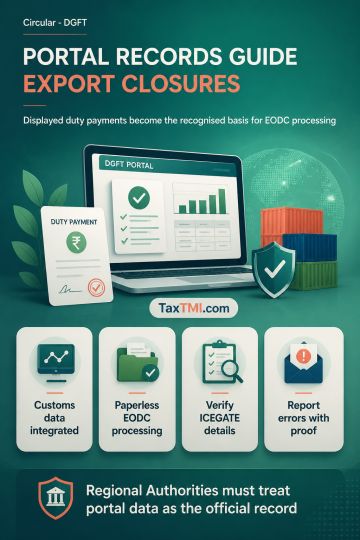
Capital-goods exemption covers plant-modernisation accessories, while the import restriction applies only to earlier capital-goods components and spar...
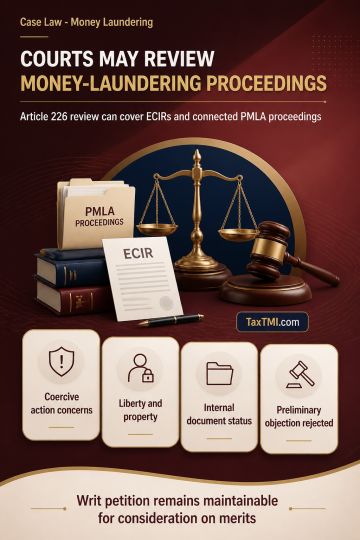
Constitutional judicial review permits challenges to ECIRs and connected money-laundering proceedings where coercive action affects fundamental intere...
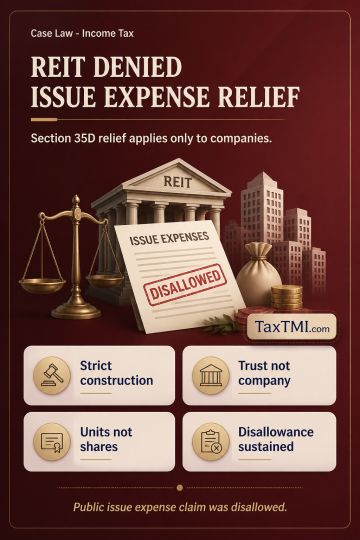
Section 35D(2)(c) was held to allow deduction only to a company for expenditure connected with public subscription of its shares or debentures. The Tribunal applied strict construction and refused to extend that relief to a REIT constituted as a trust, since a business trust is neither a company nor deemed to be one under the Act. It further held that REIT units are legally distinct from shares or debentures, and their regulatory treatment under SEBI norms does not change that character for section 35D(2)(c). The disallowance of the public issue expense claim was therefore sustained.
Section 35D(2)(c) was held to allow deduction only to a company for expenditure connected with public subscription of its shares or debentures. The Tribunal applied strict construction and refused to extend that relief to a REIT constituted as a trust, since a business trust is neither a company nor deemed to be one under the Act. It further held that REIT units are legally distinct from shares or debentures, and their regulatory treatment under SEBI norms does not change that character for section 35D(2)(c). The disallowance of the public issue expense claim was therefore sustained.
Note: It is a system-generated summary and is for quick reference only.
 TaxTMI
 of 4792











 Join Channel


 TaxTMI