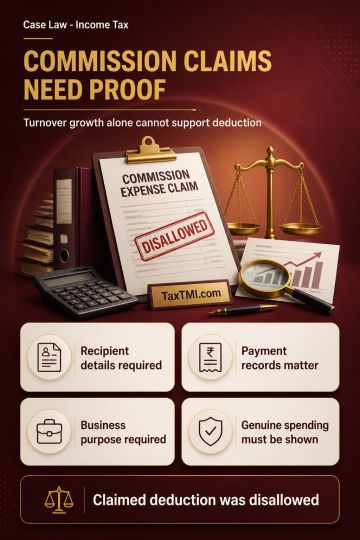
Business expenditure deduction requires proof of genuine commission payments and commercial allowability; turnover growth alone cannot validate the cl...
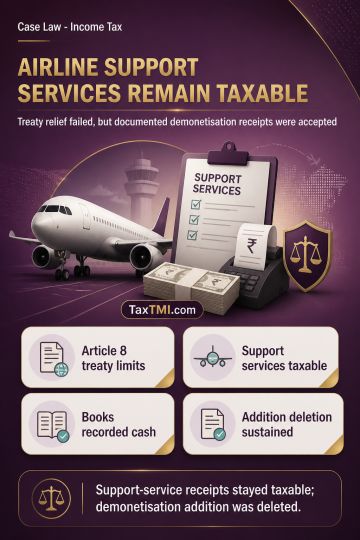
Article 8 treaty coverage excluded third-party airline support services, while documented demonetisation cash receipts remained accepted business inco...
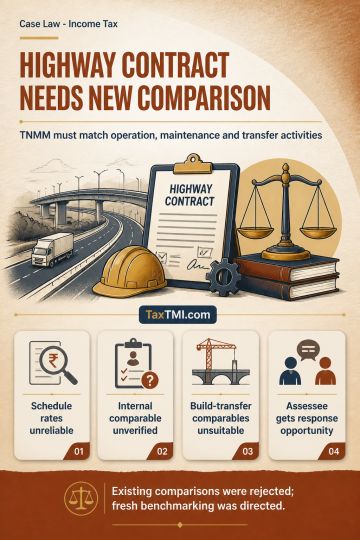
Functional comparability under TNMM requires highway contract benchmarks to reflect operation, maintenance and transfer activities, requiring fresh be...
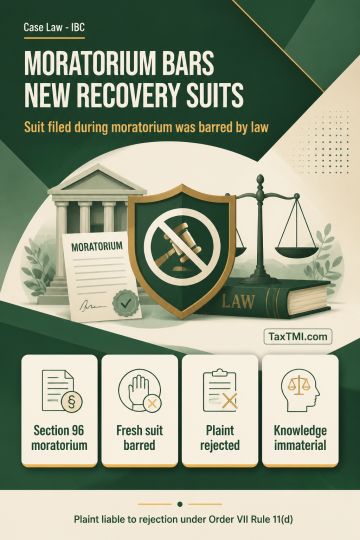
Section 96 of the Insolvency and Bankruptcy Code creates an interim moratorium from the filing of an application under Sections 94 or 95 until admission, staying pending debt proceedings and barring fresh legal action on the debt during that period. A money recovery suit filed while that embargo operated was therefore barred by law and liable to rejection under Order VII Rule 11(d). The later insertion of Section 96(4) did not cure an earlier filing, and lack of knowledge of the insolvency proceedings was immaterial because the bar operated by statute. The plaint could not be split against some defendants on a joint and several liability theory once the statutory prohibition applied.
Section 96 of the Insolvency and Bankruptcy Code creates an interim moratorium from the filing of an application under Sections 94 or 95 until admission, staying pending debt proceedings and barring fresh legal action on the debt during that period. A money recovery suit filed while that embargo operated was therefore barred by law and liable to rejection under Order VII Rule 11(d). The later insertion of Section 96(4) did not cure an earlier filing, and lack of knowledge of the insolvency proceedings was immaterial because the bar operated by statute. The plaint could not be split against some defendants on a joint and several liability theory once the statutory prohibition applied.
Note: It is a system-generated summary and is for quick reference only.
 TaxTMI
 of 4792





 Join Channel


 TaxTMI
