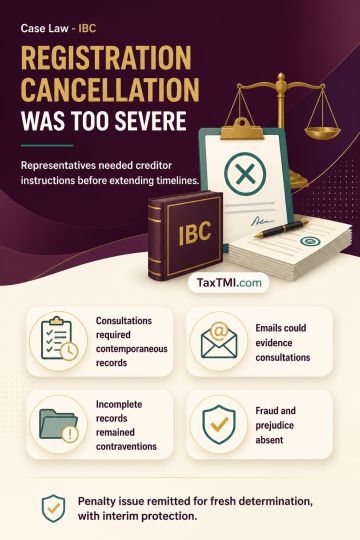
Disciplinary proportionality requires penalties for Authorised Representative misconduct to match proven harm, leading to reconsideration of registrat...
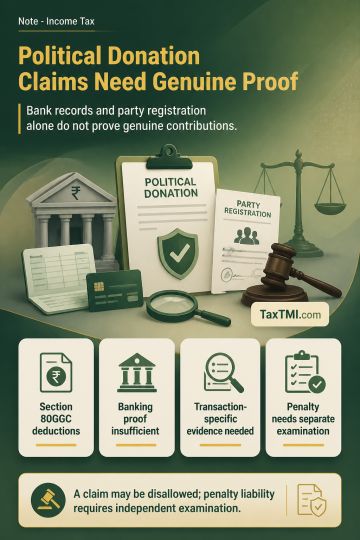
Political contribution deductions require genuine transactions; banking records and party registration alone cannot defeat evidence of accommodation e...
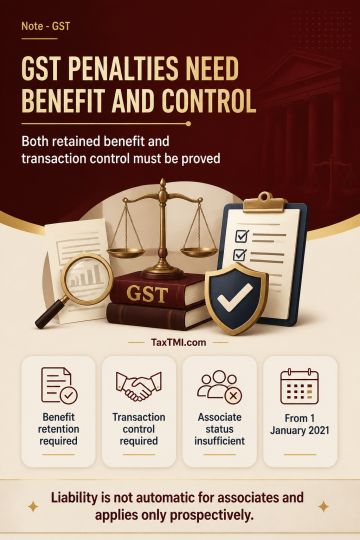
Post-death GST liability permits fresh proceedings against legal representatives, while discontinued-business recovery remains limited to the inherite...
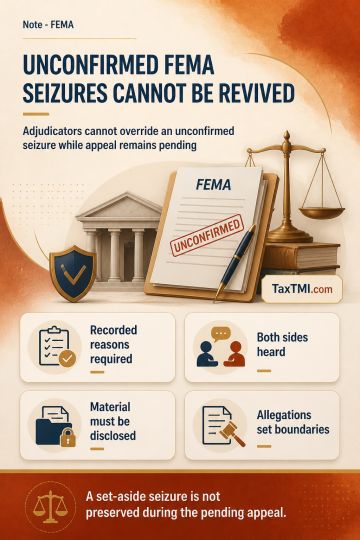
Non-confirmation of FEMA seizure prevents adjudicators from overriding pending appellate findings on recorded reasons and suspected foreign asset hold...
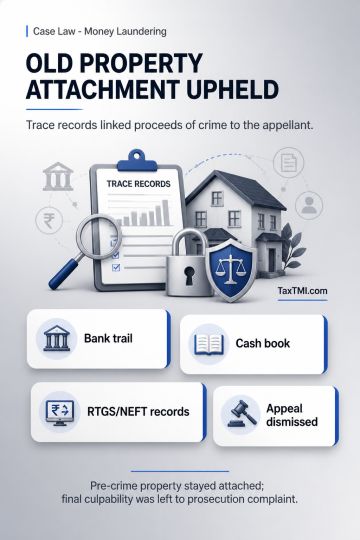
At the attachment stage under PMLA, the Tribunal applied preponderance of probabilities and held that bank trail material, statements of the persons concerned, the cash book and RTGS/NEFT records were sufficient to show receipt of proceeds of crime by the appellant; minor discrepancies in the cash figures did not destroy the evidentiary value, and final culpability was left to the pending prosecution complaint. It also held that property acquired before the crime period remained liable to equivalent value attachment where direct proceeds were no longer available, since no bar flows from the definition of proceeds of crime. Attachment was treated as a protective measure, and the appeal was dismissed.
At the attachment stage under PMLA, the Tribunal applied preponderance of probabilities and held that bank trail material, statements of the persons concerned, the cash book and RTGS/NEFT records were sufficient to show receipt of proceeds of crime by the appellant; minor discrepancies in the cash figures did not destroy the evidentiary value, and final culpability was left to the pending prosecution complaint. It also held that property acquired before the crime period remained liable to equivalent value attachment where direct proceeds were no longer available, since no bar flows from the definition of proceeds of crime. Attachment was treated as a protective measure, and the appeal was dismissed.
Note: It is a system-generated summary and is for quick reference only.
 TaxTMI
  TaxTMI
 of 4918