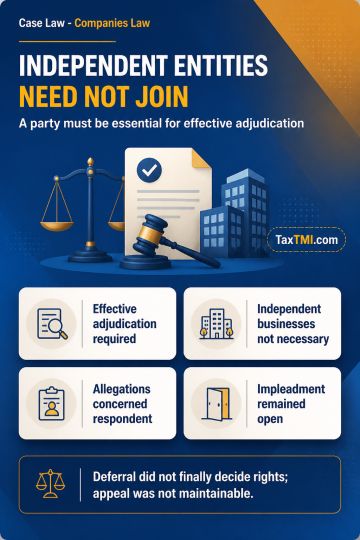
Necessary-party requirements limit impleadment of independent entities, while deferred consideration does not create an appealable adverse determinati...
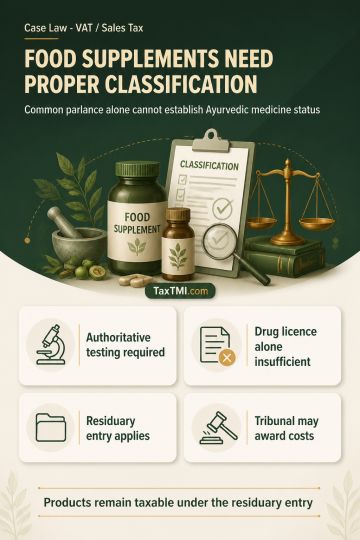
Food supplement classification requires common parlance and authoritative tests, preventing treatment as proprietary Ayurvedic medicines without suppo...
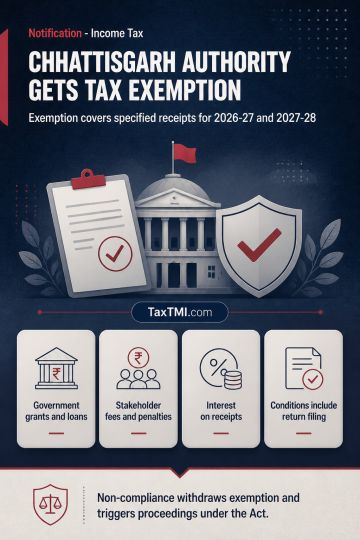
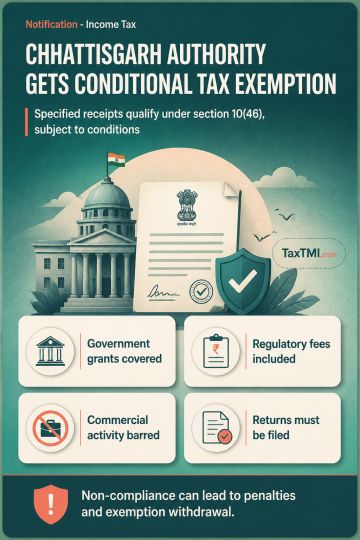
Specified regulatory authority income receives conditional tax exemption, subject to non-commercial activity, unchanged income character, and return f...
Tax exemption for regulatory authority income applies retrospectively, subject to non-commercial activity, unchanged income sources, and return-filing...
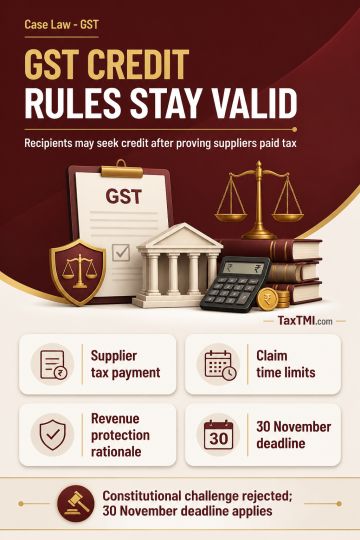
Input tax credit conditions remain constitutionally valid, with eligible recipient claims considered under GST circulars and retrospective filing dead...
Page of 4790
Press 'Enter' after typing page number.
481 to 500 of 95794 Results
❮
❯
❯❯
0 / 200
Expand Note
Add to Folder
No Folders have been created
+
Are you sure you want to delete "My most important" ?
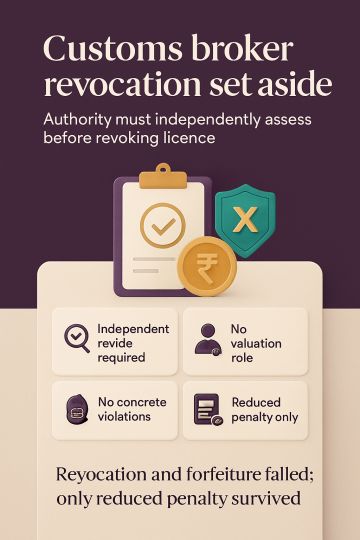
Regulation 17 required the licensing authority to independently consider the inquiry report, the broker's representation and the material on record before deciding the case; an order that merely adopted the inquiry officer's conclusions without fact-specific findings failed legal scrutiny, so revocation, forfeiture and penalty could not stand. On the alleged overvaluation of export goods, no violation of Regulations 10(a), 10(d), 10(e), 10(f), 10(k) or 10(n) was made out because there were no concrete findings of incorrect advice, withheld material, record-keeping default or failure of antecedent verification, and a Customs Broker had no role in determining export value negotiated between exporter and overseas buyer. Only Regulation 10(q) was attracted for non-participation in the inquiry proceedings, warranting a reduced penalty.
Regulation 17 required the licensing authority to independently consider the inquiry report, the broker's representation and the material on record before deciding the case; an order that merely adopted the inquiry officer's conclusions without fact-specific findings failed legal scrutiny, so revocation, forfeiture and penalty could not stand. On the alleged overvaluation of export goods, no violation of Regulations 10(a), 10(d), 10(e), 10(f), 10(k) or 10(n) was made out because there were no concrete findings of incorrect advice, withheld material, record-keeping default or failure of antecedent verification, and a Customs Broker had no role in determining export value negotiated between exporter and overseas buyer. Only Regulation 10(q) was attracted for non-participation in the inquiry proceedings, warranting a reduced penalty.
Note: It is a system-generated summary and is for quick reference only.
 TaxTMI
 of 4790






 Join Channel


 TaxTMI