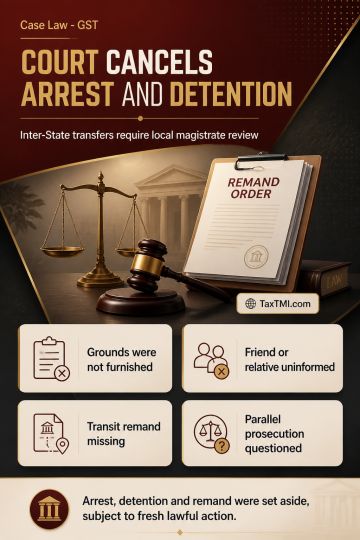
Arrest safeguards and transit remand requirements invalidated detention following inter-State transfer without communicated grounds or magistrate auth...
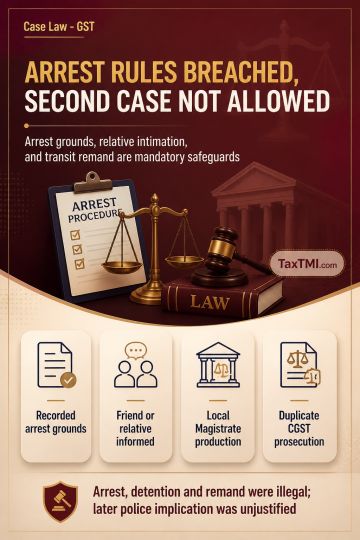
Arrest safeguards require disclosed grounds, relative intimation and transit remand, while duplicate prosecution under the CGST framework is unsustain...
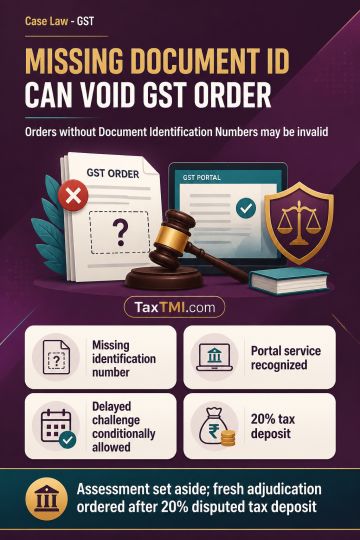
Document Identification Number defects can invalidate GST assessments, with delayed challenges entertained conditionally where patent irregularities e...
Windmill commissioning evidence supported higher depreciation where grid connection and electricity generation proved operational use before the relev...
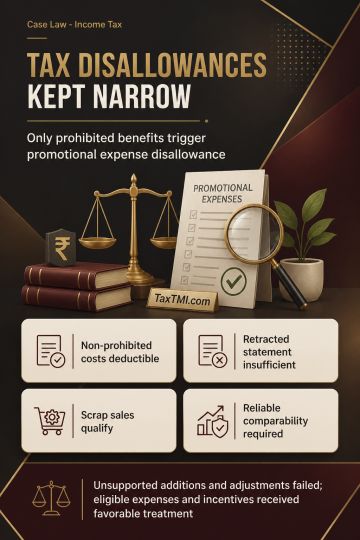
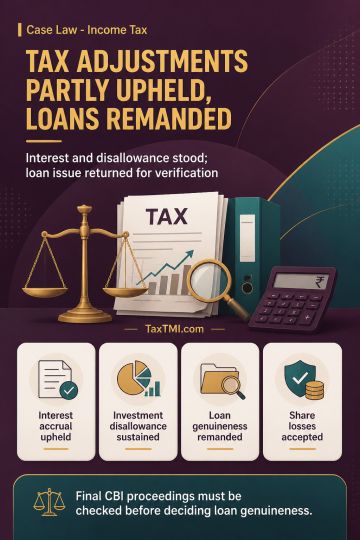
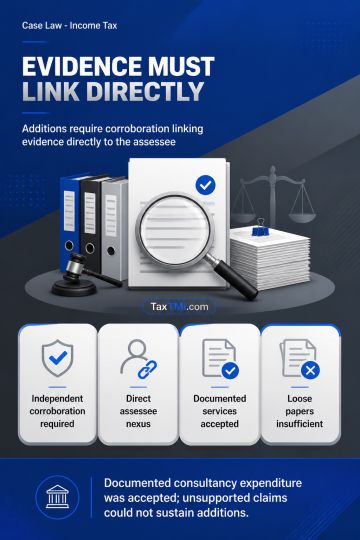
Pharmaceutical promotion and transfer-pricing comparability principles limited disallowances, while uncorroborated search allegations and unsupported ...
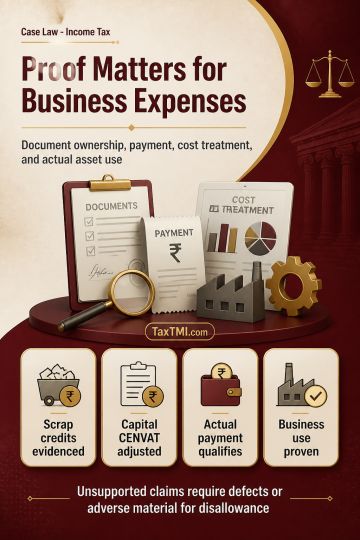
Business expenditure substantiation supports scrap credits, statutory payments and expense claims, while depreciation requires proof of actual busines...
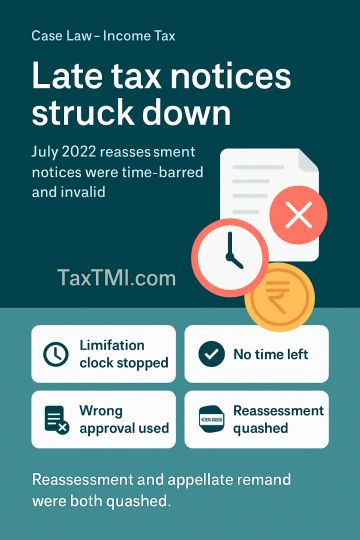
Deemed notices issued between 1 April 2021 and 30 June 2021 stopped the limitation clock, and only the surviving balance period could be used for the section 148 notice after the section 148A(d) order. Applying that rule, no effective period remained for AY 2015-16, while only a short residual period survived for AYs 2016-17 and 2017-18, so the July 2022 notices were time-barred and jurisdictionally invalid. For AYs 2016-17 and 2017-18, approval from the Principal Commissioner was also insufficient because the statute required sanction from the competent authority under section 151(ii). The reassessment and the appellate remand were quashed.
Deemed notices issued between 1 April 2021 and 30 June 2021 stopped the limitation clock, and only the surviving balance period could be used for the section 148 notice after the section 148A(d) order. Applying that rule, no effective period remained for AY 2015-16, while only a short residual period survived for AYs 2016-17 and 2017-18, so the July 2022 notices were time-barred and jurisdictionally invalid. For AYs 2016-17 and 2017-18, approval from the Principal Commissioner was also insufficient because the statute required sanction from the competent authority under section 151(ii). The reassessment and the appellate remand were quashed.
Note: It is a system-generated summary and is for quick reference only.
 TaxTMI
 of 4790






 Join Channel


 TaxTMI
