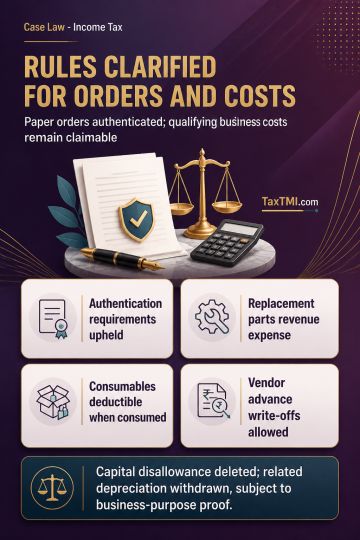
Authentication of paper assessment orders upheld, while qualifying repairs, consumables and vendor advance write-offs remain deductible business claim...
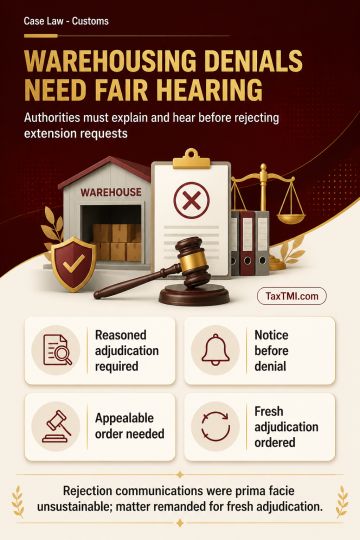
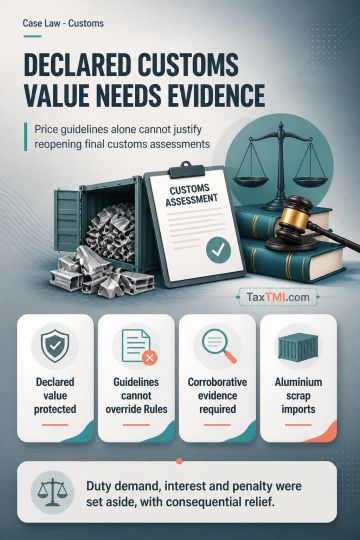
Transaction value cannot be rejected solely on non-statutory valuation guidelines without corroborative evidence supporting reassessment of final cust...
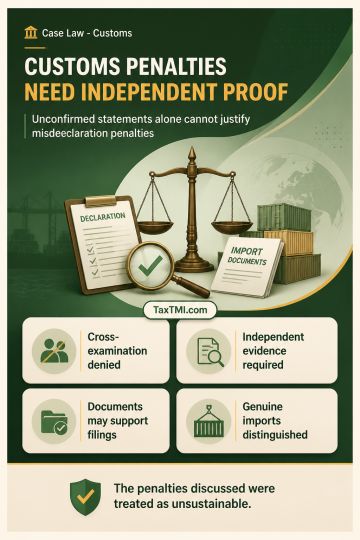
Cross-examination rights and corroborated evidence limit customs penalties for misdeclaration in genuine import transactions involving documented clea...
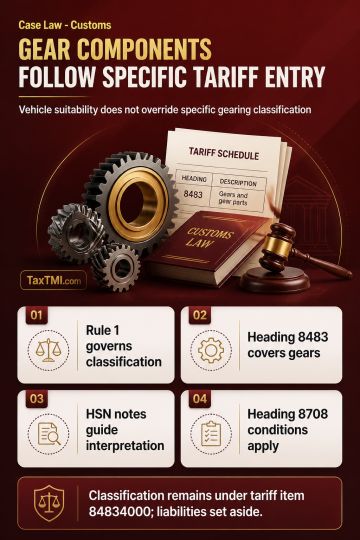
Tariff classification of vehicle gear components follows the specific gearing entry, displacing motor-vehicle parts classification and related liabili...
Depreciation on goodwill arising from amalgamation was allowed, as the Tribunal followed binding precedent that goodwill is a depreciable intangible asset and held that the cited provisions regulate actual cost, written down value and capital gains treatment, but do not create any express bar on depreciation for goodwill generated by excess consideration over net assets. It further held that the accounting treatment in the books was not determinative for tax purposes, and that fresh factual allegations could not be raised for the first time in second appeal. The transfer pricing adjustment for notional interest on overdue receivables from the associated enterprise was deleted because the assessee was debt free, had no significant interest cost, and no corresponding interest was charged on payables.
Depreciation on goodwill arising from amalgamation was allowed, as the Tribunal followed binding precedent that goodwill is a depreciable intangible asset and held that the cited provisions regulate actual cost, written down value and capital gains treatment, but do not create any express bar on depreciation for goodwill generated by excess consideration over net assets. It further held that the accounting treatment in the books was not determinative for tax purposes, and that fresh factual allegations could not be raised for the first time in second appeal. The transfer pricing adjustment for notional interest on overdue receivables from the associated enterprise was deleted because the assessee was debt free, had no significant interest cost, and no corresponding interest was charged on payables.
Note: It is a system-generated summary and is for quick reference only.
 TaxTMI
 of 4792











 Join Channel



 TaxTMI