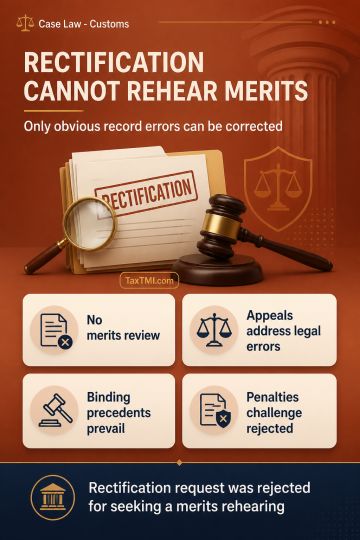
Rectification of mistake remains limited to self-evident record errors, preventing merits review through miscellaneous applications and preserving fin...
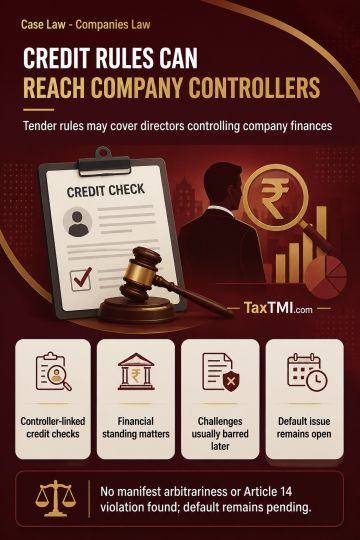
Tender creditworthiness conditions may extend to de facto Promoter Directors, with post-participation challenges generally barred absent arbitrariness...
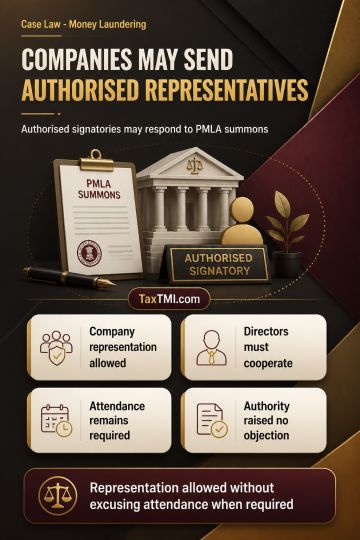
Corporate representation in PMLA summons proceedings permitted through an authorised signatory, subject to directors' continuing cooperation and atten...
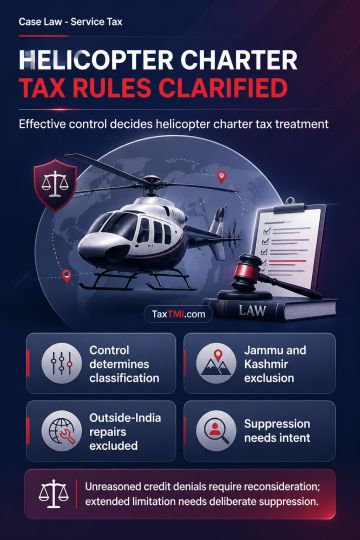
Helicopter charter classification requires effective control analysis, while territorial performance, reasoned credit orders and wilful suppression de...
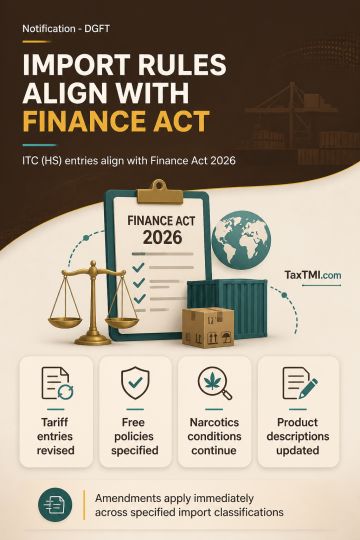
Specified fund definition expands PAN exemption eligibility for registered alternative investment funds and qualifying International Financial Service...
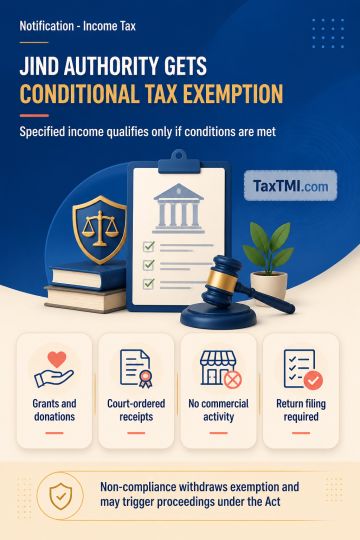
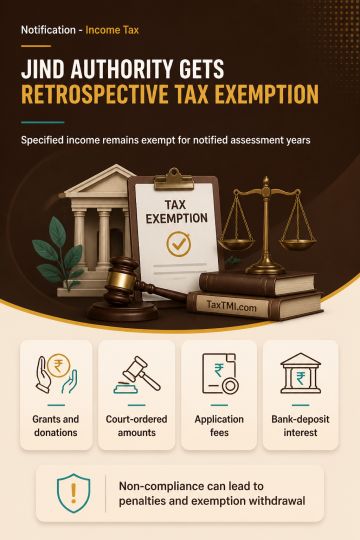
Tax exemption for specified legal-services authority income applies retrospectively, subject to non-commercial activity, unchanged income sources, and...
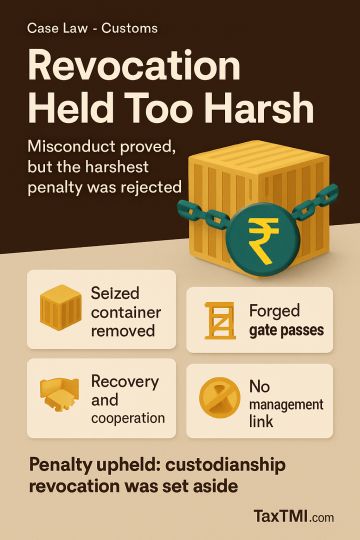
Illegal removal of a seized container and substitution through forged gate passes was treated as a serious breach of HCCAR supervision and customs compliance, but revocation of custodianship was held to be a disproportionate response. The Tribunal noted recovery of the goods, police findings showing no material against management, cooperation with investigation, and corrective measures taken thereafter. It upheld penalty for the violations but declined the severest consequence of revocation. On vicarious liability, it held that employee misconduct alone, without evidence of knowledge, connivance or conscious facilitation by management, could not justify revocation, and the Department failed to show grounds for appellate interference.
Illegal removal of a seized container and substitution through forged gate passes was treated as a serious breach of HCCAR supervision and customs compliance, but revocation of custodianship was held to be a disproportionate response. The Tribunal noted recovery of the goods, police findings showing no material against management, cooperation with investigation, and corrective measures taken thereafter. It upheld penalty for the violations but declined the severest consequence of revocation. On vicarious liability, it held that employee misconduct alone, without evidence of knowledge, connivance or conscious facilitation by management, could not justify revocation, and the Department failed to show grounds for appellate interference.
Note: It is a system-generated summary and is for quick reference only.
 TaxTMI
 of 4789





 Join Channel


 TaxTMI