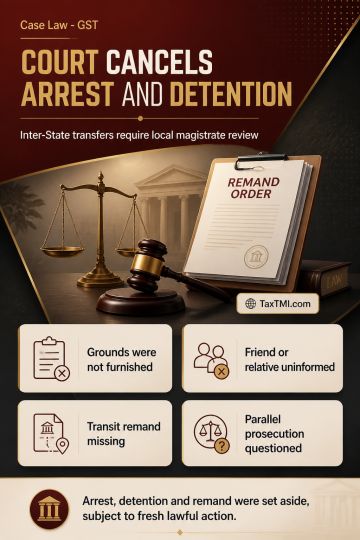
Arrest safeguards and transit remand requirements invalidated detention following inter-State transfer without communicated grounds or magistrate auth...
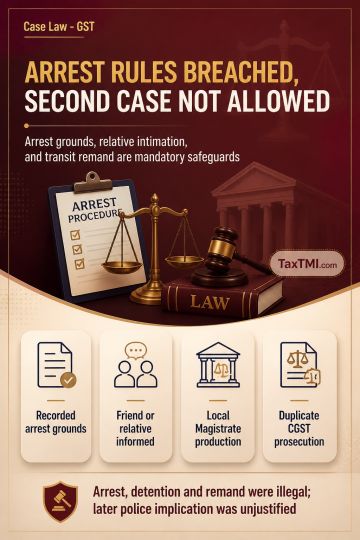
Arrest safeguards require disclosed grounds, relative intimation and transit remand, while duplicate prosecution under the CGST framework is unsustain...
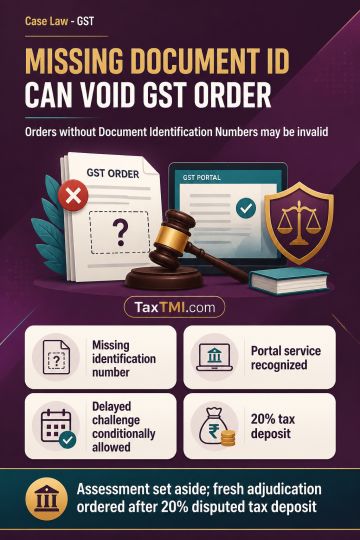
Document Identification Number defects can invalidate GST assessments, with delayed challenges entertained conditionally where patent irregularities e...
Windmill commissioning evidence supported higher depreciation where grid connection and electricity generation proved operational use before the relev...
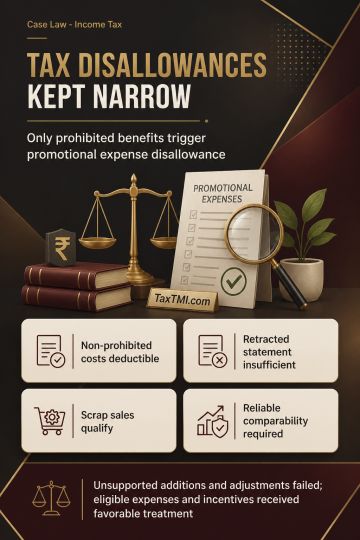
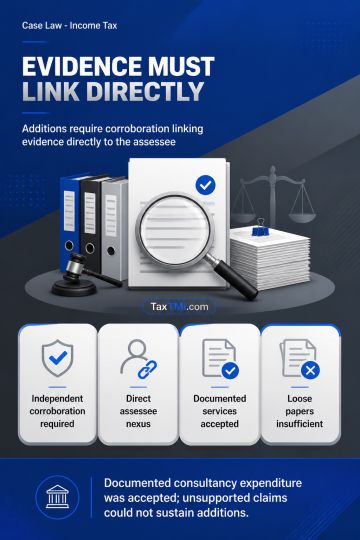
Pharmaceutical promotion and transfer-pricing comparability principles limited disallowances, while uncorroborated search allegations and unsupported ...
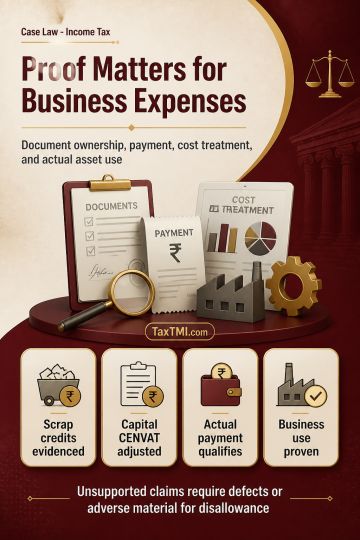
Business expenditure substantiation supports scrap credits, statutory payments and expense claims, while depreciation requires proof of actual busines...
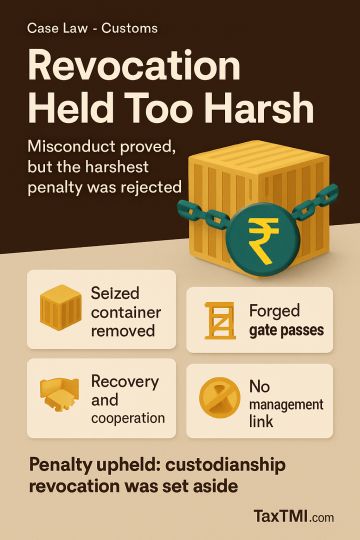
Illegal removal of a seized container and substitution through forged gate passes was treated as a serious breach of HCCAR supervision and customs compliance, but revocation of custodianship was held to be a disproportionate response. The Tribunal noted recovery of the goods, police findings showing no material against management, cooperation with investigation, and corrective measures taken thereafter. It upheld penalty for the violations but declined the severest consequence of revocation. On vicarious liability, it held that employee misconduct alone, without evidence of knowledge, connivance or conscious facilitation by management, could not justify revocation, and the Department failed to show grounds for appellate interference.
Illegal removal of a seized container and substitution through forged gate passes was treated as a serious breach of HCCAR supervision and customs compliance, but revocation of custodianship was held to be a disproportionate response. The Tribunal noted recovery of the goods, police findings showing no material against management, cooperation with investigation, and corrective measures taken thereafter. It upheld penalty for the violations but declined the severest consequence of revocation. On vicarious liability, it held that employee misconduct alone, without evidence of knowledge, connivance or conscious facilitation by management, could not justify revocation, and the Department failed to show grounds for appellate interference.
Note: It is a system-generated summary and is for quick reference only.
 TaxTMI
 of 4790







 Join Channel


 TaxTMI
