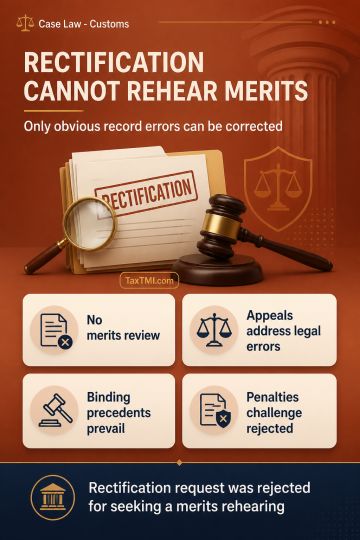
Rectification of mistake remains limited to self-evident record errors, preventing merits review through miscellaneous applications and preserving fin...
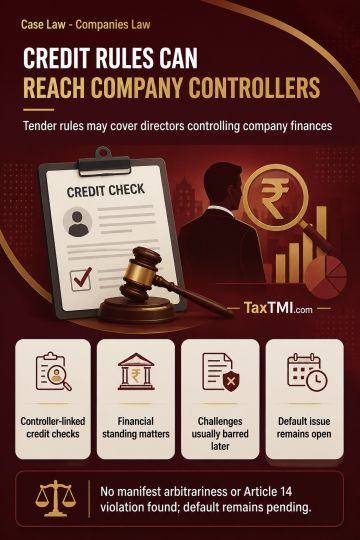
Tender creditworthiness conditions may extend to de facto Promoter Directors, with post-participation challenges generally barred absent arbitrariness...
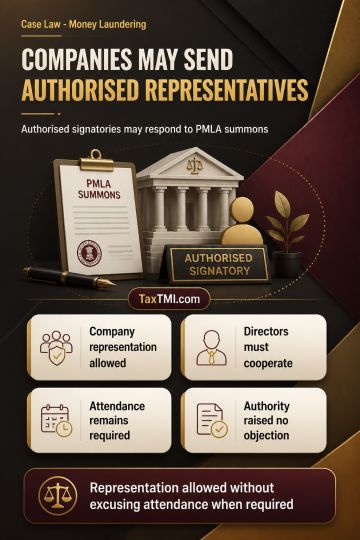
Corporate representation in PMLA summons proceedings permitted through an authorised signatory, subject to directors' continuing cooperation and atten...
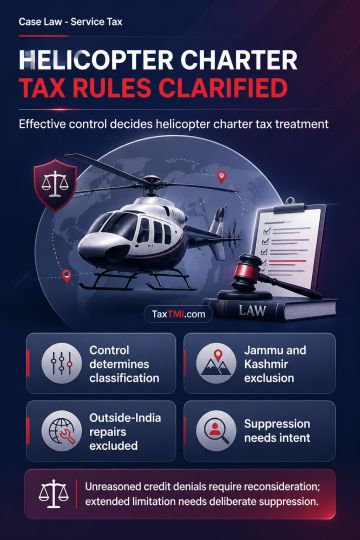
Helicopter charter classification requires effective control analysis, while territorial performance, reasoned credit orders and wilful suppression de...
Specified fund definition expands PAN exemption eligibility for registered alternative investment funds and qualifying International Financial Service...
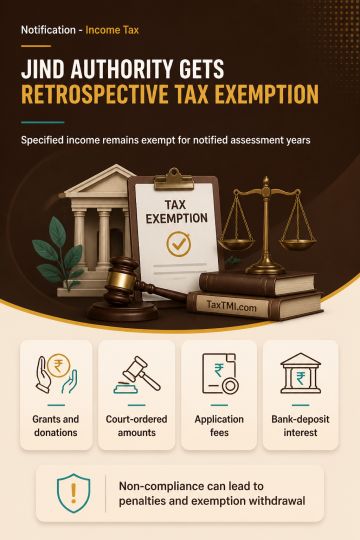
Tax exemption for specified legal-services authority income applies retrospectively, subject to non-commercial activity, unchanged income sources, and...
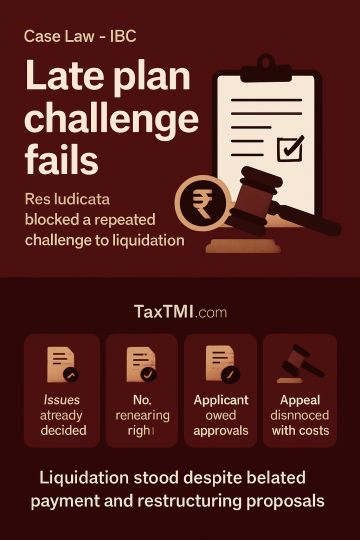
Res judicata barred the challenge because it repeated issues already decided against the successful resolution applicant, and the liquidation direction merely carried forward earlier final orders aimed at closure under the insolvency framework. The tribunal held that a post-reservation application for a one-time payment proposal did not create any right to rehearing, and the unilateral restructuring plea was a belated attempt to obstruct liquidation. It also held that regulatory approvals were the applicant's own responsibility under the approved plan; mere pendency of approval requests and repeated non-payment could not justify indefinite delay. Prolonged non-implementation, value erosion and lack of credible performance therefore justified liquidation, and the appeal was dismissed with costs.
Res judicata barred the challenge because it repeated issues already decided against the successful resolution applicant, and the liquidation direction merely carried forward earlier final orders aimed at closure under the insolvency framework. The tribunal held that a post-reservation application for a one-time payment proposal did not create any right to rehearing, and the unilateral restructuring plea was a belated attempt to obstruct liquidation. It also held that regulatory approvals were the applicant's own responsibility under the approved plan; mere pendency of approval requests and repeated non-payment could not justify indefinite delay. Prolonged non-implementation, value erosion and lack of credible performance therefore justified liquidation, and the appeal was dismissed with costs.
Note: It is a system-generated summary and is for quick reference only.
 TaxTMI
 of 4788







 Join Channel


 TaxTMI