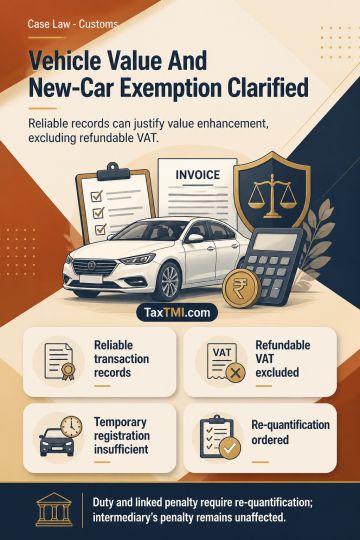
Transaction value rejection requires reliable corroboration; refundable VAT is excluded and temporary registration does not defeat new-vehicle exempti...
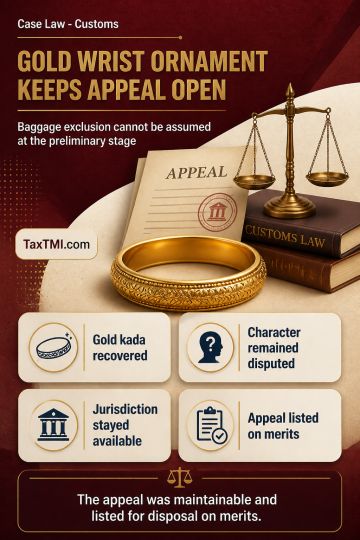
Appellate jurisdiction remains available where a wrist-worn gold ornament cannot conclusively be characterised as imported baggage at the preliminary ...
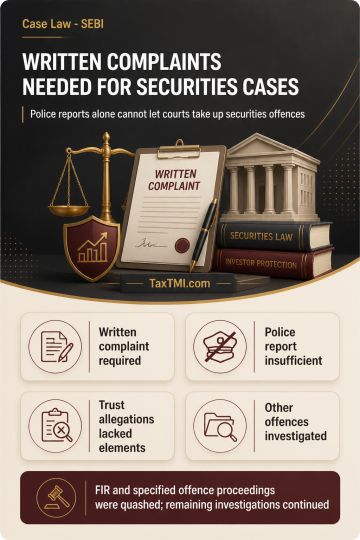
Written complaint requirement bars cognizance on police reports for securities offences, while unsupported breach of trust and cheating allegations fa...
Risk-based postal import clearance standardises electronic assessment, document requests, duty realisation and delivery controls at Foreign Post Offic...
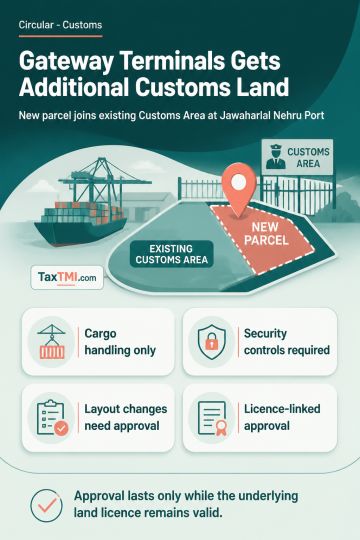
Customs Cargo Service Provider appointment extends custodianship to additional terminal land, subject to cargo-control, security and licence condition...
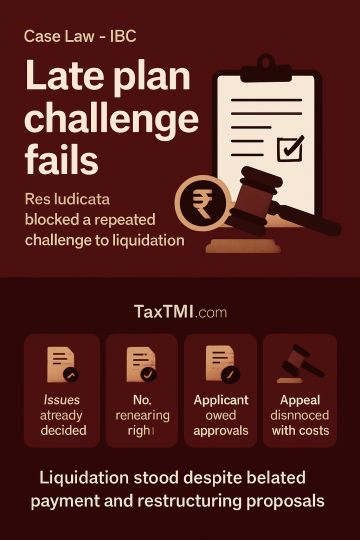
Res judicata barred the challenge because it repeated issues already decided against the successful resolution applicant, and the liquidation direction merely carried forward earlier final orders aimed at closure under the insolvency framework. The tribunal held that a post-reservation application for a one-time payment proposal did not create any right to rehearing, and the unilateral restructuring plea was a belated attempt to obstruct liquidation. It also held that regulatory approvals were the applicant's own responsibility under the approved plan; mere pendency of approval requests and repeated non-payment could not justify indefinite delay. Prolonged non-implementation, value erosion and lack of credible performance therefore justified liquidation, and the appeal was dismissed with costs.
Res judicata barred the challenge because it repeated issues already decided against the successful resolution applicant, and the liquidation direction merely carried forward earlier final orders aimed at closure under the insolvency framework. The tribunal held that a post-reservation application for a one-time payment proposal did not create any right to rehearing, and the unilateral restructuring plea was a belated attempt to obstruct liquidation. It also held that regulatory approvals were the applicant's own responsibility under the approved plan; mere pendency of approval requests and repeated non-payment could not justify indefinite delay. Prolonged non-implementation, value erosion and lack of credible performance therefore justified liquidation, and the appeal was dismissed with costs.
Note: It is a system-generated summary and is for quick reference only.
 TaxTMI
 of 4792





 Join Channel


 TaxTMI