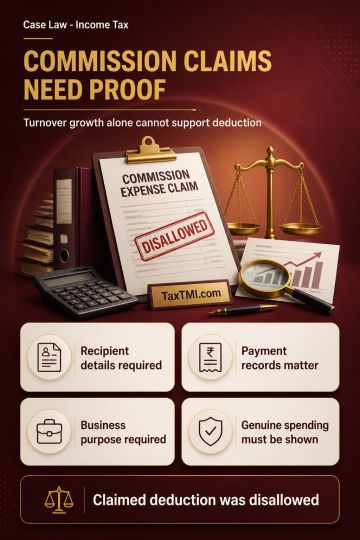
Business expenditure deduction requires proof of genuine commission payments and commercial allowability; turnover growth alone cannot validate the cl...
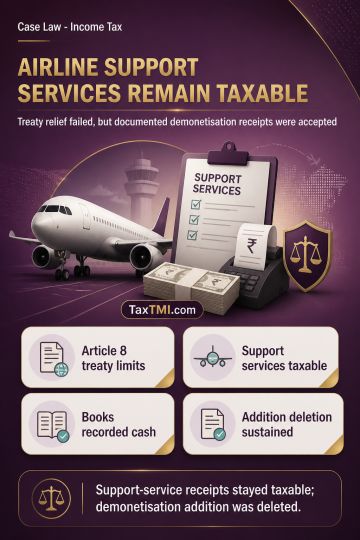
Article 8 treaty coverage excluded third-party airline support services, while documented demonetisation cash receipts remained accepted business inco...
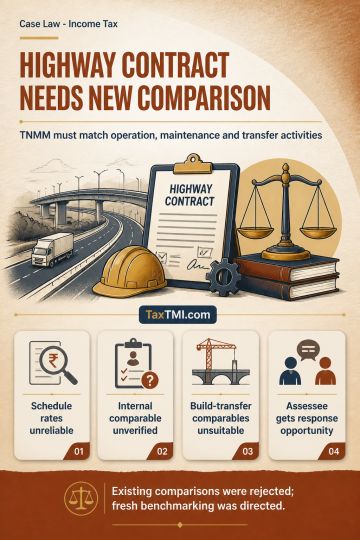
Functional comparability under TNMM requires highway contract benchmarks to reflect operation, maintenance and transfer activities, requiring fresh be...
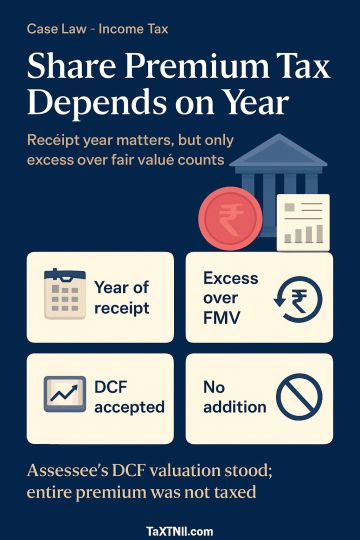
Share premium received during the relevant previous year was treated as within the scope of the anti-abuse rule even though the shares had been allotted earlier, because the trigger is receipt of consideration in excess of face value in the year of receipt. At the same time, the addition could not stand where the Assessing Officer rejected the assessee's discounted cash flow valuation without showing any defect, substituted no valid fair market value, and taxed the entire premium without proving any excess over fair market value. The Tribunal accepted the assessee's choice of valuation method and sustained no addition on that basis.
Share premium received during the relevant previous year was treated as within the scope of the anti-abuse rule even though the shares had been allotted earlier, because the trigger is receipt of consideration in excess of face value in the year of receipt. At the same time, the addition could not stand where the Assessing Officer rejected the assessee's discounted cash flow valuation without showing any defect, substituted no valid fair market value, and taxed the entire premium without proving any excess over fair market value. The Tribunal accepted the assessee's choice of valuation method and sustained no addition on that basis.
Note: It is a system-generated summary and is for quick reference only.
 TaxTMI
 of 4792






 Join Channel


 TaxTMI
