Transaction value rejection requires reliable corroboration; refundable VAT is excluded and temporary registration does not defeat new-vehicle exempti...
Appellate jurisdiction remains available where a wrist-worn gold ornament cannot conclusively be characterised as imported baggage at the preliminary ...
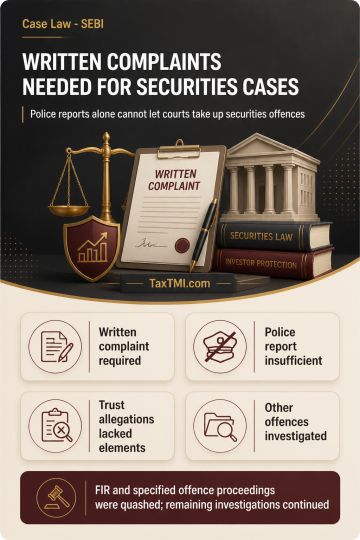
Written complaint requirement bars cognizance on police reports for securities offences, while unsupported breach of trust and cheating allegations fa...
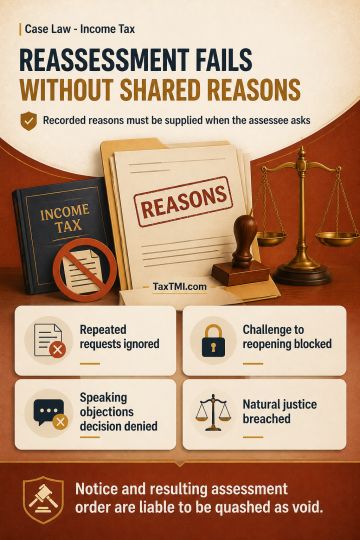
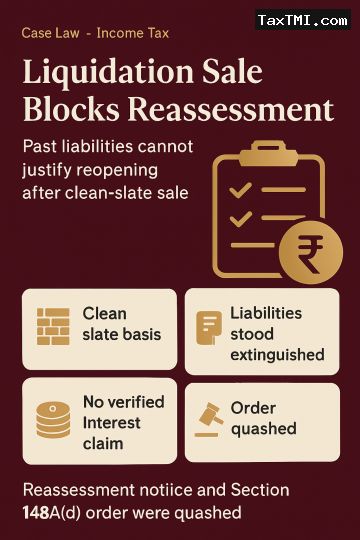
A company sold as a going concern in liquidation was treated as acquired on a clean slate basis, so past liabilities and investigations stood extinguished under the insolvency framework. The High Court applied the settled principle from insolvency sale jurisprudence and held that reopening could not proceed on that footing. It also found the reassessment to be based on an unverified assumption that interest deduction might have been claimed, despite the company's explanation that no such deduction was taken and the matter was verifiable from the accounts. As the AO acted on surmises rather than examined material, the notice and the order under Section 148A(d) were quashed.
A company sold as a going concern in liquidation was treated as acquired on a clean slate basis, so past liabilities and investigations stood extinguished under the insolvency framework. The High Court applied the settled principle from insolvency sale jurisprudence and held that reopening could not proceed on that footing. It also found the reassessment to be based on an unverified assumption that interest deduction might have been claimed, despite the company's explanation that no such deduction was taken and the matter was verifiable from the accounts. As the AO acted on surmises rather than examined material, the notice and the order under Section 148A(d) were quashed.
Note: It is a system-generated summary and is for quick reference only.
 TaxTMI
 of 4796











 Join Channel


 TaxTMI
