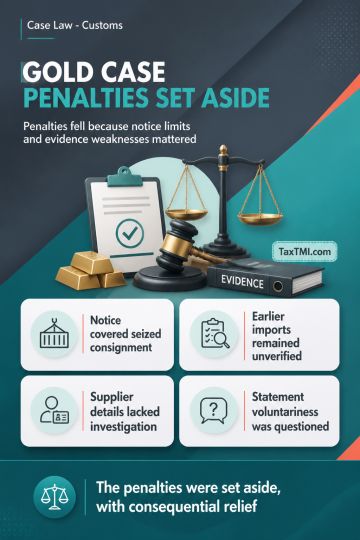
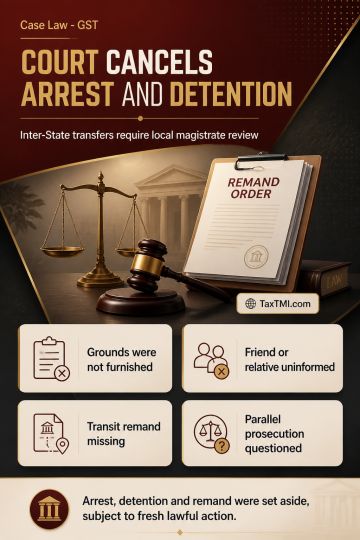
Arrest safeguards and transit remand requirements invalidated detention following inter-State transfer without communicated grounds or magistrate auth...
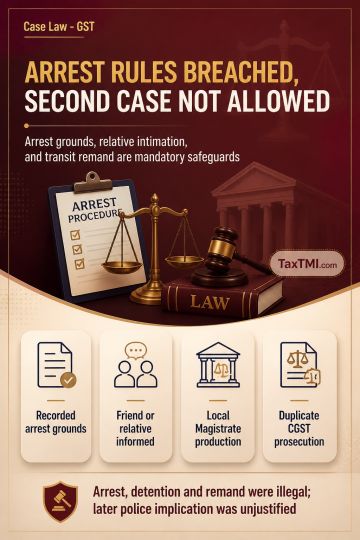
Arrest safeguards require disclosed grounds, relative intimation and transit remand, while duplicate prosecution under the CGST framework is unsustain...
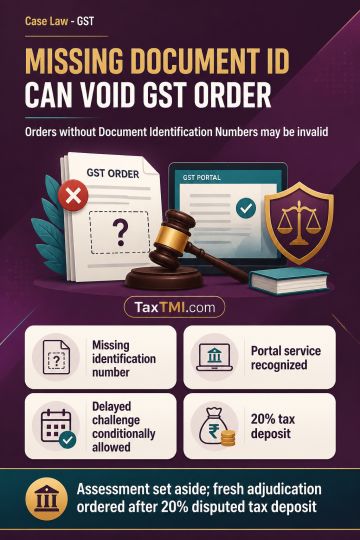
Document Identification Number defects can invalidate GST assessments, with delayed challenges entertained conditionally where patent irregularities e...
Windmill commissioning evidence supported higher depreciation where grid connection and electricity generation proved operational use before the relev...
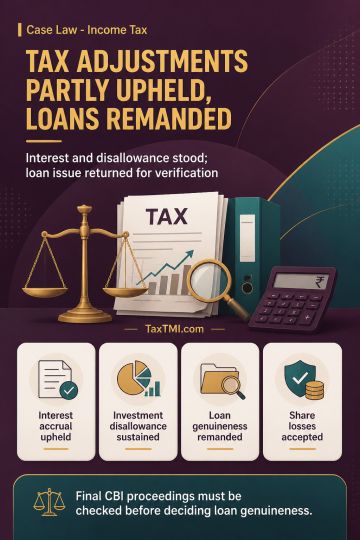
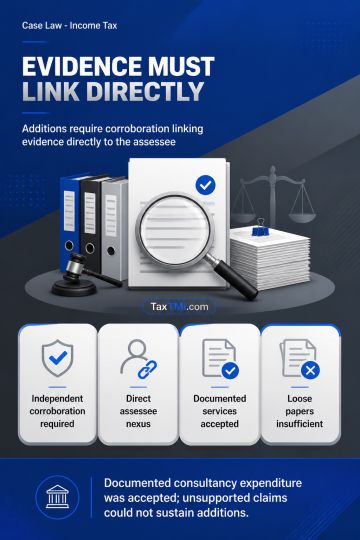
Pharmaceutical promotion and transfer-pricing comparability principles limited disallowances, while uncorroborated search allegations and unsupported ...
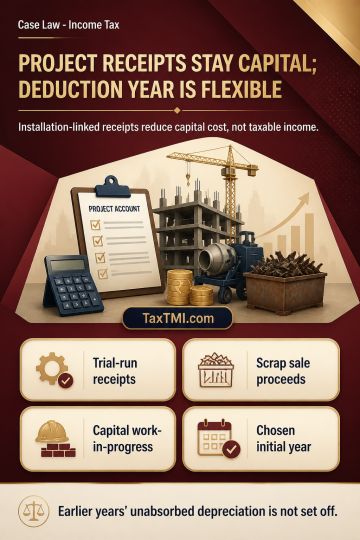
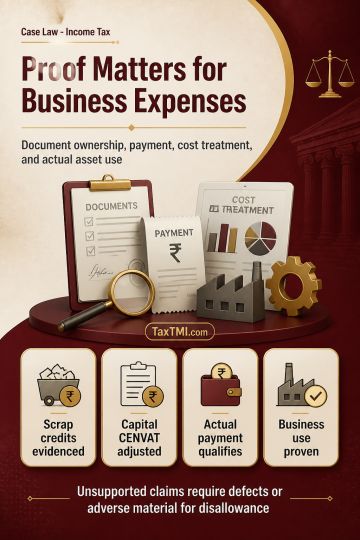
Business expenditure substantiation supports scrap credits, statutory payments and expense claims, while depreciation requires proof of actual busines...
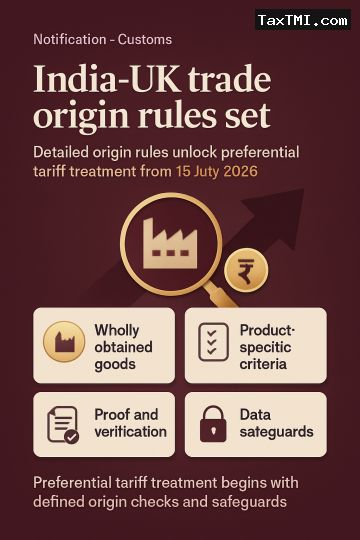
The Customs Tariff (Determination of Origin of Goods under the India-UK Comprehensive Economic and Trade Agreement) Rules, 2026 establish the origin framework for preferential tariff treatment from 15 July 2026. They define originating goods through wholly obtained status, production from originating materials, or compliance with product-specific rules in Annexure-A, and set methods for valuation, qualifying value content, cumulation, tolerance, non-alteration, proof of origin, verification, record-keeping, penalties and temporary suspension. The rules also prescribe origin declarations, certificates of origin, retrospective completion, low-value exemptions for the UK, and detailed customs verification procedures. Annexures provide product-specific origin rules, declaration templates, authentication through electronic exchange, and data protection safeguards for personal information shared for origin authentication.
The Customs Tariff (Determination of Origin of Goods under the India-UK Comprehensive Economic and Trade Agreement) Rules, 2026 establish the origin framework for preferential tariff treatment from 15 July 2026. They define originating goods through wholly obtained status, production from originating materials, or compliance with product-specific rules in Annexure-A, and set methods for valuation, qualifying value content, cumulation, tolerance, non-alteration, proof of origin, verification, record-keeping, penalties and temporary suspension. The rules also prescribe origin declarations, certificates of origin, retrospective completion, low-value exemptions for the UK, and detailed customs verification procedures. Annexures provide product-specific origin rules, declaration templates, authentication through electronic exchange, and data protection safeguards for personal information shared for origin authentication.
Note: It is a system-generated summary and is for quick reference only.
 TaxTMI
 of 4792







 Join Channel


 TaxTMI