Arrest safeguards and transit remand requirements invalidated detention following inter-State transfer without communicated grounds or magistrate auth...
Arrest safeguards require disclosed grounds, relative intimation and transit remand, while duplicate prosecution under the CGST framework is unsustain...
Document Identification Number defects can invalidate GST assessments, with delayed challenges entertained conditionally where patent irregularities e...
Windmill commissioning evidence supported higher depreciation where grid connection and electricity generation proved operational use before the relev...
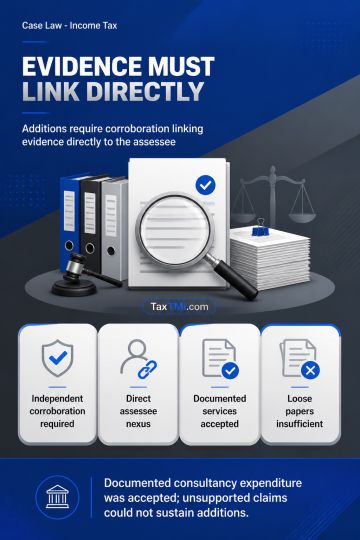
Pharmaceutical promotion and transfer-pricing comparability principles limited disallowances, while uncorroborated search allegations and unsupported ...
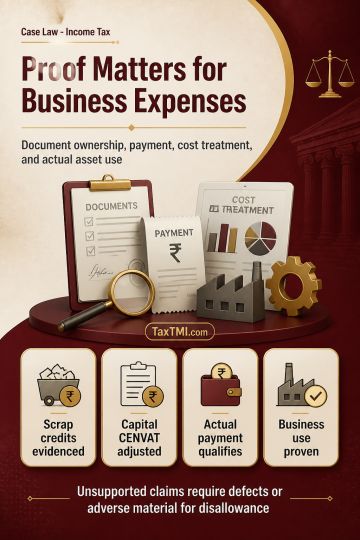
Business expenditure substantiation supports scrap credits, statutory payments and expense claims, while depreciation requires proof of actual busines...
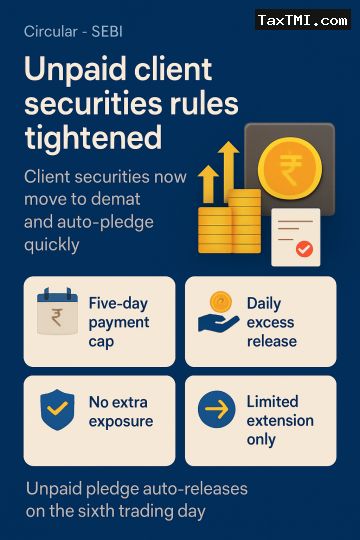
SEBI amends the Master Circular on handling unpaid client securities by trading members. For non-MTF trades, unpaid securities must be directly credited to the client's demat account and auto-pledged to a CUSPA account, with client communication on the funds obligation and TM's sale right. TMs must maintain a client-facing policy, cap the payment period at five trading days, avoid granting exposure on these securities, and release excess pledge daily. If payment is not made, the TM must invoke and liquidate the pledge with notice; if neither invoked nor released within five trading days, the pledge auto-releases on the sixth trading day. Further pledging to banks/NBFCs is prohibited, and limited extension is allowed only in specified exceptional circumstances.
SEBI amends the Master Circular on handling unpaid client securities by trading members. For non-MTF trades, unpaid securities must be directly credited to the client's demat account and auto-pledged to a CUSPA account, with client communication on the funds obligation and TM's sale right. TMs must maintain a client-facing policy, cap the payment period at five trading days, avoid granting exposure on these securities, and release excess pledge daily. If payment is not made, the TM must invoke and liquidate the pledge with notice; if neither invoked nor released within five trading days, the pledge auto-releases on the sixth trading day. Further pledging to banks/NBFCs is prohibited, and limited extension is allowed only in specified exceptional circumstances.
Note: It is a system-generated summary and is for quick reference only.
 TaxTMI
 of 4792















 Join Channel


 TaxTMI