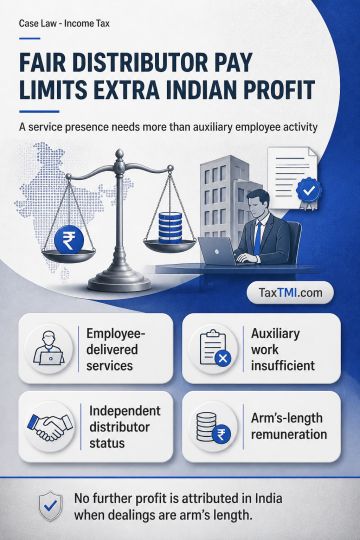
Service permanent establishment requires non-auxiliary services, while arm's-length distributor remuneration precludes further profit attribution in I...
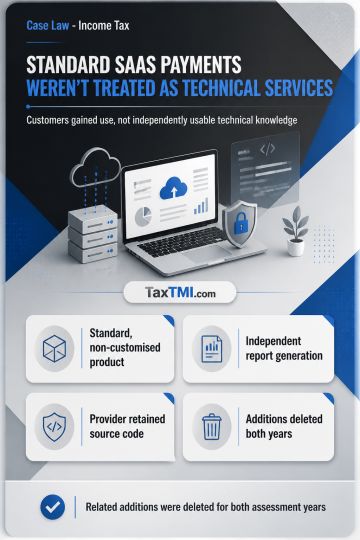
Make-available condition excludes standard SaaS subscription receipts where customers receive no independently usable technical knowledge after subscr...
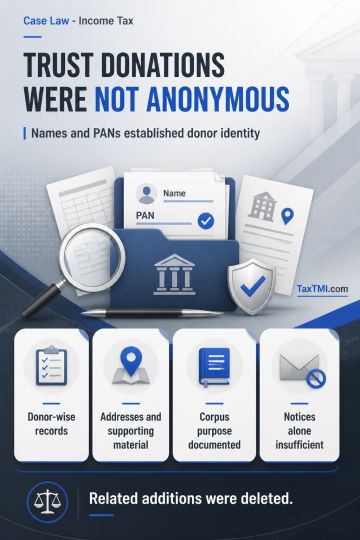
Anonymous donation classification fails where charitable trusts maintain undisputed donor identity records and evidence corpus contributions' intended...
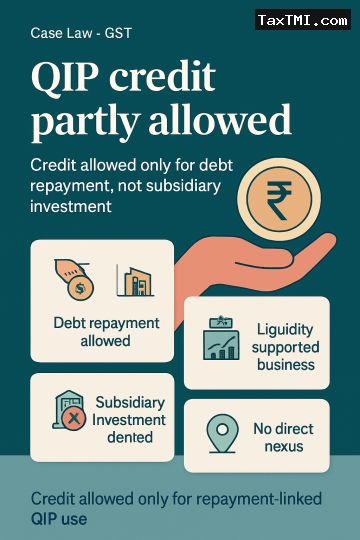
Input tax credit on QIP-related services was held admissible only to the extent the funds were used for repayment or pre-payment of borrowings, because that deployment was treated as business-related and incidental to operations under Section 16(1). The authority linked the tax credit test to the actual use of the QIP proceeds, finding a sufficient nexus where the funds reduced financial liabilities, improved liquidity, and supported business activity. By contrast, credit was denied on the portion used to invest in a wholly owned subsidiary, because the investment was an acquisition of securities by a distinct legal entity and did not create the direct nexus required with the appellant's own business.
Input tax credit on QIP-related services was held admissible only to the extent the funds were used for repayment or pre-payment of borrowings, because that deployment was treated as business-related and incidental to operations under Section 16(1). The authority linked the tax credit test to the actual use of the QIP proceeds, finding a sufficient nexus where the funds reduced financial liabilities, improved liquidity, and supported business activity. By contrast, credit was denied on the portion used to invest in a wholly owned subsidiary, because the investment was an acquisition of securities by a distinct legal entity and did not create the direct nexus required with the appellant's own business.
Note: It is a system-generated summary and is for quick reference only.
 TaxTMI







 Join Channel


 TaxTMI

