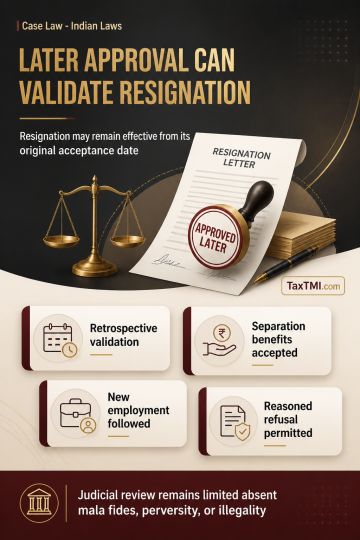
Ratification of resignation acceptance validates separation retrospectively, while withdrawal may be refused through reasoned administrative discretio...
Nature-dependent electricity contracts receive new Ind AS accounting, hedge designation, transition and financial-statement disclosure requirements fr...
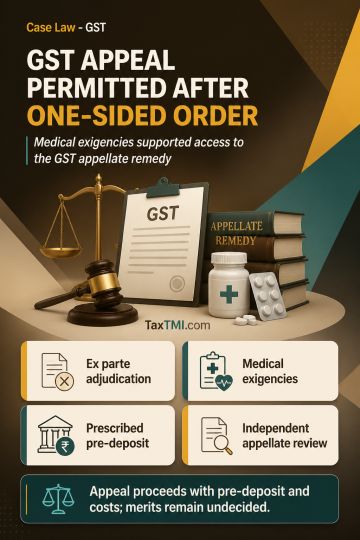
Alternative GST remedy permitted protective writ intervention for ex parte adjudication, preserving independent appellate review of input tax credit d...
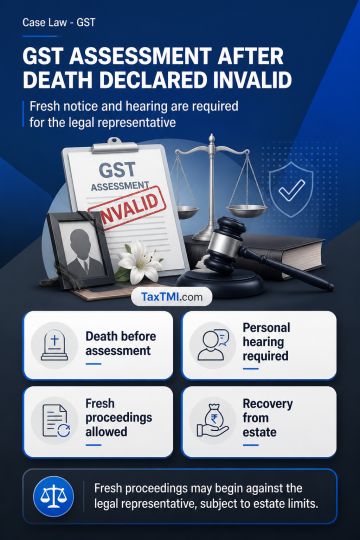
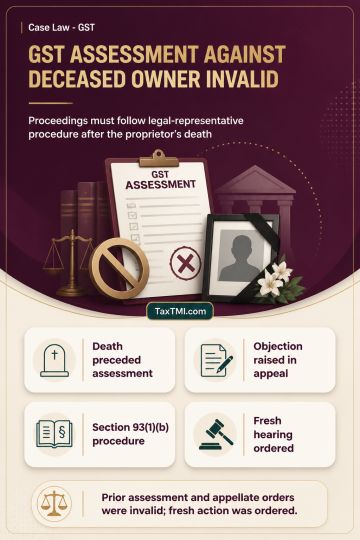
Assessment against deceased sole proprietor requires proceedings against the legal representative, rendering prior assessment and appellate orders inv...
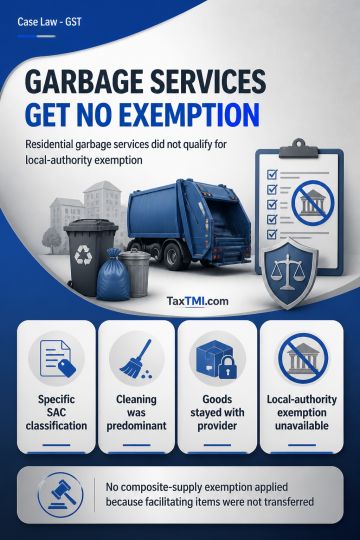
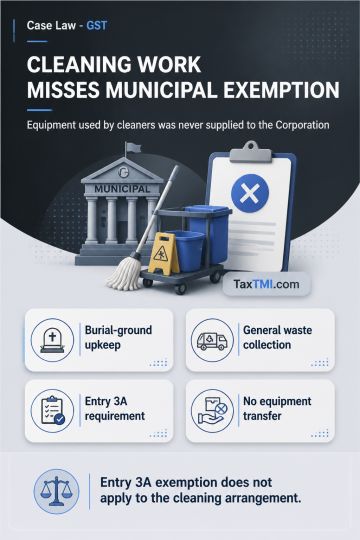
Residential waste collection classification under SAC 999423 defeats composite-supply exemption where facilitating goods are not transferred to the lo...
Page of 4800
Press 'Enter' after typing page number.
161 to 180 of 96000 Results
❮
❯
❯❯
0 / 200
Expand Note
Add to Folder
No Folders have been created
+
Are you sure you want to delete "My most important" ?
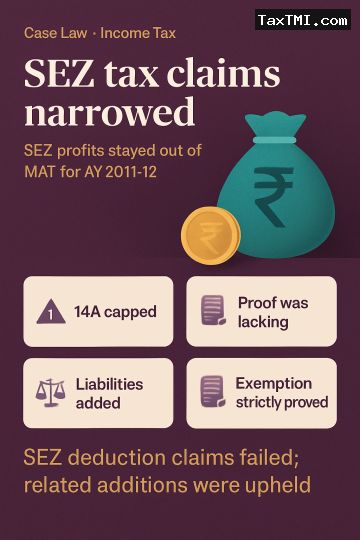
Profits of the SEZ manufacturing unit were excluded from book profit for AY 2011-12 because the withdrawal of the MAT exclusion operated prospectively from 1 April 2012. Disallowance under section 14A was confined to the amount of exempt income. Claims for deduction under section 10AA on alleged SEZ trading and manufacturing activities failed because the assessee did not produce credible evidence that the eligible operations were actually carried on, and exemption conditions had to be strictly proved. The Tribunal also upheld additions for cessation of trading liability under section 41(1) and unexplained sundry creditors under section 68 for want of proof of subsisting liabilities, identity, creditworthiness and genuineness.
Profits of the SEZ manufacturing unit were excluded from book profit for AY 2011-12 because the withdrawal of the MAT exclusion operated prospectively from 1 April 2012. Disallowance under section 14A was confined to the amount of exempt income. Claims for deduction under section 10AA on alleged SEZ trading and manufacturing activities failed because the assessee did not produce credible evidence that the eligible operations were actually carried on, and exemption conditions had to be strictly proved. The Tribunal also upheld additions for cessation of trading liability under section 41(1) and unexplained sundry creditors under section 68 for want of proof of subsisting liabilities, identity, creditworthiness and genuineness.
Note: It is a system-generated summary and is for quick reference only.
 TaxTMI
 of 4800







 Join Channel


 TaxTMI