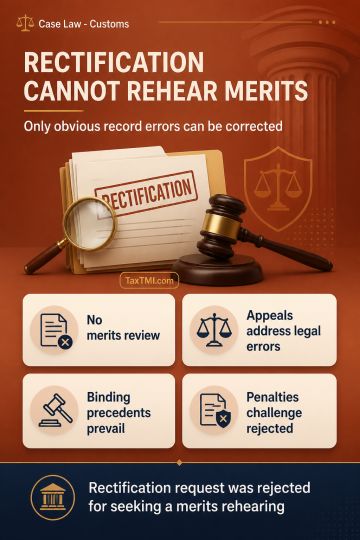
Rectification of mistake remains limited to self-evident record errors, preventing merits review through miscellaneous applications and preserving fin...
Tender creditworthiness conditions may extend to de facto Promoter Directors, with post-participation challenges generally barred absent arbitrariness...
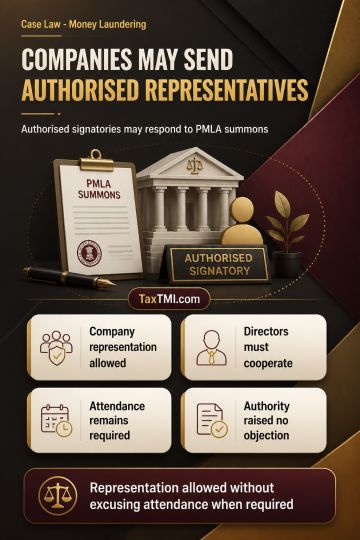
Corporate representation in PMLA summons proceedings permitted through an authorised signatory, subject to directors' continuing cooperation and atten...
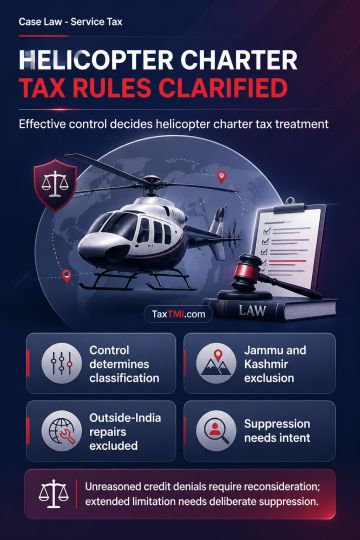
Helicopter charter classification requires effective control analysis, while territorial performance, reasoned credit orders and wilful suppression de...
Specified fund definition expands PAN exemption eligibility for registered alternative investment funds and qualifying International Financial Service...
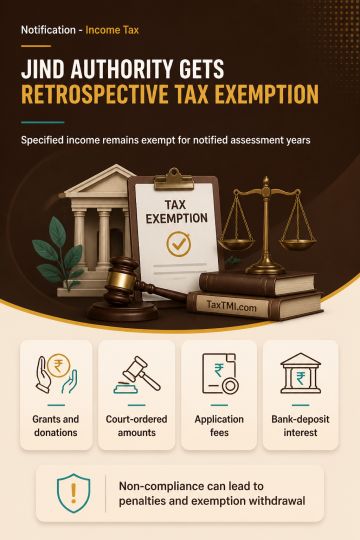
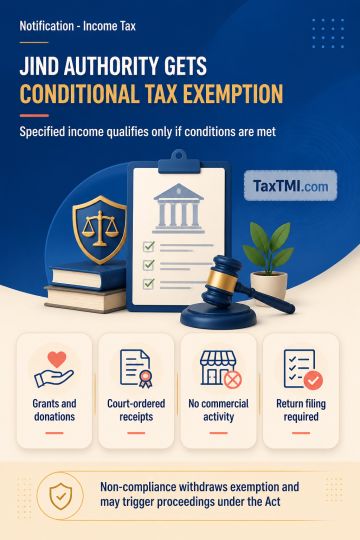
Tax exemption for specified legal-services authority income applies retrospectively, subject to non-commercial activity, unchanged income sources, and...
Page of 4792
Press 'Enter' after typing page number.
701 to 720 of 95833 Results
❮
❯
❯❯
0 / 200
Expand Note
Add to Folder
No Folders have been created
+
Are you sure you want to delete "My most important" ?
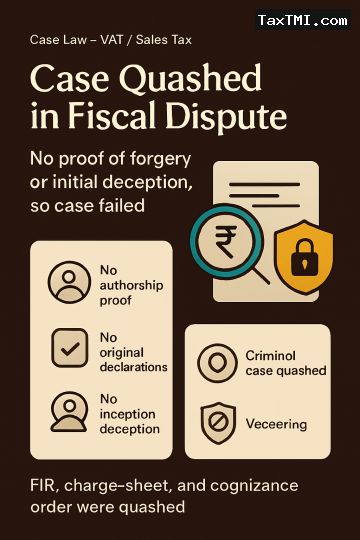
Section 482 CrPC is described as a safeguard against misuse of criminal process, but not as a licence for threshold appreciation of evidence. In a dispute arising from import, customs clearance and later fiscal proceedings, the absence of original transit declarations, forensic or handwriting material, and proof that either petitioner authored the disputed signatures meant forgery under Sections 463, 464 and 468 IPC was not disclosed. The complaint also failed to show deception at the inception of the transaction, cheating by personation or conspiracy. The criminal case was treated as an abuse of process and the FIR, charge-sheet and cognizance order were quashed.
Section 482 CrPC is described as a safeguard against misuse of criminal process, but not as a licence for threshold appreciation of evidence. In a dispute arising from import, customs clearance and later fiscal proceedings, the absence of original transit declarations, forensic or handwriting material, and proof that either petitioner authored the disputed signatures meant forgery under Sections 463, 464 and 468 IPC was not disclosed. The complaint also failed to show deception at the inception of the transaction, cheating by personation or conspiracy. The criminal case was treated as an abuse of process and the FIR, charge-sheet and cognizance order were quashed.
Note: It is a system-generated summary and is for quick reference only.
 TaxTMI
 of 4792








 Join Channel


 TaxTMI