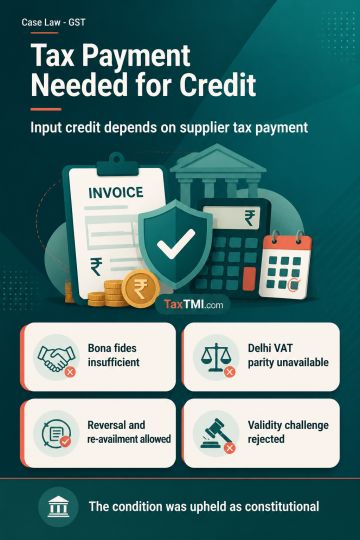
Input tax credit conditions remain constitutionally valid, with eligible recipient claims considered under GST circulars and retrospective filing dead...
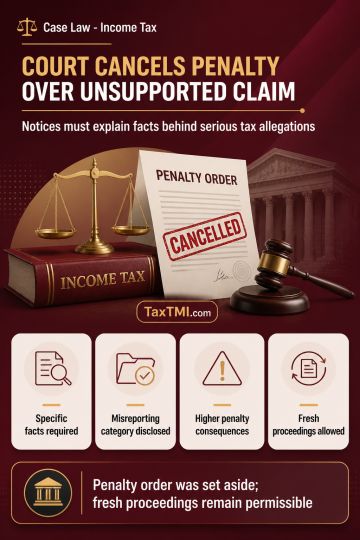
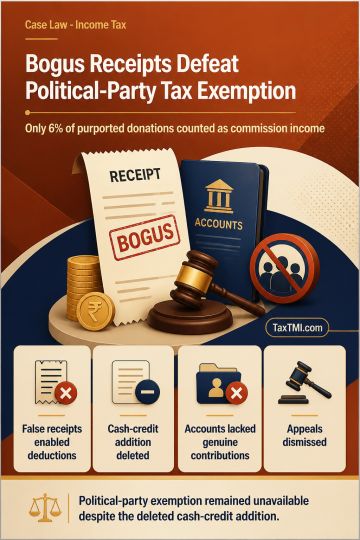
Bogus donation receipts justified commission income assessment and defeated political-party tax exemption for inaccurate accounts and reporting failur...
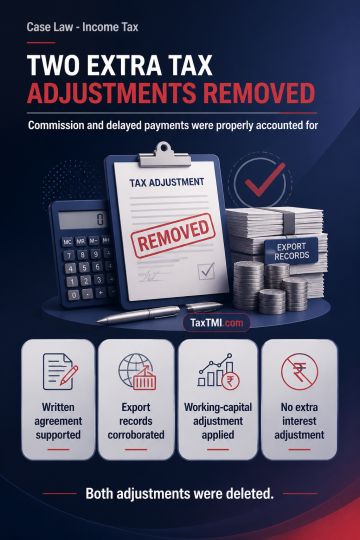
Pure reimbursement without income element escapes tax withholding, while delayed withholding and unsupported provisions face deferred or renewed scrut...
Public benefit requirement defeats charitable registration where residents' association services are reciprocal, member-only facilities governed by mu...
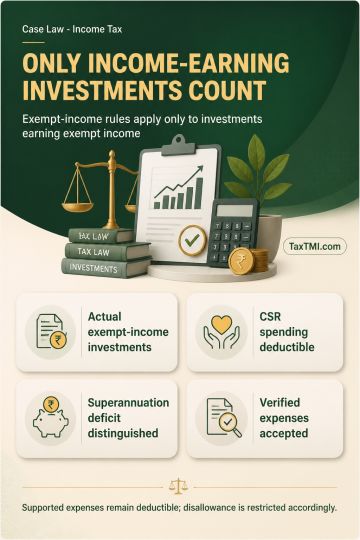
Exempt-income expenditure disallowance is confined to investments that actually generated exempt income, while supported business expenses remain dedu...
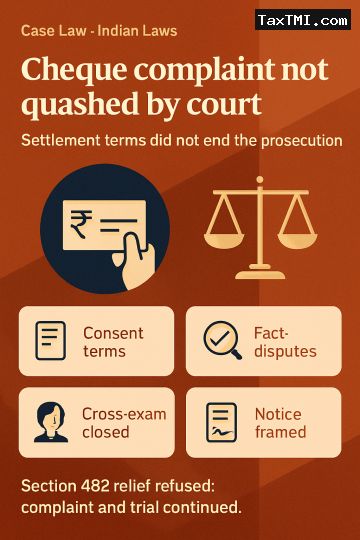
HC declined to quash a cheque dishonour complaint under the inherent jurisdiction because the consent terms prima facie suspended remedies without extinguishing the pending prosecution, and the dispute over transfer of liability and the effect of settlement raised factual and interpretive issues unsuitable for pre-trial interference. The Court distinguished settlements that subsume the original complaint and held that quashing is confined to cases where unimpeachable material completely displaces the allegations. It also upheld closure of cross-examination after repeated adjournments, rejected the challenge to framing of notice in light of counsel's submission that payment could not be made and the matter should proceed, and found no prejudice was shown in the recording of the accused's statement.
HC declined to quash a cheque dishonour complaint under the inherent jurisdiction because the consent terms prima facie suspended remedies without extinguishing the pending prosecution, and the dispute over transfer of liability and the effect of settlement raised factual and interpretive issues unsuitable for pre-trial interference. The Court distinguished settlements that subsume the original complaint and held that quashing is confined to cases where unimpeachable material completely displaces the allegations. It also upheld closure of cross-examination after repeated adjournments, rejected the challenge to framing of notice in light of counsel's submission that payment could not be made and the matter should proceed, and found no prejudice was shown in the recording of the accused's statement.
Note: It is a system-generated summary and is for quick reference only.
 TaxTMI
 of 4794












 Join Channel


 TaxTMI