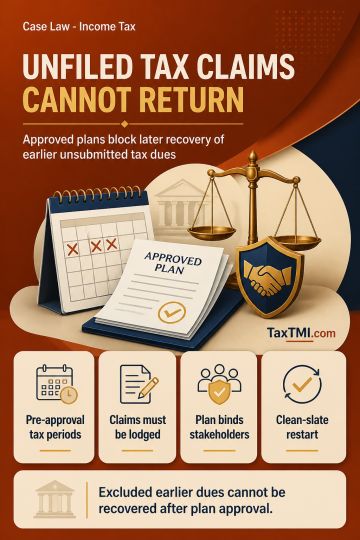
Approved resolution plans extinguish unsubmitted pre-approval tax claims, preventing later recovery outside the insolvency process and preserving a cl...
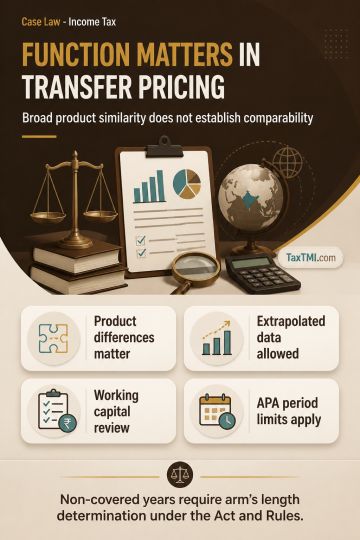
Transfer pricing comparability requires functional alignment and permits working capital adjustment, while APA margins cannot govern non-covered years...
Treaty benefit, goodwill depreciation and hedging costs: export commission disallowed, while key business deductions and depreciation claims succeeded...
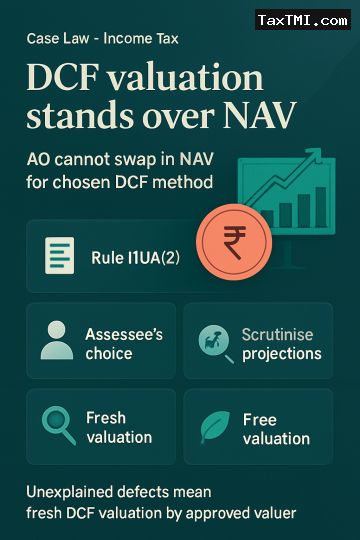
For unquoted equity shares, Rule 11UA(2) gives the assessee the choice of either the NAV method or the DCF method for fair market value, and the Assessing Officer cannot substitute NAV for the method chosen by the assessee. The AO may, however, scrutinise whether the DCF valuation is supported by reliable projections and material; where serious defects remain unexplained, the valuation as filed cannot be accepted. In that situation, the proper course is a fresh valuation by an approved valuer on the DCF basis, with the matter decided afresh in accordance with law. The same approach applies where later-year facts are identical.
For unquoted equity shares, Rule 11UA(2) gives the assessee the choice of either the NAV method or the DCF method for fair market value, and the Assessing Officer cannot substitute NAV for the method chosen by the assessee. The AO may, however, scrutinise whether the DCF valuation is supported by reliable projections and material; where serious defects remain unexplained, the valuation as filed cannot be accepted. In that situation, the proper course is a fresh valuation by an approved valuer on the DCF basis, with the matter decided afresh in accordance with law. The same approach applies where later-year facts are identical.
Note: It is a system-generated summary and is for quick reference only.
 TaxTMI
 of 4792








 Join Channel


 TaxTMI