Cooperative society deposits, member-interest TDS exemption and credit-facility deduction claims require verification through records and supporting e...
Customs jurisdiction over EPCG condition breaches survives export-obligation discharge certificates, requiring alleged fraud and misdeclaration to be ...
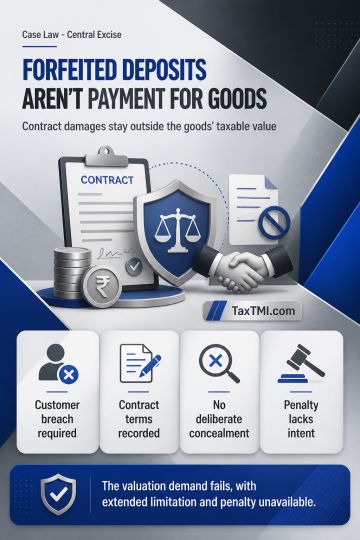
Contractual tolerance requires consideration; breach recoveries, qualifying public infrastructure services and road works escape service tax liability...
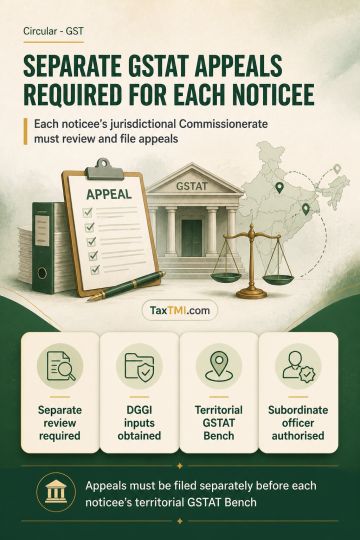
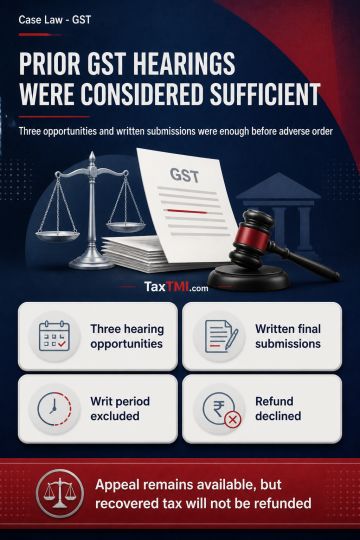
Personal hearing requirements in GST adjudication were satisfied by prior opportunities and written submissions; appellate limitation received writ-pe...
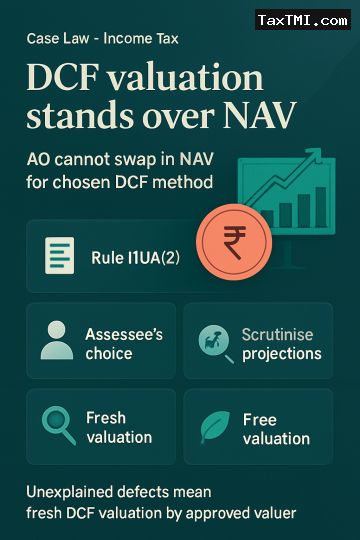
For unquoted equity shares, Rule 11UA(2) gives the assessee the choice of either the NAV method or the DCF method for fair market value, and the Assessing Officer cannot substitute NAV for the method chosen by the assessee. The AO may, however, scrutinise whether the DCF valuation is supported by reliable projections and material; where serious defects remain unexplained, the valuation as filed cannot be accepted. In that situation, the proper course is a fresh valuation by an approved valuer on the DCF basis, with the matter decided afresh in accordance with law. The same approach applies where later-year facts are identical.
For unquoted equity shares, Rule 11UA(2) gives the assessee the choice of either the NAV method or the DCF method for fair market value, and the Assessing Officer cannot substitute NAV for the method chosen by the assessee. The AO may, however, scrutinise whether the DCF valuation is supported by reliable projections and material; where serious defects remain unexplained, the valuation as filed cannot be accepted. In that situation, the proper course is a fresh valuation by an approved valuer on the DCF basis, with the matter decided afresh in accordance with law. The same approach applies where later-year facts are identical.
Note: It is a system-generated summary and is for quick reference only.
 TaxTMI
 of 4792












 Join Channel


 TaxTMI