MAT book-profit adjustments exclude disallowances for exempt-income expenditure and demerger expenditure unless expressly listed under the statutory c...
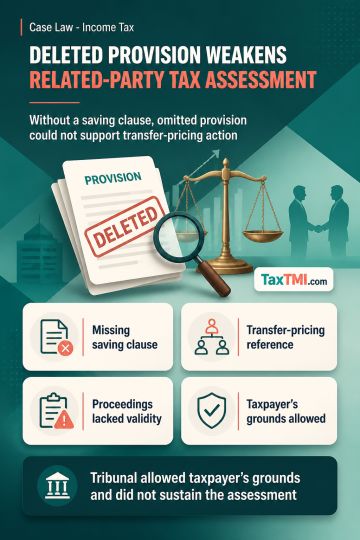
Omitted specified domestic transaction provision invalidates related-party expenditure transfer-pricing references and assessments based on consequent...
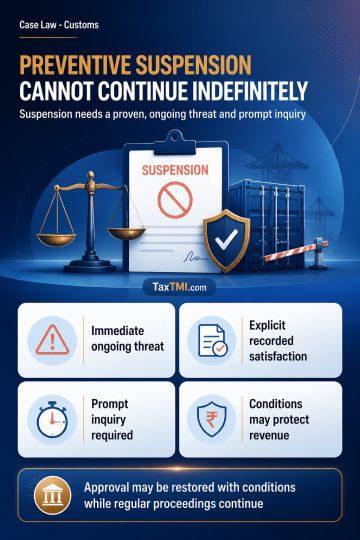
Preventive suspension requires an immediate continuing threat and cannot become indefinite without inquiry, fresh evidence, or proportionate safeguard...
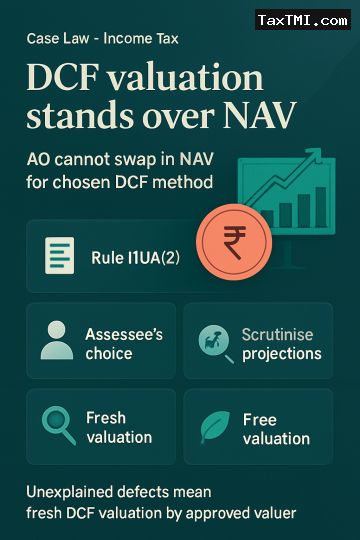
For unquoted equity shares, Rule 11UA(2) gives the assessee the choice of either the NAV method or the DCF method for fair market value, and the Assessing Officer cannot substitute NAV for the method chosen by the assessee. The AO may, however, scrutinise whether the DCF valuation is supported by reliable projections and material; where serious defects remain unexplained, the valuation as filed cannot be accepted. In that situation, the proper course is a fresh valuation by an approved valuer on the DCF basis, with the matter decided afresh in accordance with law. The same approach applies where later-year facts are identical.
For unquoted equity shares, Rule 11UA(2) gives the assessee the choice of either the NAV method or the DCF method for fair market value, and the Assessing Officer cannot substitute NAV for the method chosen by the assessee. The AO may, however, scrutinise whether the DCF valuation is supported by reliable projections and material; where serious defects remain unexplained, the valuation as filed cannot be accepted. In that situation, the proper course is a fresh valuation by an approved valuer on the DCF basis, with the matter decided afresh in accordance with law. The same approach applies where later-year facts are identical.
Note: It is a system-generated summary and is for quick reference only.
 TaxTMI
 of 4798
















 Join Channel


 TaxTMI
