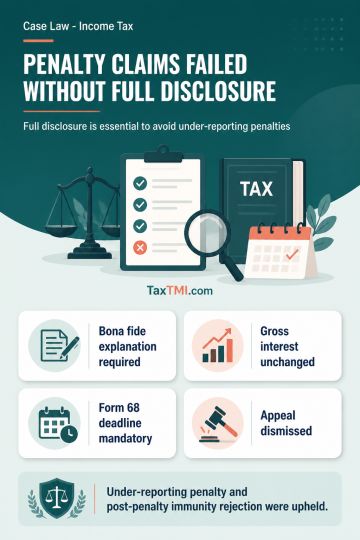
Bona fide disclosure requirements govern under-reporting penalties, and post-penalty immunity applications cannot secure available statutory protectio...
Certificate-of-origin verification procedure governs preferential customs benefits; denial without retroactive verification was set aside with consequ...
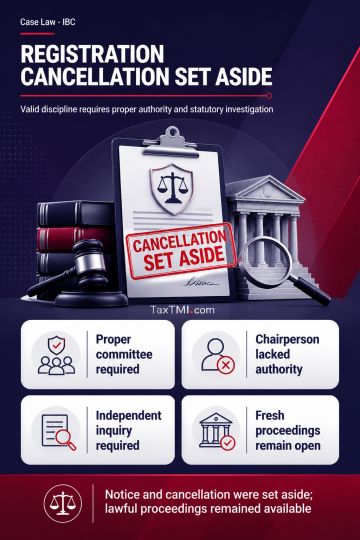
Disciplinary Committee jurisdiction and mandatory investigation requirements invalidated cancellation of an insolvency professional's registration and...
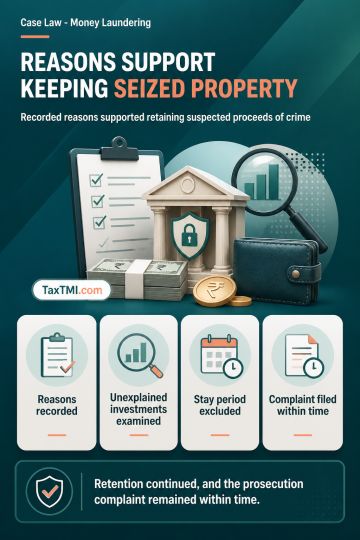
Retention of seized property survives where recorded reasons support proceeds of crime, while stayed investigation periods are excluded from limitatio...
Availability of an alternative statutory remedy did not bar writ entertainability where the challenge was confined to the legality of rejection of the statutory appeal on limitation and to computation of limitation under the CGST Act. The High Court reiterated that the doctrine of merger does not apply when a filing is rejected as time-barred without consideration on merits. It further held that time spent in bona fide rectification proceedings could be excluded on Section 14 principles, as the proceeding was pursued with due diligence and good faith, and that an appellant must be given a reasonable opportunity to explain delay before dismissal as time-barred.
Availability of an alternative statutory remedy did not bar writ entertainability where the challenge was confined to the legality of rejection of the statutory appeal on limitation and to computation of limitation under the CGST Act. The High Court reiterated that the doctrine of merger does not apply when a filing is rejected as time-barred without consideration on merits. It further held that time spent in bona fide rectification proceedings could be excluded on Section 14 principles, as the proceeding was pursued with due diligence and good faith, and that an appellant must be given a reasonable opportunity to explain delay before dismissal as time-barred.
Note: It is a system-generated summary and is for quick reference only.
 TaxTMI
 of 4792










 Join Channel


 TaxTMI
