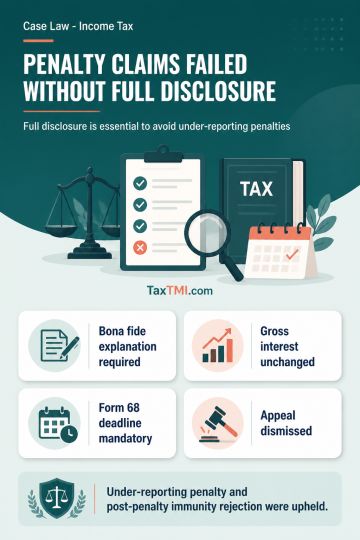
Bona fide disclosure requirements govern under-reporting penalties, and post-penalty immunity applications cannot secure available statutory protectio...
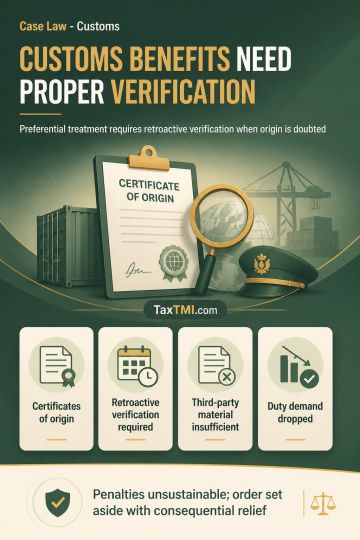
Certificate-of-origin verification procedure governs preferential customs benefits; denial without retroactive verification was set aside with consequ...
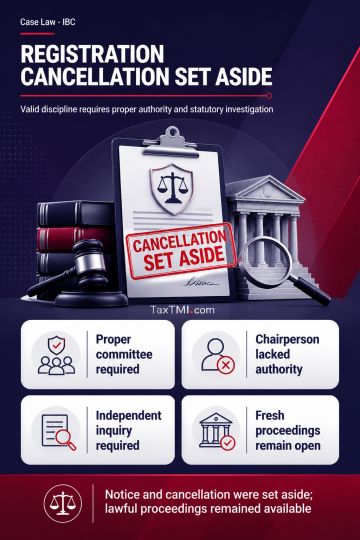
Disciplinary Committee jurisdiction and mandatory investigation requirements invalidated cancellation of an insolvency professional's registration and...
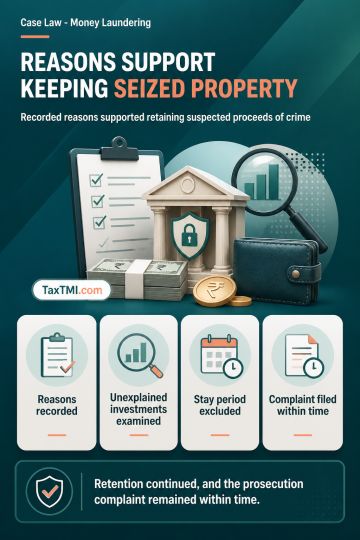
Retention of seized property survives where recorded reasons support proceeds of crime, while stayed investigation periods are excluded from limitatio...
Incidental micro-credit and financial facilitation by a charitable trust did not, by itself, negate charitable status for approval where the trust deed authorised self-help groups, micro-credit programmes and developmental initiatives. The Tribunal found no evidence of commerciality, profit-oriented conduct, surplus distribution or systematic business operations, and noted that the accounts showed no abnormal surplus while the reports reflected relief to the poor. It also relied on existing charitable registration as recognition of the trust's character. On that basis, the proviso to section 2(15) was held inapplicable and the rejection of approval was set aside.
Incidental micro-credit and financial facilitation by a charitable trust did not, by itself, negate charitable status for approval where the trust deed authorised self-help groups, micro-credit programmes and developmental initiatives. The Tribunal found no evidence of commerciality, profit-oriented conduct, surplus distribution or systematic business operations, and noted that the accounts showed no abnormal surplus while the reports reflected relief to the poor. It also relied on existing charitable registration as recognition of the trust's character. On that basis, the proviso to section 2(15) was held inapplicable and the rejection of approval was set aside.
Note: It is a system-generated summary and is for quick reference only.
 TaxTMI
 of 4792



 Join Channel


 TaxTMI
