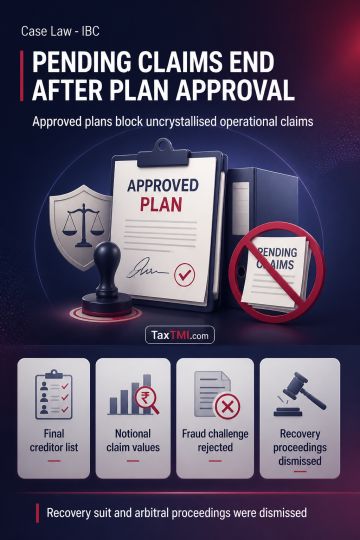
Clean slate principle extinguishes uncrystallised operational claims and bars continuation of pending recovery and arbitral proceedings after plan app...
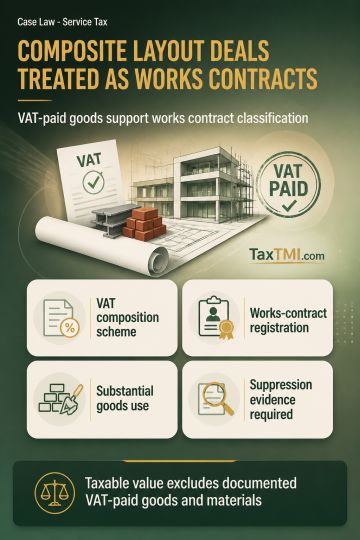
Works contract classification governs composite layout-development contracts where VAT-paid goods are transferred alongside construction and infrastru...
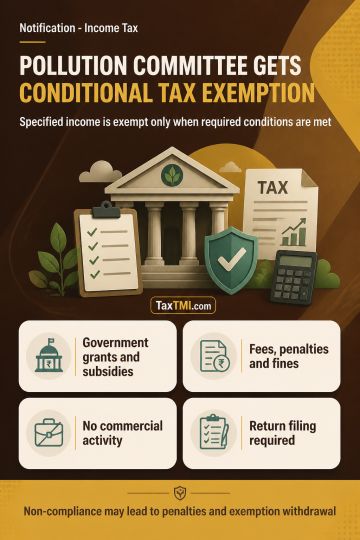
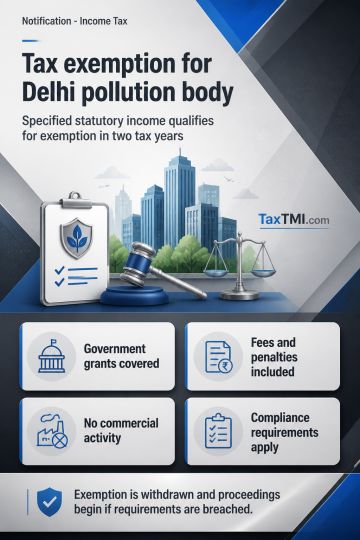
Specified income tax exemption for pollution control body remains conditional on non-commercial activity, unchanged income character, and return filin...
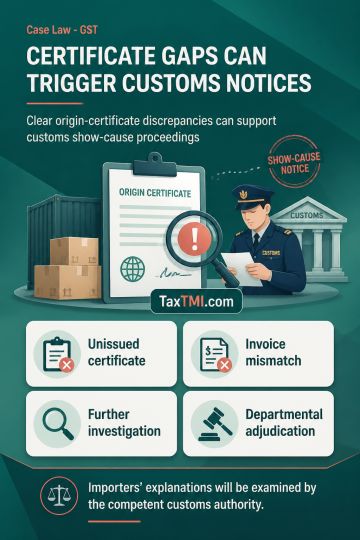
Jurisdictional facts in certificate-of-origin discrepancies can support customs show-cause proceedings, leaving factual explanations for departmental ...
Incidental micro-credit and financial facilitation by a charitable trust did not, by itself, negate charitable status for approval where the trust deed authorised self-help groups, micro-credit programmes and developmental initiatives. The Tribunal found no evidence of commerciality, profit-oriented conduct, surplus distribution or systematic business operations, and noted that the accounts showed no abnormal surplus while the reports reflected relief to the poor. It also relied on existing charitable registration as recognition of the trust's character. On that basis, the proviso to section 2(15) was held inapplicable and the rejection of approval was set aside.
Incidental micro-credit and financial facilitation by a charitable trust did not, by itself, negate charitable status for approval where the trust deed authorised self-help groups, micro-credit programmes and developmental initiatives. The Tribunal found no evidence of commerciality, profit-oriented conduct, surplus distribution or systematic business operations, and noted that the accounts showed no abnormal surplus while the reports reflected relief to the poor. It also relied on existing charitable registration as recognition of the trust's character. On that basis, the proviso to section 2(15) was held inapplicable and the rejection of approval was set aside.
Note: It is a system-generated summary and is for quick reference only.
 TaxTMI
 of 4792



 Join Channel


 TaxTMI