Composite inpatient healthcare supply may retain exemption despite MRP medicine billing, while separate taxable sale characterisation remains disputed...
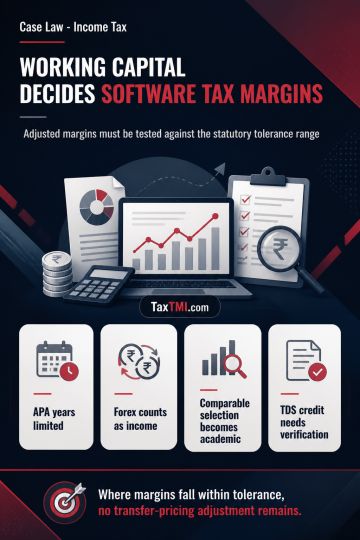
Working-capital adjustment determines whether software-services transfer-pricing margins fall within the statutory tolerance range, eliminating any ad...
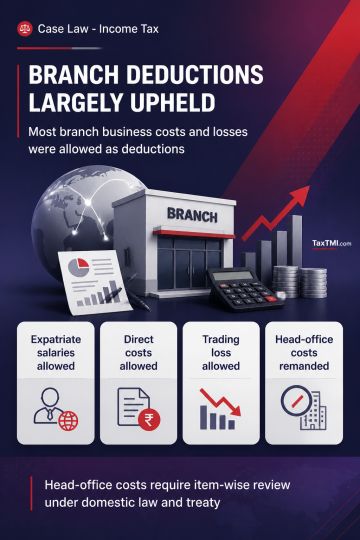
Permanent establishment deductions upheld for expatriate salaries, direct costs and trading losses, while head-office costs require fresh classificati...
Article 226(2) is discussed as extending writ jurisdiction where the cause of action spans more than one State, so judicial remedies are not defeated by territorial limits. The text explains that insolvency proceedings in Bombay and the later alienation of secured assets in Bengaluru were treated as part of the same chain of cause of action, supporting consequential directions over the properties. It also states that Sub-Registrars are statutory functionaries whose duty to implement binding judicial directions is ministerial, not discretionary, and they cannot review or disregard such orders. The article notes that mandamus was issued to compel compliance, update registration records, and deal with the concerned representations.
Article 226(2) is discussed as extending writ jurisdiction where the cause of action spans more than one State, so judicial remedies are not defeated by territorial limits. The text explains that insolvency proceedings in Bombay and the later alienation of secured assets in Bengaluru were treated as part of the same chain of cause of action, supporting consequential directions over the properties. It also states that Sub-Registrars are statutory functionaries whose duty to implement binding judicial directions is ministerial, not discretionary, and they cannot review or disregard such orders. The article notes that mandamus was issued to compel compliance, update registration records, and deal with the concerned representations.
Note: It is a system-generated summary and is for quick reference only.
 TaxTMI
 of 4792






 Join Channel



 TaxTMI