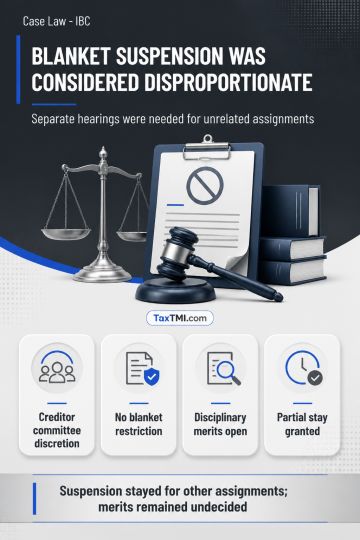
Working-capital adjustment determines whether software-services transfer-pricing margins fall within the statutory tolerance range, eliminating any ad...
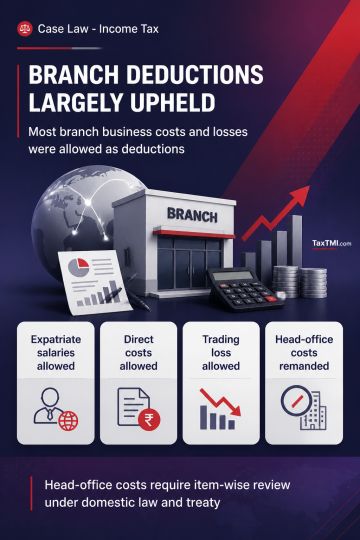
Permanent establishment deductions upheld for expatriate salaries, direct costs and trading losses, while head-office costs require fresh classificati...
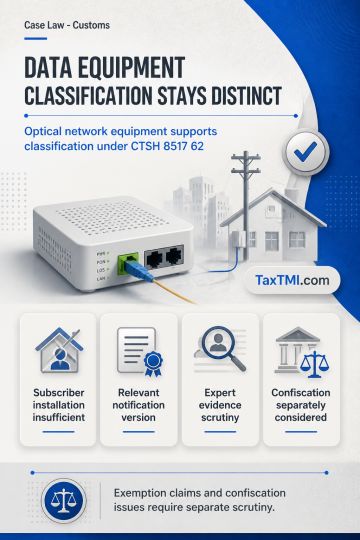
Data transmission equipment classification under CTSH 8517 62 remains distinct from residual classification, with exemption evidence requiring scrutin...
Inspection-based satisfaction was sufficient to invoke extended limitation for tax short-payment, because the notices arose from records showing discrepancies between Form 26AS and GSTR-7 and expressly referred to wilful suppression; the initiation under Section 74 was therefore upheld. At the same time, the Court found that the revenue abstract and order had erroneously treated exempted turnover as tax liability for one period and referred to the wrong period in another, so both writ petitions were remitted for fresh adjudication on merits after personal hearing and detailed replies with supporting documents.
Inspection-based satisfaction was sufficient to invoke extended limitation for tax short-payment, because the notices arose from records showing discrepancies between Form 26AS and GSTR-7 and expressly referred to wilful suppression; the initiation under Section 74 was therefore upheld. At the same time, the Court found that the revenue abstract and order had erroneously treated exempted turnover as tax liability for one period and referred to the wrong period in another, so both writ petitions were remitted for fresh adjudication on merits after personal hearing and detailed replies with supporting documents.
Note: It is a system-generated summary and is for quick reference only.
 TaxTMI
 of 4801








 Join Channel


 TaxTMI