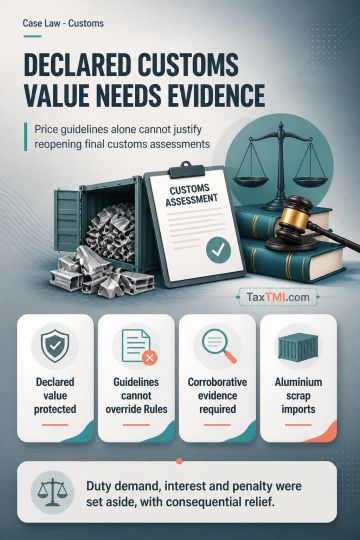
Transaction value cannot be rejected solely on non-statutory valuation guidelines without corroborative evidence supporting reassessment of final cust...
Cross-examination rights and corroborated evidence limit customs penalties for misdeclaration in genuine import transactions involving documented clea...
Tariff classification of vehicle gear components follows the specific gearing entry, displacing motor-vehicle parts classification and related liabili...
Necessary-party requirements limit impleadment of independent entities, while deferred consideration does not create an appealable adverse determinati...
Food supplement classification requires common parlance and authoritative tests, preventing treatment as proprietary Ayurvedic medicines without suppo...
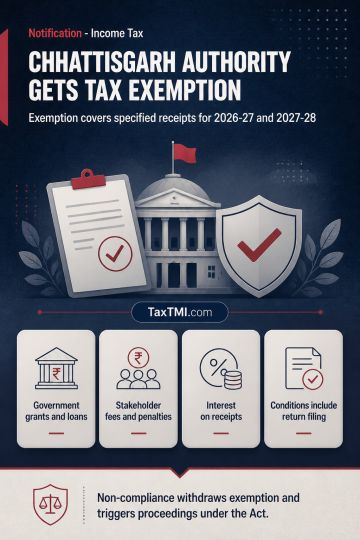
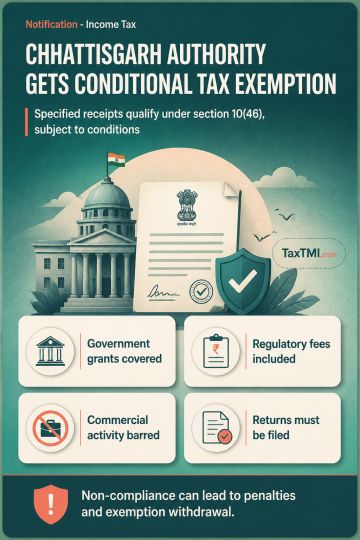
Specified regulatory authority income receives conditional tax exemption, subject to non-commercial activity, unchanged income character, and return f...
Page of 4800
Press 'Enter' after typing page number.
681 to 700 of 95999 Results
❮
❯
❯❯
0 / 200
Expand Note
Add to Folder
No Folders have been created
+
Are you sure you want to delete "My most important" ?
Inspection-based satisfaction was sufficient to invoke extended limitation for tax short-payment, because the notices arose from records showing discrepancies between Form 26AS and GSTR-7 and expressly referred to wilful suppression; the initiation under Section 74 was therefore upheld. At the same time, the Court found that the revenue abstract and order had erroneously treated exempted turnover as tax liability for one period and referred to the wrong period in another, so both writ petitions were remitted for fresh adjudication on merits after personal hearing and detailed replies with supporting documents.
Inspection-based satisfaction was sufficient to invoke extended limitation for tax short-payment, because the notices arose from records showing discrepancies between Form 26AS and GSTR-7 and expressly referred to wilful suppression; the initiation under Section 74 was therefore upheld. At the same time, the Court found that the revenue abstract and order had erroneously treated exempted turnover as tax liability for one period and referred to the wrong period in another, so both writ petitions were remitted for fresh adjudication on merits after personal hearing and detailed replies with supporting documents.
Note: It is a system-generated summary and is for quick reference only.
 TaxTMI
 of 4800




















 Join Channel


 TaxTMI
