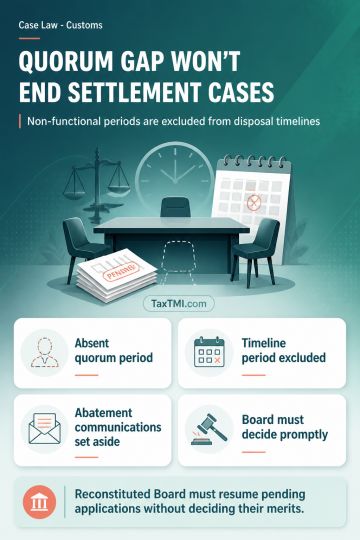
Institutional incapacity in customs settlement proceedings excludes non-functional quorum periods from statutory disposal timelines, preventing automa...
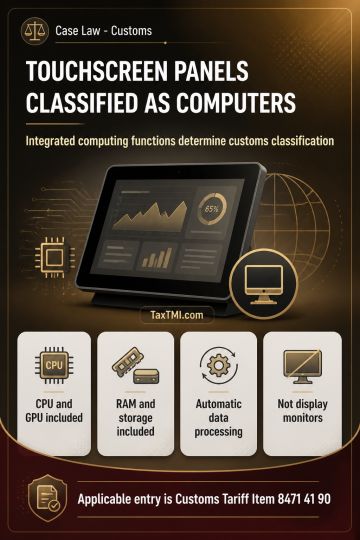
Interactive touchscreen panels with integrated computing functions fall under automatic data-processing machines rather than display monitors for cust...
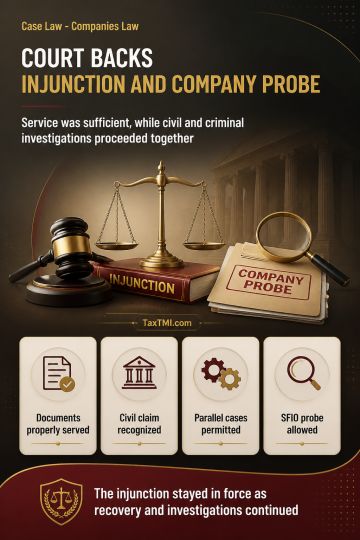
Ex parte injunction service requirements were substantially met, while civil recovery and SFIO investigation into provident fund defalcation continued...
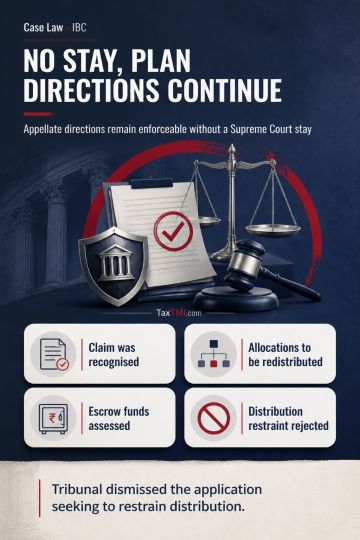
Enforcement of resolution-plan directions continues without a Supreme Court stay, preventing suspension of redistribution and escrowed-fund distributi...
Third-party ownership claims over attached property require Special Court adjudication where purchasers lack registered sale deeds and bona fides rema...
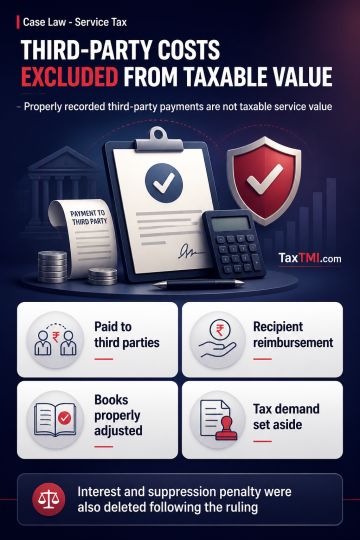
Pure-agent reimbursements in clearing and forwarding services are excluded from taxable value when qualifying third-party payments are properly record...
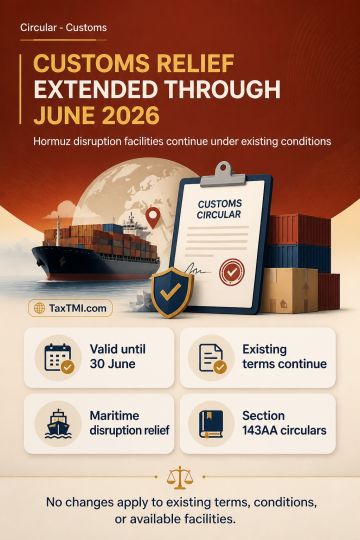
Customs relief for Strait of Hormuz maritime disruptions remains available, with existing conditions continuing unchanged through the extended validit...
Refusal to condone delay in filing the appeal against an intimation under Section 143(1) was upheld because the assessee had knowledge of the outstanding demand from the refund-adjustment communication and had even sought revision against that demand; the appellate authorities' concurrent factual findings that the appeal was time-barred and the delay remained unexplained showed no perversity or legal infirmity, so no substantial question of law arose under Section 260A. The assessee's claim for exemption of long-term capital gains on sale of shares was not examined on merits because the appellate remedy itself had failed on limitation. The rectification grievance was treated as an independent statutory remedy and left open.
Refusal to condone delay in filing the appeal against an intimation under Section 143(1) was upheld because the assessee had knowledge of the outstanding demand from the refund-adjustment communication and had even sought revision against that demand; the appellate authorities' concurrent factual findings that the appeal was time-barred and the delay remained unexplained showed no perversity or legal infirmity, so no substantial question of law arose under Section 260A. The assessee's claim for exemption of long-term capital gains on sale of shares was not examined on merits because the appellate remedy itself had failed on limitation. The rectification grievance was treated as an independent statutory remedy and left open.
Note: It is a system-generated summary and is for quick reference only.
 TaxTMI
 of 4788






 Join Channel


 TaxTMI