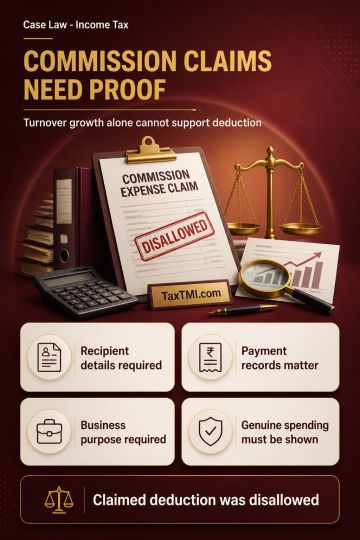
Business expenditure deduction requires proof of genuine commission payments and commercial allowability; turnover growth alone cannot validate the cl...
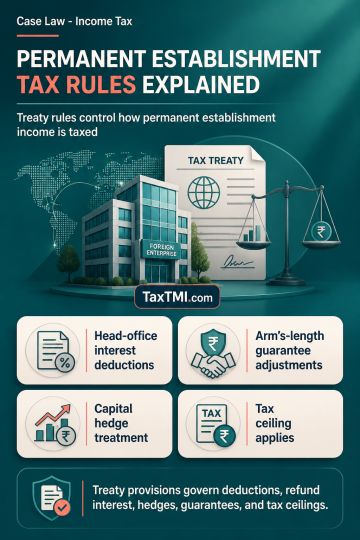
Article 8 treaty coverage excluded third-party airline support services, while documented demonetisation cash receipts remained accepted business inco...
Functional comparability under TNMM requires highway contract benchmarks to reflect operation, maintenance and transfer activities, requiring fresh be...
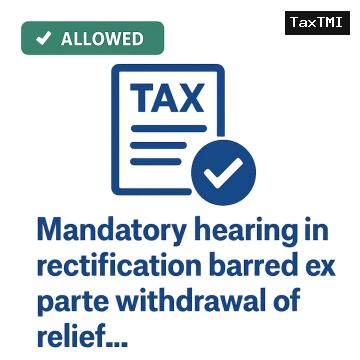
In rectification proceedings, an adverse variation withdrawing relief could not be made ex parte: the Tribunal noted that no notice was issued and that the mandatory opportunity of hearing under section 154(3) was not complied with, so the rectification was void ab initio and set aside. The Tribunal also held that section 154 is confined to correcting a patent mistake apparent from the record and cannot be used to reconsider or reverse a concluded appellate view; where the earlier appellate decision had already favoured the assessee, the later rectification amounted to an impermissible review rather than rectification. The appeal was allowed and the impugned rectification was held unsustainable.
In rectification proceedings, an adverse variation withdrawing relief could not be made ex parte: the Tribunal noted that no notice was issued and that the mandatory opportunity of hearing under section 154(3) was not complied with, so the rectification was void ab initio and set aside. The Tribunal also held that section 154 is confined to correcting a patent mistake apparent from the record and cannot be used to reconsider or reverse a concluded appellate view; where the earlier appellate decision had already favoured the assessee, the later rectification amounted to an impermissible review rather than rectification. The appeal was allowed and the impugned rectification was held unsustainable.
Note: It is a system-generated summary and is for quick reference only.
 TaxTMI
 of 4805





 Join Channel


 TaxTMI