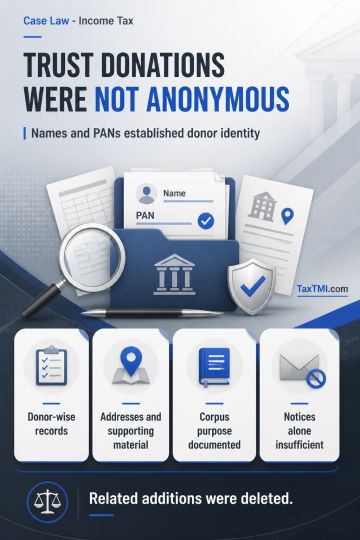
Anonymous donation classification fails where charitable trusts maintain undisputed donor identity records and evidence corpus contributions' intended...
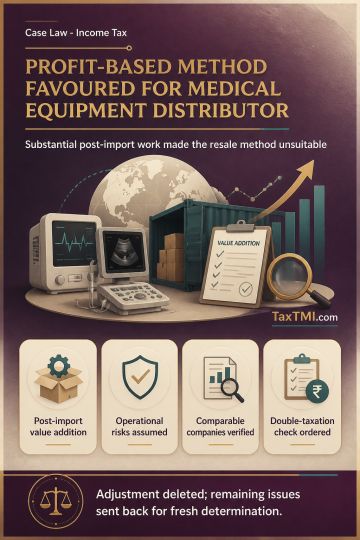
Transfer pricing method selection favours TNMM where medical-equipment distribution involves substantial post-import value addition and operational ri...
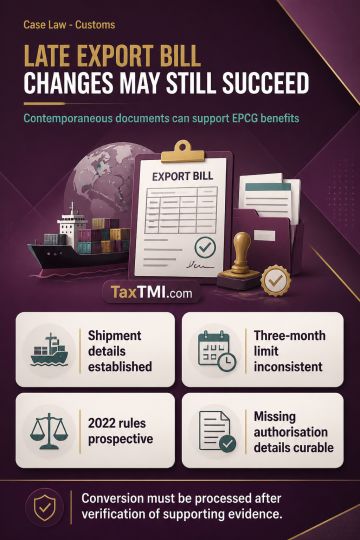
Post-export shipping bill conversion remains available where contemporaneous evidence supports EPCG benefits despite curable procedural omissions and ...
Section 9D was treated as a mandatory safeguard for using investigation statements in adjudication, requiring witness examination, recorded satisfaction for dispensing with it, and an opportunity for cross-examination; the statements were therefore inadmissible. Section 36B was also held to be a complete code for computer-derived records, and the absence of the required certificate and foundational proof made the seized papers and charts inadmissible. As no independent corroborative evidence established clandestine manufacture or removal, the duty demand, interest and equal penalty could not stand and were set aside.
Section 9D was treated as a mandatory safeguard for using investigation statements in adjudication, requiring witness examination, recorded satisfaction for dispensing with it, and an opportunity for cross-examination; the statements were therefore inadmissible. Section 36B was also held to be a complete code for computer-derived records, and the absence of the required certificate and foundational proof made the seized papers and charts inadmissible. As no independent corroborative evidence established clandestine manufacture or removal, the duty demand, interest and equal penalty could not stand and were set aside.
Note: It is a system-generated summary and is for quick reference only.
 TaxTMI
 of 4805










 Join Channel


 TaxTMI
