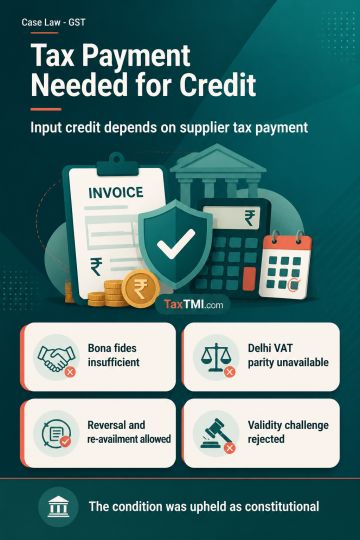
Input tax credit conditions remain constitutionally valid, with eligible recipient claims considered under GST circulars and retrospective filing dead...
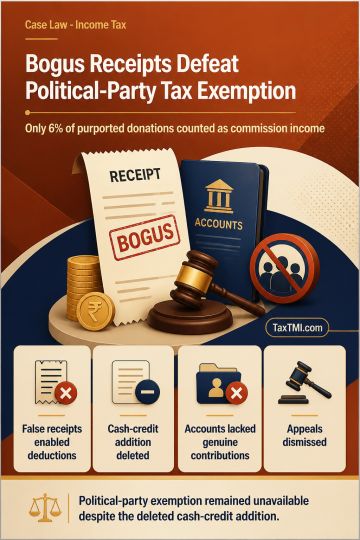
Bogus donation receipts justified commission income assessment and defeated political-party tax exemption for inaccurate accounts and reporting failur...
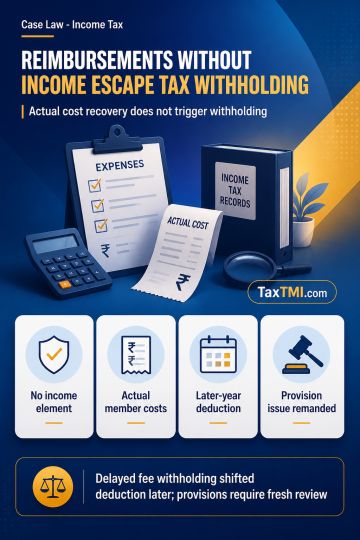
Pure reimbursement without income element escapes tax withholding, while delayed withholding and unsupported provisions face deferred or renewed scrut...
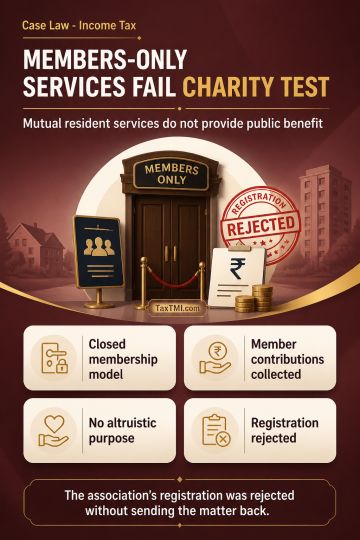
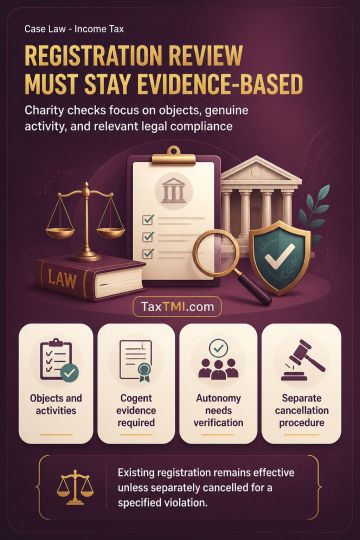
Public benefit requirement defeats charitable registration where residents' association services are reciprocal, member-only facilities governed by mu...
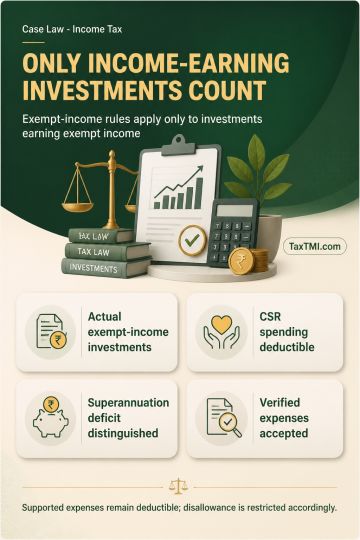
Exempt-income expenditure disallowance is confined to investments that actually generated exempt income, while supported business expenses remain dedu...
GST notifications issued under Sections 9 and 11 operate as subordinate legislation and cannot travel beyond the GST Council's recommendation. The HC held that the impugned notifications were ultra vires only to the extent they added the expression "enforceable right in a court of law", because that phrase went beyond the recommendation's reference to an actionable claim; the remaining part of the notifications stayed valid. It further held that the GST Council has no constitutional power of ratification under Article 279A, so the 22nd meeting could not cure the unsupported addition and was without jurisdiction. The writ petitions were allowed and notices founded on the invalid part were set aside, with liberty to issue fresh notices in line with the sustained notifications.
GST notifications issued under Sections 9 and 11 operate as subordinate legislation and cannot travel beyond the GST Council's recommendation. The HC held that the impugned notifications were ultra vires only to the extent they added the expression "enforceable right in a court of law", because that phrase went beyond the recommendation's reference to an actionable claim; the remaining part of the notifications stayed valid. It further held that the GST Council has no constitutional power of ratification under Article 279A, so the 22nd meeting could not cure the unsupported addition and was without jurisdiction. The writ petitions were allowed and notices founded on the invalid part were set aside, with liberty to issue fresh notices in line with the sustained notifications.
Note: It is a system-generated summary and is for quick reference only.
 TaxTMI
 of 4794



 Join Channel


 TaxTMI