Tax exemption for regulatory authority income applies retrospectively, subject to non-commercial activity, unchanged income sources, and return filing...
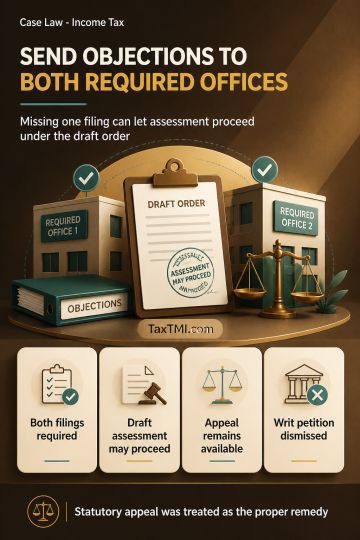
Dispute Resolution Panel objections must reach both prescribed forums; otherwise assessment may proceed and statutory appeal remains the proper remedy...
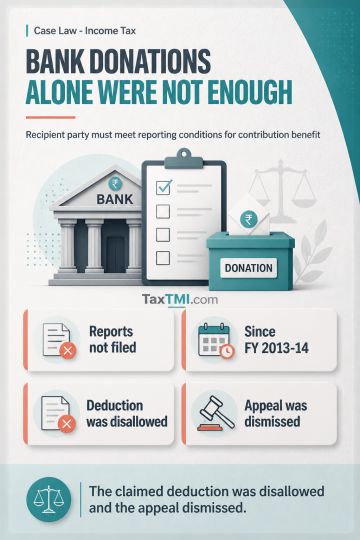
Political contribution deductions require recipient party compliance with contribution-reporting conditions; banking-channel donations alone do not qu...
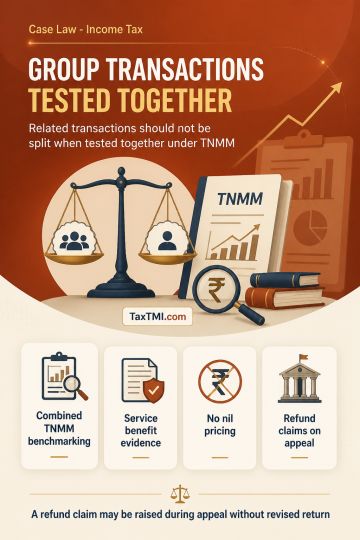
Aggregation under TNMM prevents selective testing of intra-group services without comparable uncontrolled transactions, while appellate additional cla...
Page of 4790
Press 'Enter' after typing page number.
421 to 440 of 95794 Results
❮
❯
❯❯
0 / 200
Expand Note
Add to Folder
No Folders have been created
+
Are you sure you want to delete "My most important" ?
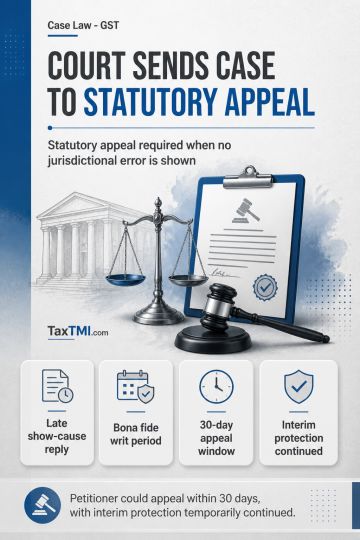
Writ interference with a GST show cause notice and adjudication order was declined because an efficacious statutory appeal was available and no breach of natural justice or statutory provision was shown. The petitioner had participated in the proceedings, filed replies, and had not raised before adjudication the plea that only part of the notice was served. The reference to 2021 in the relied-upon documents was accepted as an inadvertent typographical error, as the demand related to October 2018 to November 2019. The order in original covered the relevant periods and showed that the petitioner had sufficient opportunity of hearing; the disputed factual issues were left to the appellate authority.
Writ interference with a GST show cause notice and adjudication order was declined because an efficacious statutory appeal was available and no breach of natural justice or statutory provision was shown. The petitioner had participated in the proceedings, filed replies, and had not raised before adjudication the plea that only part of the notice was served. The reference to 2021 in the relied-upon documents was accepted as an inadvertent typographical error, as the demand related to October 2018 to November 2019. The order in original covered the relevant periods and showed that the petitioner had sufficient opportunity of hearing; the disputed factual issues were left to the appellate authority.
Note: It is a system-generated summary and is for quick reference only.
 TaxTMI
 of 4790











 Join Channel


 TaxTMI