Prolonged sterilisation of development rights supports capital-gains treatment, while business-income disallowances cannot govern capital-gains comput...
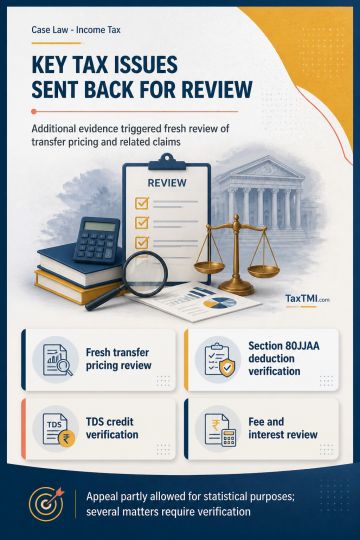
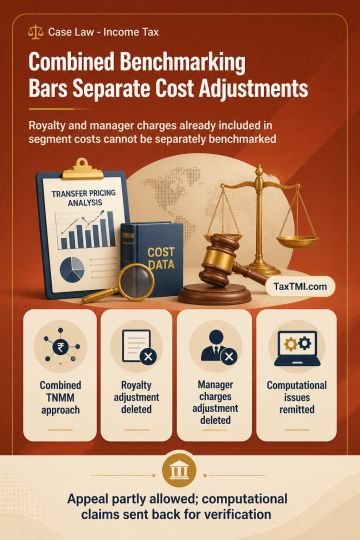
Additional evidence in transfer pricing dispute leads to fresh examination, while tax deductions, TDS credit, fee and refund interest require verifica...
Category II AIF pass-through taxation preserves non-business income character; investment receipts cannot be reclassified without applying recognised ...
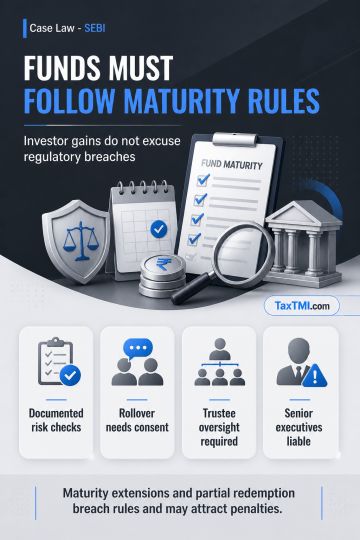
Mutual fund maturity rules require proper rollover, redemption, disclosure, and due diligence; investor gains cannot excuse regulatory breaches or pen...
Threshold exemption excludes exempt services, while stamp-paper purchases avoid reverse charge; consequential service tax penalties were also set asid...
Penalty liability of firm partners for fraudulent input tax credit was upheld where the adjudicating authority linked them, through their own statements, WhatsApp chats and other electronic material, to fake invoices, fake e-way bills and hawala routing of funds. The High Court held that the order was a reasoned adjudication and that the findings showed the firm's affairs were carried on with the petitioners' knowledge and consent, bringing them within the liability contemplated under Section 122(1A). The challenge based on breach of natural justice failed, Kranti Associates was held inapplicable, and no case for interference under Article 226 was made out. The writ petition was rejected.
Penalty liability of firm partners for fraudulent input tax credit was upheld where the adjudicating authority linked them, through their own statements, WhatsApp chats and other electronic material, to fake invoices, fake e-way bills and hawala routing of funds. The High Court held that the order was a reasoned adjudication and that the findings showed the firm's affairs were carried on with the petitioners' knowledge and consent, bringing them within the liability contemplated under Section 122(1A). The challenge based on breach of natural justice failed, Kranti Associates was held inapplicable, and no case for interference under Article 226 was made out. The writ petition was rejected.
Note: It is a system-generated summary and is for quick reference only.
 TaxTMI
 of 4792















 Join Channel



 TaxTMI
