Transaction value rejection requires reliable corroboration; refundable VAT is excluded and temporary registration does not defeat new-vehicle exempti...
Appellate jurisdiction remains available where a wrist-worn gold ornament cannot conclusively be characterised as imported baggage at the preliminary ...
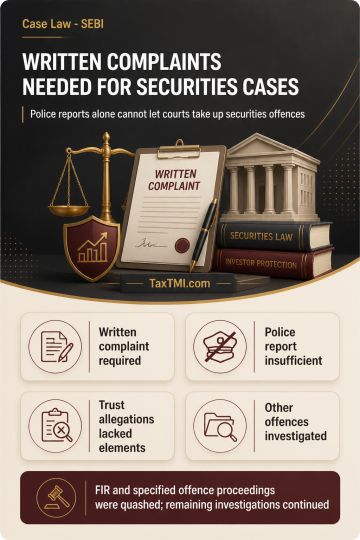
Written complaint requirement bars cognizance on police reports for securities offences, while unsupported breach of trust and cheating allegations fa...
Risk-based postal import clearance standardises electronic assessment, document requests, duty realisation and delivery controls at Foreign Post Offic...
Customs Cargo Service Provider appointment extends custodianship to additional terminal land, subject to cargo-control, security and licence condition...
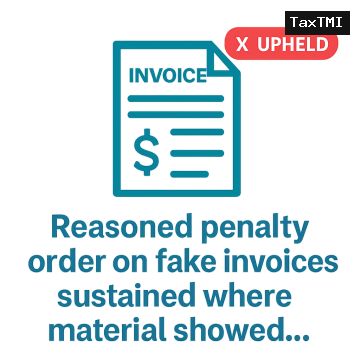
Penalty liability of firm partners for fraudulent input tax credit was upheld where the adjudicating authority linked them, through their own statements, WhatsApp chats and other electronic material, to fake invoices, fake e-way bills and hawala routing of funds. The High Court held that the order was a reasoned adjudication and that the findings showed the firm's affairs were carried on with the petitioners' knowledge and consent, bringing them within the liability contemplated under Section 122(1A). The challenge based on breach of natural justice failed, Kranti Associates was held inapplicable, and no case for interference under Article 226 was made out. The writ petition was rejected.
Penalty liability of firm partners for fraudulent input tax credit was upheld where the adjudicating authority linked them, through their own statements, WhatsApp chats and other electronic material, to fake invoices, fake e-way bills and hawala routing of funds. The High Court held that the order was a reasoned adjudication and that the findings showed the firm's affairs were carried on with the petitioners' knowledge and consent, bringing them within the liability contemplated under Section 122(1A). The challenge based on breach of natural justice failed, Kranti Associates was held inapplicable, and no case for interference under Article 226 was made out. The writ petition was rejected.
Note: It is a system-generated summary and is for quick reference only.
 TaxTMI
 of 4784








 Join Channel


 TaxTMI