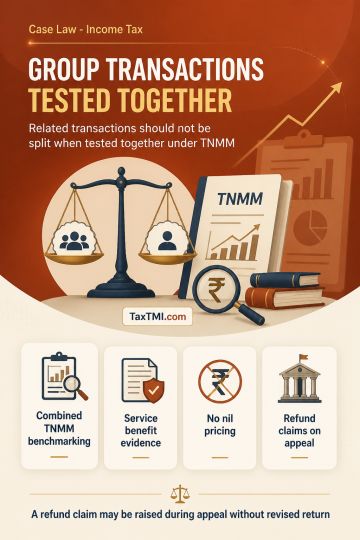
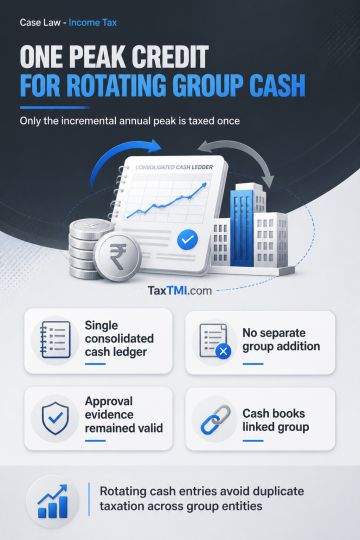
Aggregation under TNMM prevents selective testing of intra-group services without comparable uncontrolled transactions, while appellate additional cla...
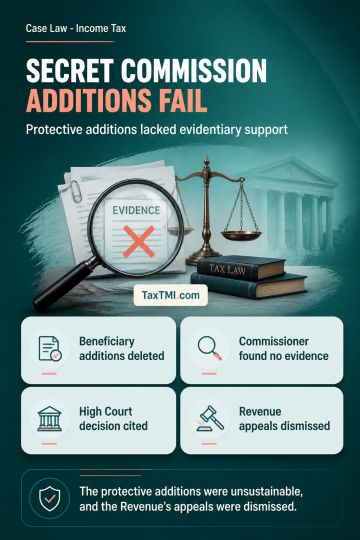
Protective assessment cannot duplicate identical receipts under competing characterisations; remote services did not establish a taxable permanent est...
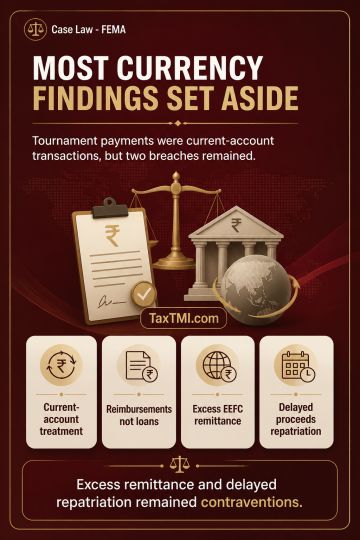
Current account treatment of overseas tournament services removed most FEMA findings, but excess EEFC remittance and delayed repatriation remained bre...
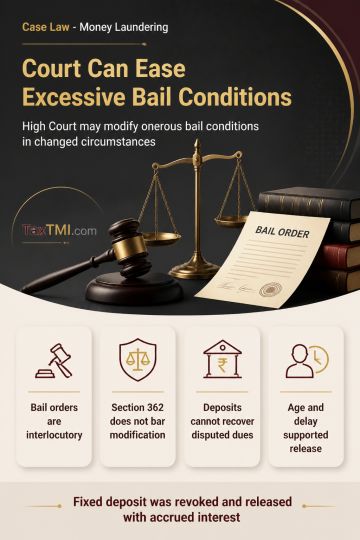
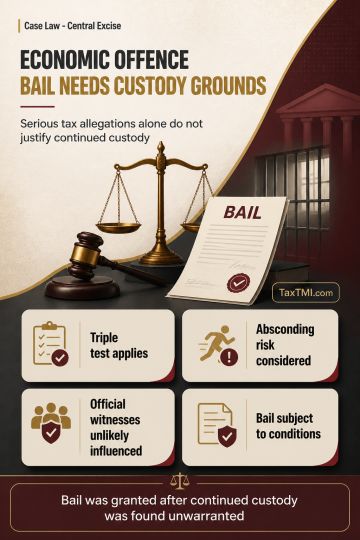
Modification of bail conditions remains available through inherent jurisdiction where onerous deposits undermine justice and cannot recover disputed d...
Merchant banker regulation consolidates registration, governance, capital, reporting, outsourcing and investor-protection requirements under an update...
After export and assessment of shipping bills, reassessment is unavailable except through recognised legal modes such as appeal, finalisation of provisional assessment, exporter-requested amendment, or correction of clerical error; the declared value and description in already exported goods cannot be reopened. The note further states that DEPB credit is linked to FOB value and transaction value, so customs redetermination of assessable value does not justify denial of DEPB benefit or recovery of duty through used scrips. It also explains that goods already exported fall outside confiscation powers for export goods, and that penalties fail when the underlying duty demand is unsustainable or when false declaration is not established.
After export and assessment of shipping bills, reassessment is unavailable except through recognised legal modes such as appeal, finalisation of provisional assessment, exporter-requested amendment, or correction of clerical error; the declared value and description in already exported goods cannot be reopened. The note further states that DEPB credit is linked to FOB value and transaction value, so customs redetermination of assessable value does not justify denial of DEPB benefit or recovery of duty through used scrips. It also explains that goods already exported fall outside confiscation powers for export goods, and that penalties fail when the underlying duty demand is unsustainable or when false declaration is not established.
Note: It is a system-generated summary and is for quick reference only.
 TaxTMI
 of 4798











 Join Channel


 TaxTMI