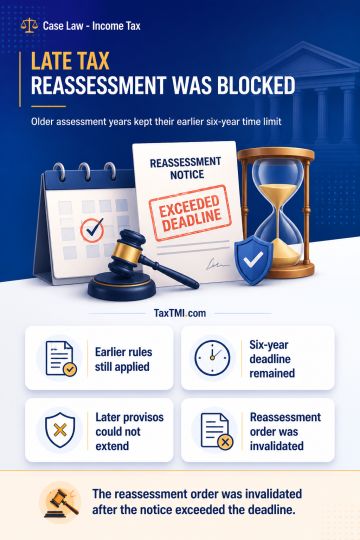
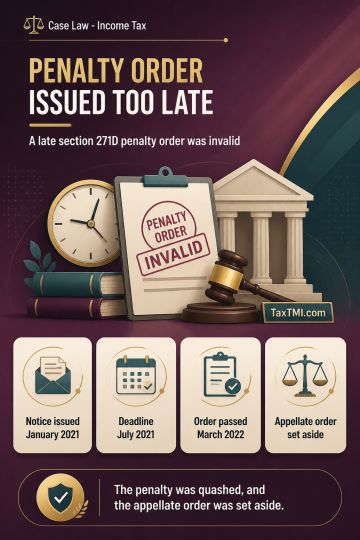
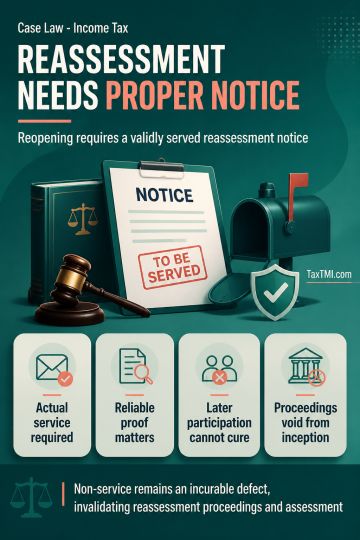
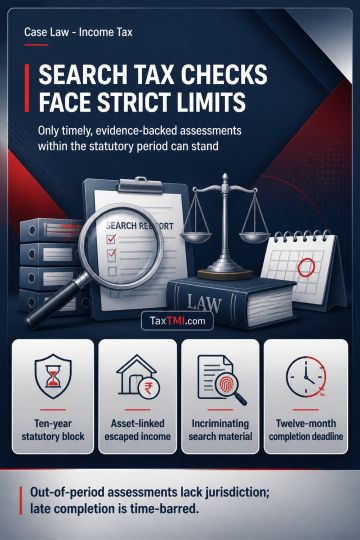
Pre-amendment reassessment limitation bars late notices under the preserved regime, invalidating consequential reassessment for affected earlier asses...
Cash-sales explanations for bank deposits require documentary reconciliation; reassessment notice survived where effective response time was available...
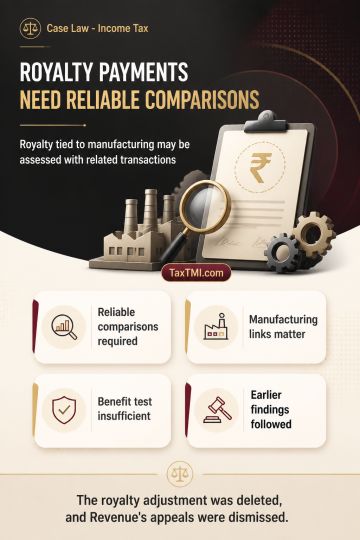
Functional comparability in transfer pricing prevents ad hoc arm's length adjustments where functions, assets, risks and reliable comparables are unes...
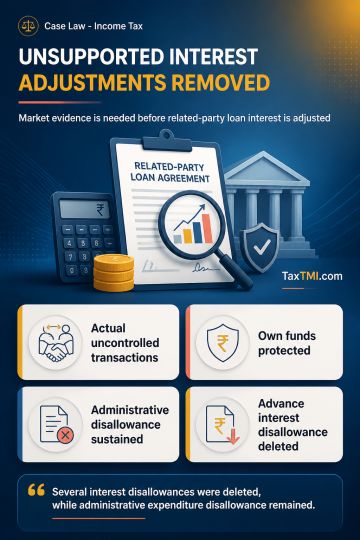
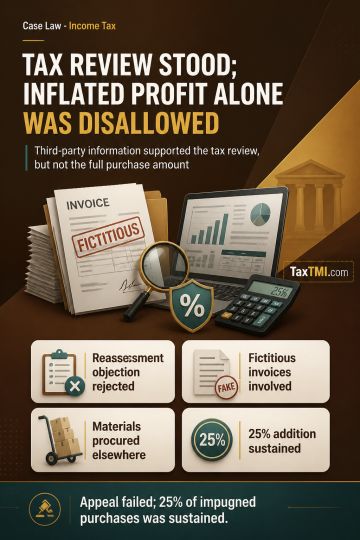
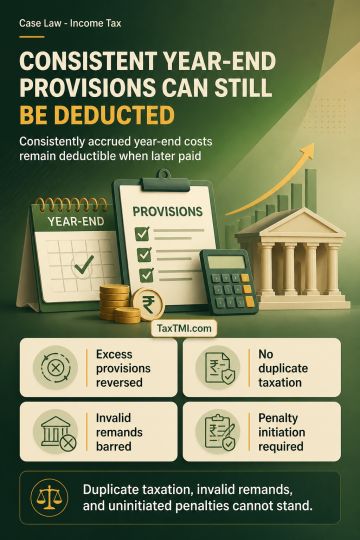
Contingency expenses, exempt-income disallowance, and royalty benchmarking: unsupported adjustments were deleted under consistent accounting and trans...
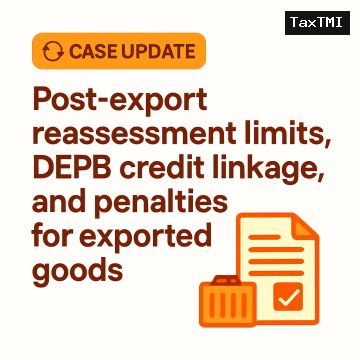
After export and assessment of shipping bills, reassessment is unavailable except through recognised legal modes such as appeal, finalisation of provisional assessment, exporter-requested amendment, or correction of clerical error; the declared value and description in already exported goods cannot be reopened. The note further states that DEPB credit is linked to FOB value and transaction value, so customs redetermination of assessable value does not justify denial of DEPB benefit or recovery of duty through used scrips. It also explains that goods already exported fall outside confiscation powers for export goods, and that penalties fail when the underlying duty demand is unsustainable or when false declaration is not established.
After export and assessment of shipping bills, reassessment is unavailable except through recognised legal modes such as appeal, finalisation of provisional assessment, exporter-requested amendment, or correction of clerical error; the declared value and description in already exported goods cannot be reopened. The note further states that DEPB credit is linked to FOB value and transaction value, so customs redetermination of assessable value does not justify denial of DEPB benefit or recovery of duty through used scrips. It also explains that goods already exported fall outside confiscation powers for export goods, and that penalties fail when the underlying duty demand is unsustainable or when false declaration is not established.
Note: It is a system-generated summary and is for quick reference only.
 TaxTMI
  TaxTMI
 of 4918