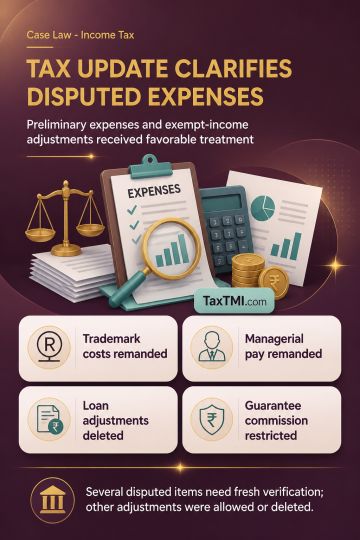
Preliminary-expense amortisation and MAT exempt-income adjustments prevailed, while trademark costs and managerial remuneration require fresh verifica...
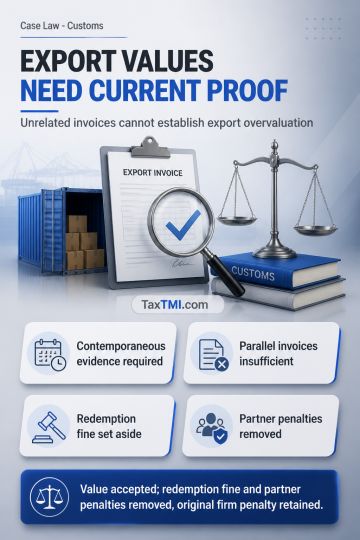
Export valuation requires contemporaneous evidence; unrelated invoices cannot prove overvaluation, and dual penalties on firm and partner are impermis...
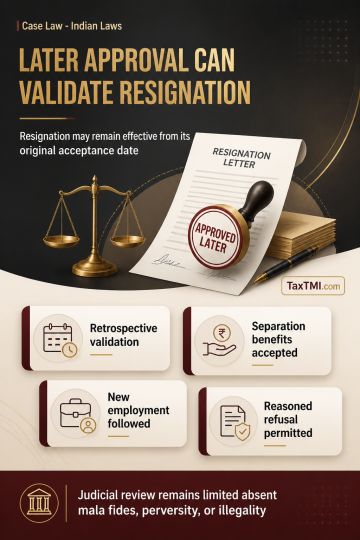
Ratification of resignation acceptance validates separation retrospectively, while withdrawal may be refused through reasoned administrative discretio...
Nature-dependent electricity contracts receive new Ind AS accounting, hedge designation, transition and financial-statement disclosure requirements fr...
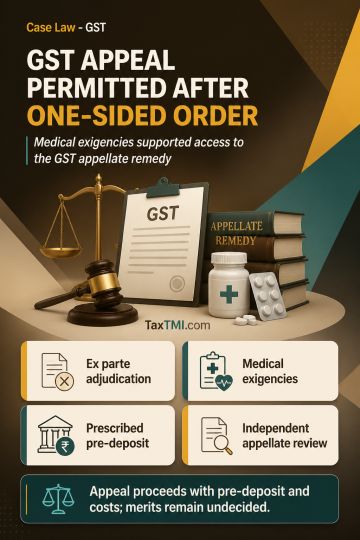
Alternative GST remedy permitted protective writ intervention for ex parte adjudication, preserving independent appellate review of input tax credit d...
After export and assessment of shipping bills, reassessment is unavailable except through recognised legal modes such as appeal, finalisation of provisional assessment, exporter-requested amendment, or correction of clerical error; the declared value and description in already exported goods cannot be reopened. The note further states that DEPB credit is linked to FOB value and transaction value, so customs redetermination of assessable value does not justify denial of DEPB benefit or recovery of duty through used scrips. It also explains that goods already exported fall outside confiscation powers for export goods, and that penalties fail when the underlying duty demand is unsustainable or when false declaration is not established.
After export and assessment of shipping bills, reassessment is unavailable except through recognised legal modes such as appeal, finalisation of provisional assessment, exporter-requested amendment, or correction of clerical error; the declared value and description in already exported goods cannot be reopened. The note further states that DEPB credit is linked to FOB value and transaction value, so customs redetermination of assessable value does not justify denial of DEPB benefit or recovery of duty through used scrips. It also explains that goods already exported fall outside confiscation powers for export goods, and that penalties fail when the underlying duty demand is unsustainable or when false declaration is not established.
Note: It is a system-generated summary and is for quick reference only.
 TaxTMI
 of 4803














 Join Channel


 TaxTMI