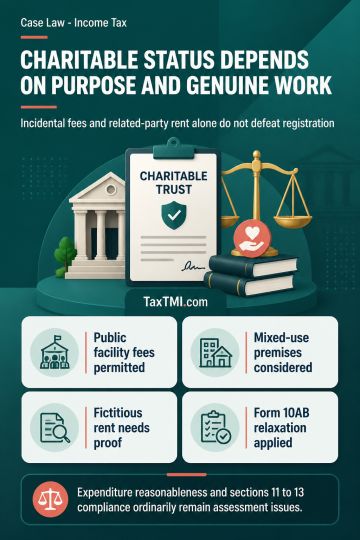
Charitable registration turns on predominant purpose and genuine activities, while incidental fees and related-party rent require supporting adverse m...
MAT book-profit adjustments exclude disallowances for exempt-income expenditure and demerger expenditure unless expressly listed under the statutory c...
Section 32A of the Insolvency and Bankruptcy Code protected the corporate debtor from prosecution for offences committed before commencement of CIRP once the resolution plan was approved and management passed to a new, unconnected dispensation. The alleged environmental contraventions were attributed to the erstwhile management, so continuation of the criminal case against the corporate debtor was contrary to the clean slate objective and legally unsustainable. The Court also noted that offences under Section 15 of the Environment (Protection) Act had been decriminalised by the Jan Vishwas (Amendment of Provisions) Act, 2023, replacing imprisonment with civil penalty, and held that this subsequent beneficial change furnished an additional ground to terminate the prosecution.
Section 32A of the Insolvency and Bankruptcy Code protected the corporate debtor from prosecution for offences committed before commencement of CIRP once the resolution plan was approved and management passed to a new, unconnected dispensation. The alleged environmental contraventions were attributed to the erstwhile management, so continuation of the criminal case against the corporate debtor was contrary to the clean slate objective and legally unsustainable. The Court also noted that offences under Section 15 of the Environment (Protection) Act had been decriminalised by the Jan Vishwas (Amendment of Provisions) Act, 2023, replacing imprisonment with civil penalty, and held that this subsequent beneficial change furnished an additional ground to terminate the prosecution.
Note: It is a system-generated summary and is for quick reference only.
 TaxTMI
 of 4805












 Join Channel



 TaxTMI
