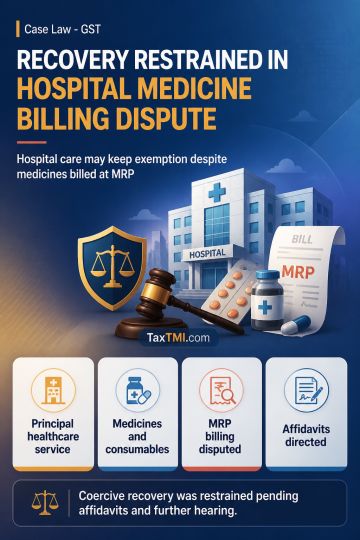
Composite inpatient healthcare supply may retain exemption despite MRP medicine billing, while separate taxable sale characterisation remains disputed...
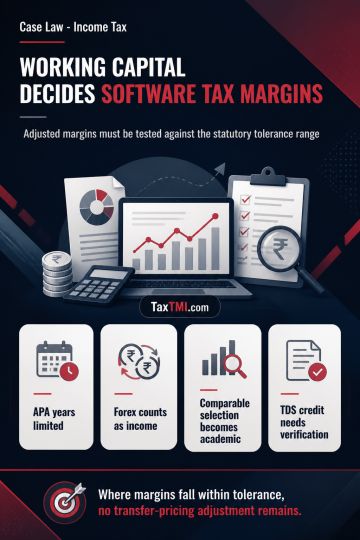
Working-capital adjustment determines whether software-services transfer-pricing margins fall within the statutory tolerance range, eliminating any ad...
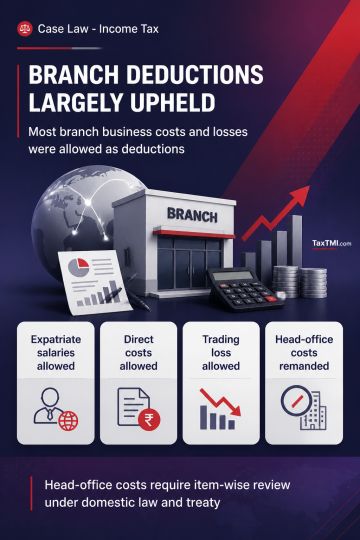
Permanent establishment deductions upheld for expatriate salaries, direct costs and trading losses, while head-office costs require fresh classificati...
Section 117 of the Customs Act is a residual penal provision and can be invoked only where no express penalty exists for the same contravention. For a Customs Broker governed by the Customs Broker Licensing Regulations, 2018, the Tribunal held that the Regulations themselves provided the penal framework, so Section 117 could not be used for the alleged due diligence breach. It also found no evidence linking the broker to fraudulent export activity, and the penalty had been imposed only for an alleged regulatory breach. On that basis, the Section 117 penalty was set aside.
Section 117 of the Customs Act is a residual penal provision and can be invoked only where no express penalty exists for the same contravention. For a Customs Broker governed by the Customs Broker Licensing Regulations, 2018, the Tribunal held that the Regulations themselves provided the penal framework, so Section 117 could not be used for the alleged due diligence breach. It also found no evidence linking the broker to fraudulent export activity, and the penalty had been imposed only for an alleged regulatory breach. On that basis, the Section 117 penalty was set aside.
Note: It is a system-generated summary and is for quick reference only.
 TaxTMI
 of 4792







 Join Channel



 TaxTMI